IASBS Centers and Labs
Department of Earth Sciences
Earth Department

Labs and Instrumental Facilities:

1. Geophysical Instrument Pool
2. Hydrochemistry Lab
3. Petrography Lab
4. Rock Sample Preparation Lab
5. Dating Preparation Lab
6. Surveying and Geodesy Lab
7. Sedimentology Lab
8. Geo-spatial Information and Optical Image Processing Lab


1)Geophysical Instrument Pool

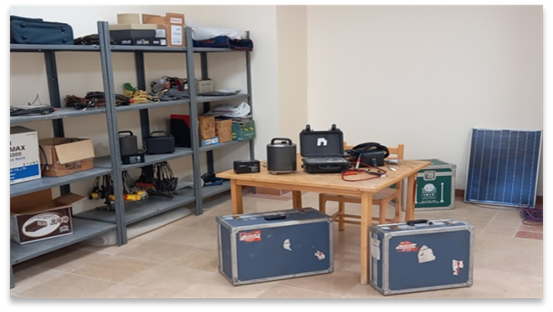
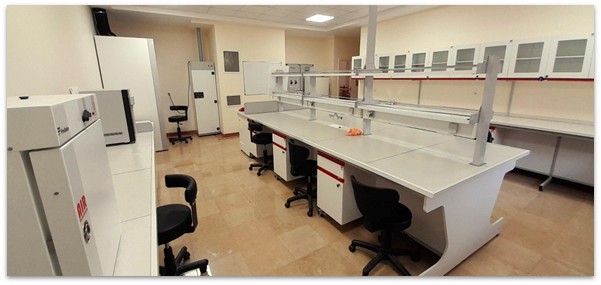
A number of hardware and software facilities are at the service of the educational and research activities of the Department. The Department is equipped with the following geophysical instruments:
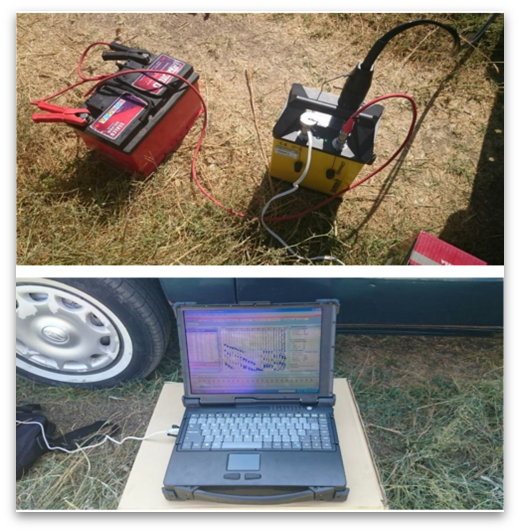
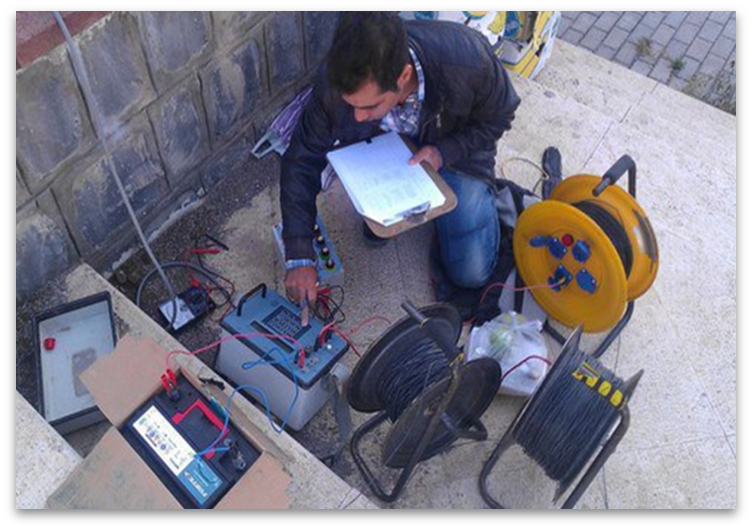
  • 11 medium and broadband Guralp seismometers
  • 2 short-period seismometers
  • 2 SYNTREX-ENVI proton magnetometers
  • 2 GEM GSM-19 magnetometers with gradiometer
  • 1 SYSCAL-R1 resistivity metre and IP equipment
  • 1 DMT Summit II compact 24-channel seismic system with both P- and S-wave geophones
The seismometers are used to deploy temporary seismic networks for the study of the crust and mantle in the region of Iran, as well as for recording aftershocks of major earthquakes in different parts of the country. We have six geodetic GPS instruments for studying crustal deformation. The applied geophysics equipment is used for prospecting projects.
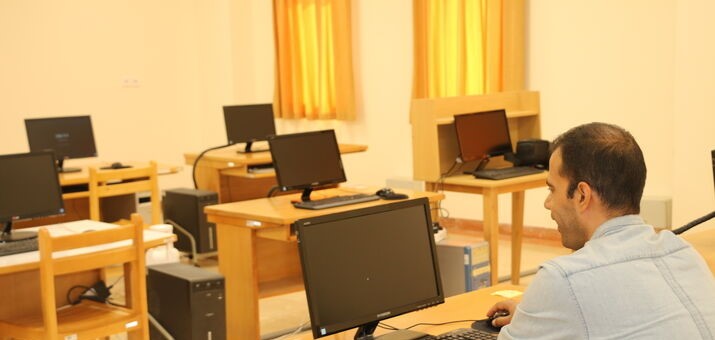
The geophysics group has a dedicated computational lab for geophysical data processing. The lab is used for educational and research purposes and is equipped with Linux machines and a pool of geophysical software, including SEISAN, Seismic Handler, Seismic Unix, SAC, GMT, GIS databases and data processors, the potential fields data processing package Geosoft, and various Fortran codes for simulating fluid dynamical problems.
The geophysics group has full access to the main computer network of IASBS, which serves over 300 Linux and Windows clients through an integrated LAN. Two clusters of serial and parallel machines (with 16 and 32 nodes, respectively) support the computational needs of IASBS faculty and students.
For more information, contact Dr Abdolreza Ghods at: aghods@iasbs.ac.ir;(+98) 24 3315-3784.


2)Hydrochemistry Lab

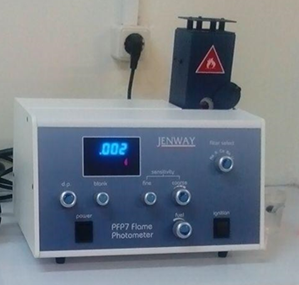
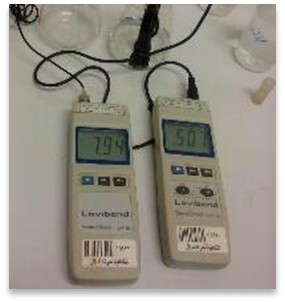
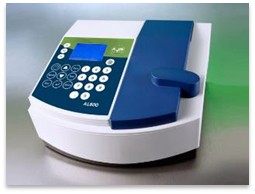
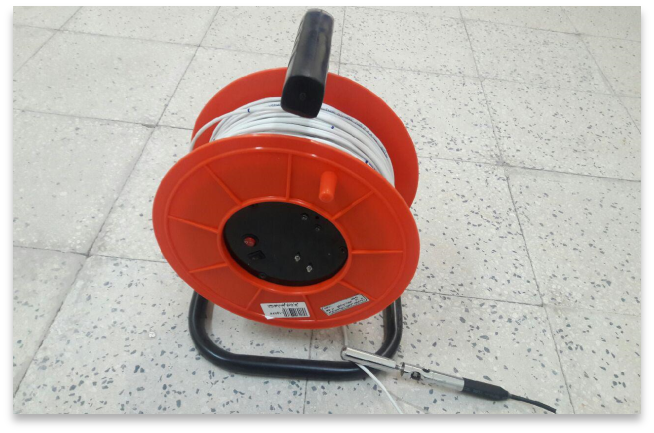
The Hydrochemistry Laboratory houses the following instruments: a PFP7 flame photometer (Jenway Company, UK), an AL800 spectrophotometer (Aqualytic Company, Germany), a digital titrator (Hirschmann Solarus, Germany), SensoDirect pH110, SensoDirect Con110, and SensoDirect Salt110 (Lovibond Company), and a Water Level Sounder(model SLDI-150, Simab Company). These instruments are used for the analysis of physicochemical parameters, as well as for measuring water level depth at monitoring wells and flow rates from springs and rivers. The laboratory is available for training courses, internal projects, and collaborative research.
For more information, contact Dr Abolfazl Rezaei at: (+98) 24 3315-3779.
Equipment Available at the Hydrochemistry Lab
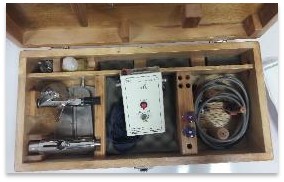
  • Flame photometer
  • Spectrophotometer
  • Digital titrator
  • Moline
  • SensoDirect Con110
  • SensoDirect pH110
  • Salinity metre
  • Double ring
  • Water level sounder


3)Petrography Lab

The Petrography Laboratory provides services for the microscopic investigation of rock thin sections and polished samples. Biological, mineralogical, and textural characteristics of thin sections and polished sections can be analysed using established techniques and standards. The laboratory is equipped with:
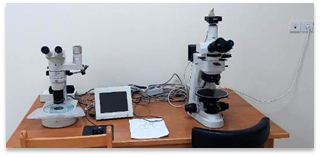
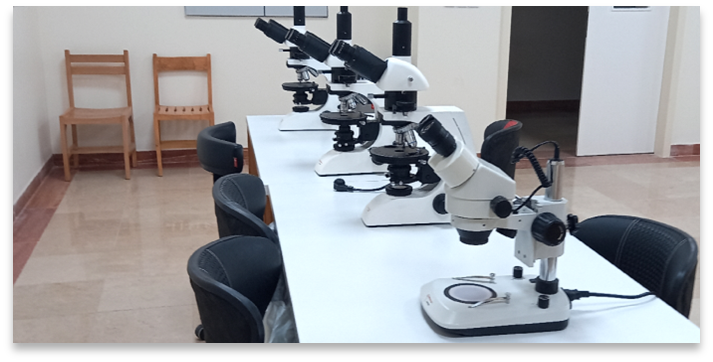
  • 2 binocular microscopes
  • 6 polarisation microscopes
  • 1 reflection microscope
Facilities are also available for capturing microphotographs of thin sections, and for mechanical counting using point counters.
Petrography Laboratory Microscopes
  • GX transmission polarising light microscope
  • Binocular or binocular GX optical microscope
  • Nikon polarising transmission–reflection microscope with Nikon binocular optical head


4)Rock Sample Preparation Lab

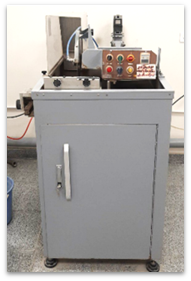
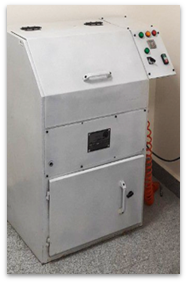
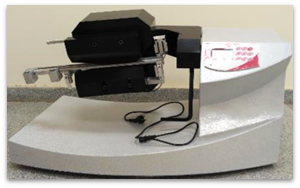
The Rock Sample Preparation Laboratory has facilities for a range of sample impregnation, cutting, grinding, and polishing services on geological samples collected in the field or during routine core analysis (RCAL), for the preparation of thin and polished sections intended for petrographic studies in academic or industrial research.
The laboratory furthermore offers the following services:
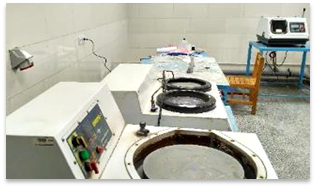
  • Defragmentation of materials (crushing, milling, sieving, etc.)
  • Density separation by heavy liquids
  • Frantz-model electromagnetic separation
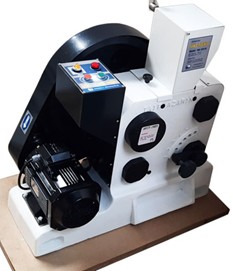
Equipment Available in the Rock Sample Preparation Lab
  • Large cutting machine
  • Small cutting machine
  • Disk grinder and plane
  • Single-axis polishing machine
  • Two-axis sawing and polishing machine
  • Transmission microscope
  • Softening machine
  • Crushing machine
  • Shaker machine
  • Magnetic separation device


5)Dating Preparation Lab

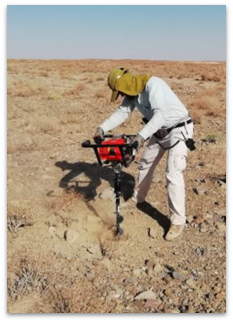
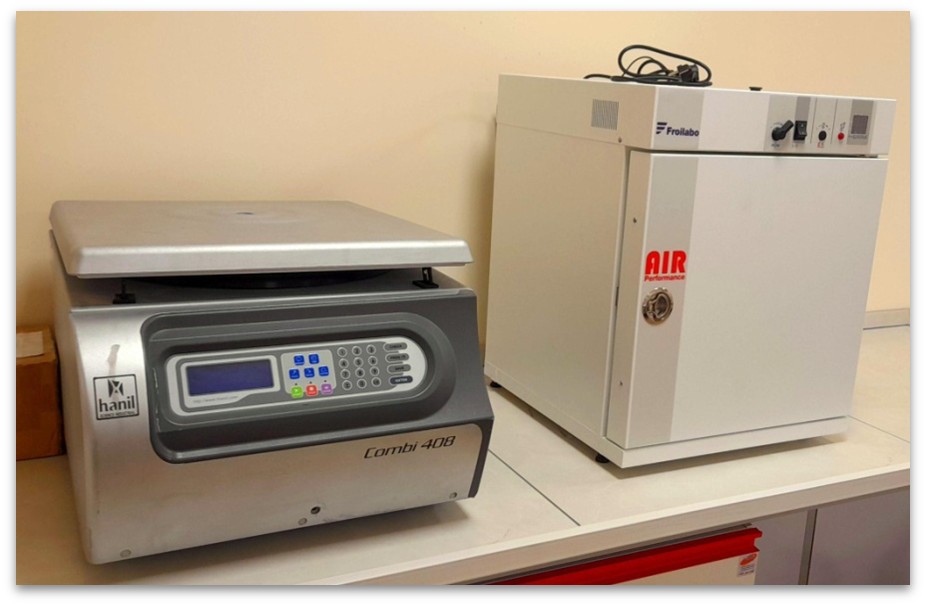
The Cosmic Ray Exposure Dating and Heavy Metal Separation Laboratory (CRHM) is equipped for the chemical preparation of rock samples for radiometric dating processes, including the preparation of ³⁶Cl targets for Cosmic Ray Exposure (CRE) dating and heavy metal separation (HMS) for U–Pb zircon geochronology.
Contacts:
CRE Dating sector: Dr Esmaeil Shabanian – shabanian@iasbs.ac.ir, +98 24 3315 3786
Part 1: Cosmic Ray Exposure Dating
  • Cosmic Ray EExposure dating (also known as cosmogenic dating) is based on the accumulation of certain terrestrial in situ cosmogenic nuclides in surface materials exposed to cosmic radiation. The time-dependent concentration of in situ-produced ¹⁰Be, ²⁶Al, and ³⁶Cl cosmogenic nuclides in rocks is used to determine the rates of tectonic activity and erosion during the Late Pleistocene and Holocene, as well as the history of glaciation, clast transport, and deposition.
Part 2: Heavy Metal Separation and ³⁶Cl Preparation
  • Our CRHM lab contains two overlapping sectors of heavy metal separation and 36Cl CRE dating equipped for performing physical and chemical separations of the target mineral or chemical composition from rock samples.


6)Surveying and Geodesy Lab

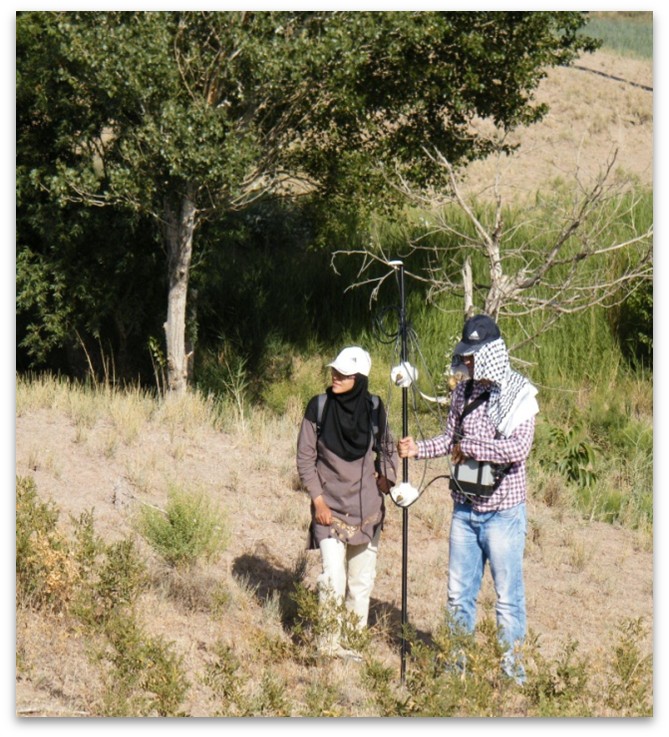
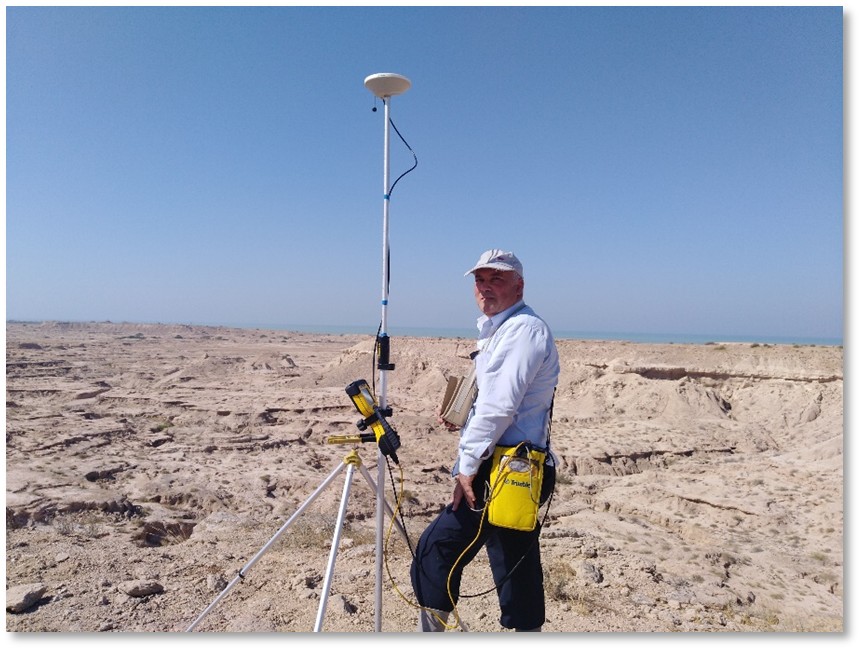
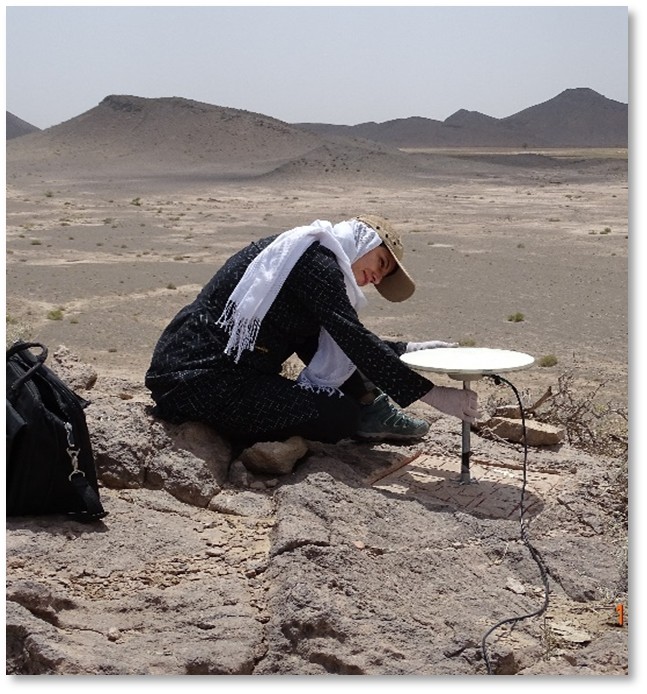
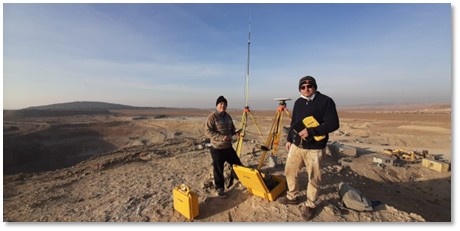
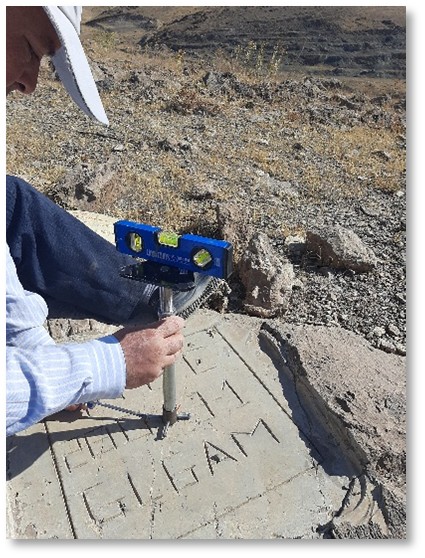
Satellite positioning is the main activity of this laboratory, which is equipped with GPS receivers of different precisions:
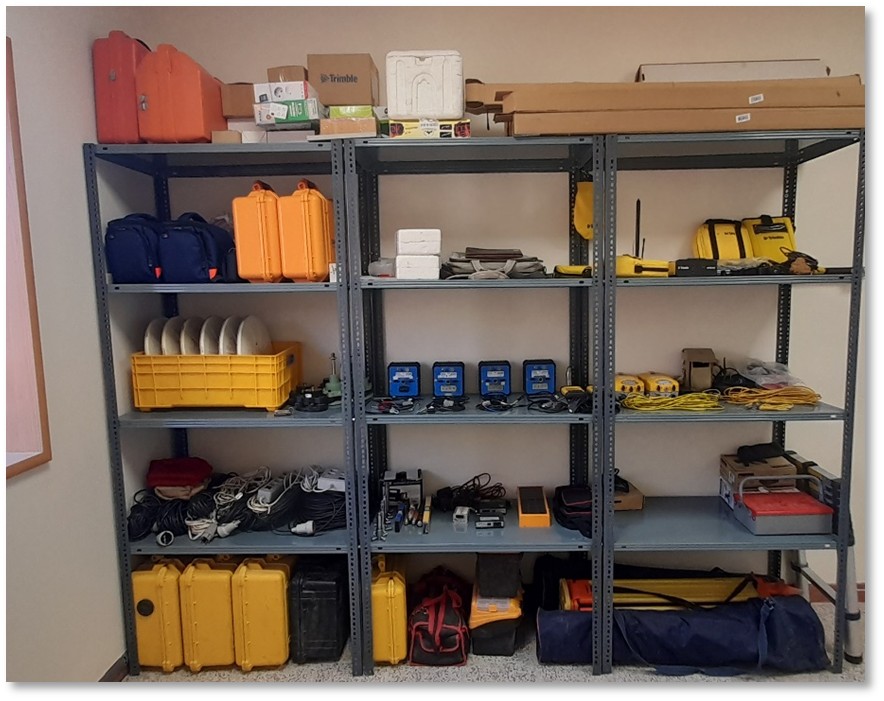
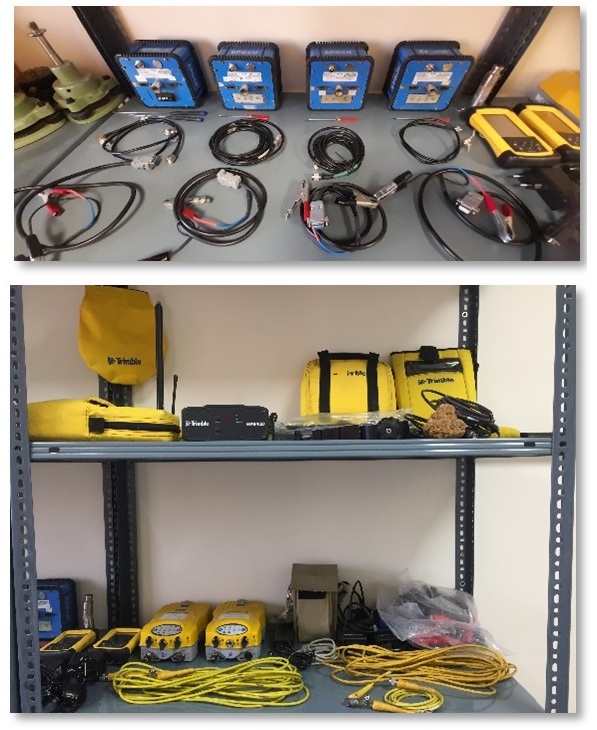
  • For geodetic standards of millimetre precision, 3 Trimble 5700II receivers as well as 2 Spectra Precision Epoch25 precise receivers are used. All receivers have Zephyr geodetic antennae to prevent the multipath effect. These instruments are used for the measurement of deformation caused by tectonic activity, landslide monitoring, and precise geodetic networking.
  • For centimetre-precision positioning tasks, the laboratory is equipped with Real-Time Kinematic (RTK) Trimble receivers as well as Raymand receivers. They are used for routine surveying projects.
  • For Network RTK (NRTK) positioning with systems such as the Iranian SHAMIM, 2 Raymand receivers are used. This kind of positioning, which can achieve centimetre-level accuracy, is mainly used in and around urban areas, where the SHAMIM base stations broadcast the corrections through wireless communication networks.


7)Sedimentology Lab

At the sedimentology laboratory, the areas of activity include:
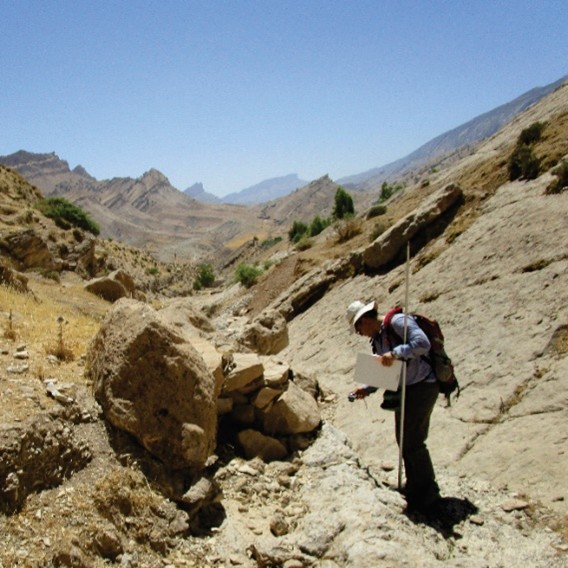
  • Grain size analysis of sediments and plotting cumulative, bell-shaped, and histogram curves
  • Separation of heavy minerals from very fine sand using bromoform
  • Separation of heavy minerals from very fine sand using bromoform
  • Determination of calcium carbonate content in fine-grained sandy sediments
  • Examination of roundness and sphericity of sand particles
  • Grain size analysis of clay sediments
  • Determination of organic matter content in clay sediments
  • Determination of pH in clay sediments
  • Determination of Eh in clay sediments
  • Separation of clay particles (less than 2 mm)
  • Preparation of clay sediments for making clay plaques
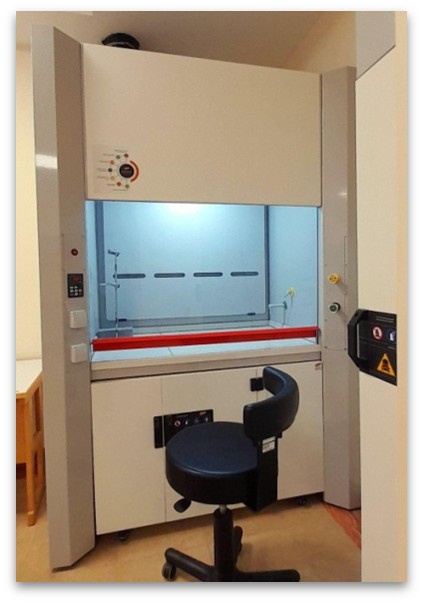
In line with the above activities, the Sedimentology Laboratory’s equipment includes: oven, electric sieve shaker, heater, high-precision digital scale, Bernard calcimeter, calliper, hydrometer, stopwatch, laboratory hood, glass laboratory equipment (beakers, graduated cylinders, Erlenmeyer flasks, round-bottom flasks, pipettes, test tubes, separatory funnels, and regular funnels), porcelain and agate mortars, standard sieve set with various mesh sizes, and chemicals.


8)Geo-spatial Information and Optical Image Processing Laboratory

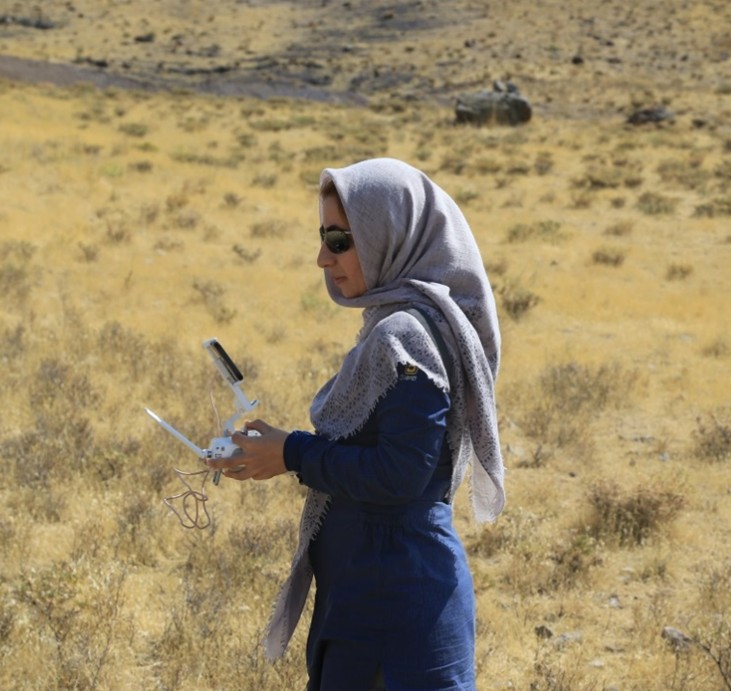
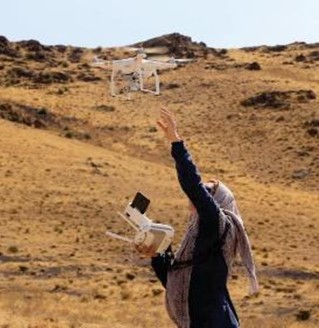
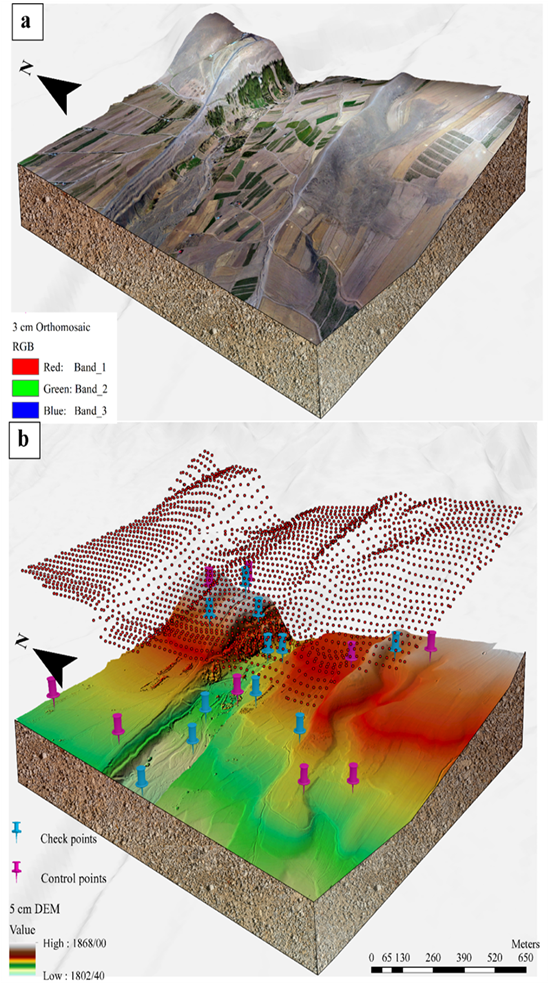
The hardware and facilities available in the Geo-spatial Laboratory include a high-performance processor computer and a Phantom 4 Pro V2 UAV. The camera resolution of this device for aerial photography is about 20 megapixels, which is highly accurate for tectonic studies. The camera can record professional images in 4K quality at 60 frames per second. Image and video processing is fast, and the camera is equipped with a powerful lens with a bit rate of 100 Mbps. The lens has an aperture of f/2.8, which allows more light to enter the back of the lens, resulting in high-clarity images. The processor computer follows Metashape recommendations and is equipped with approximately 100 GB of RAM, a 9-core CPU, and a GTX 1080 graphics card with 11 GB of memory, which enables the processing of images captured by UAVs. The laboratory’s hardware can be used to produce UAV-based maps for large-scale tectonic purposes.
The UAV and associated facilities in the Geo-spatial Information and Optical Image Processing Laboratory provide the capability for UAV-based mapping in industrial, mining, and other applications.
Moreover, the processor computer is also used for spatial information processing tasks, especially for artificial intelligence computations in the Geo-spatial Information System (GIS). Proposed algorithms in the field of artificial intelligence typically require high-performance computing systems to operate.
Contact: Dr Zohreh Masoumi at: z.masoumi@iasbs.ac.ir, (+98) 24 3315 3819.
Developed by the IASBS Computer Centre