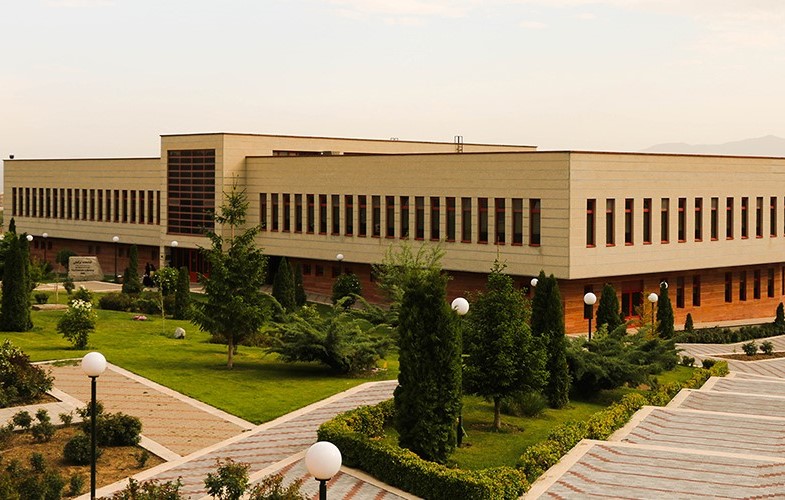
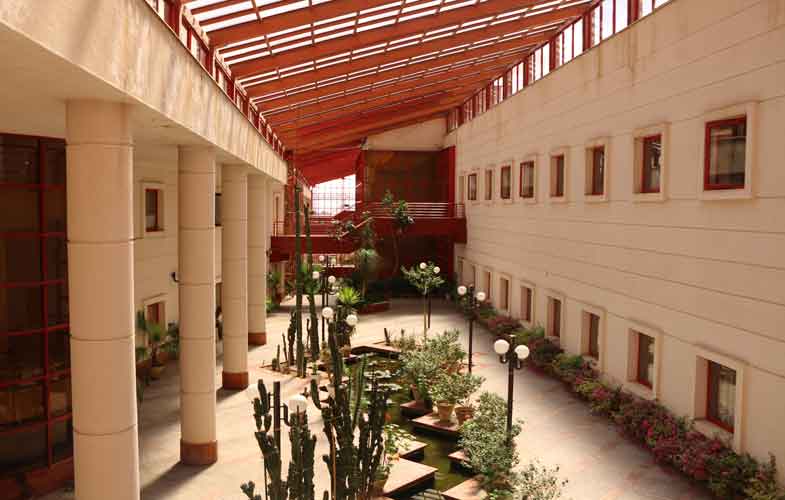
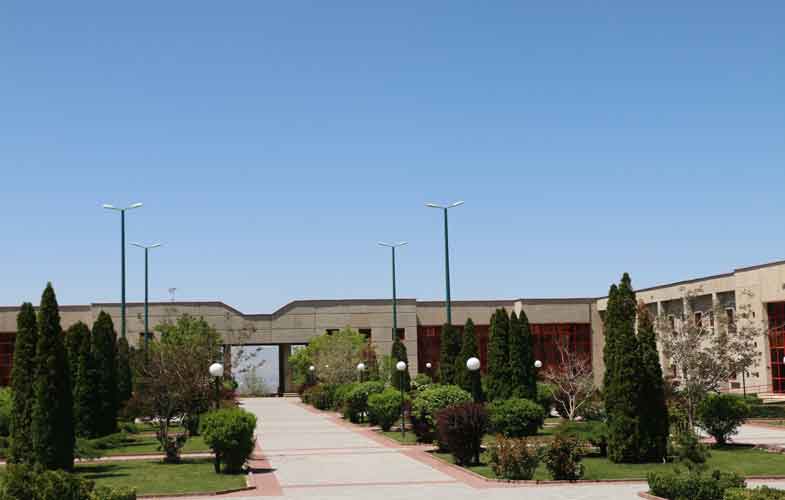
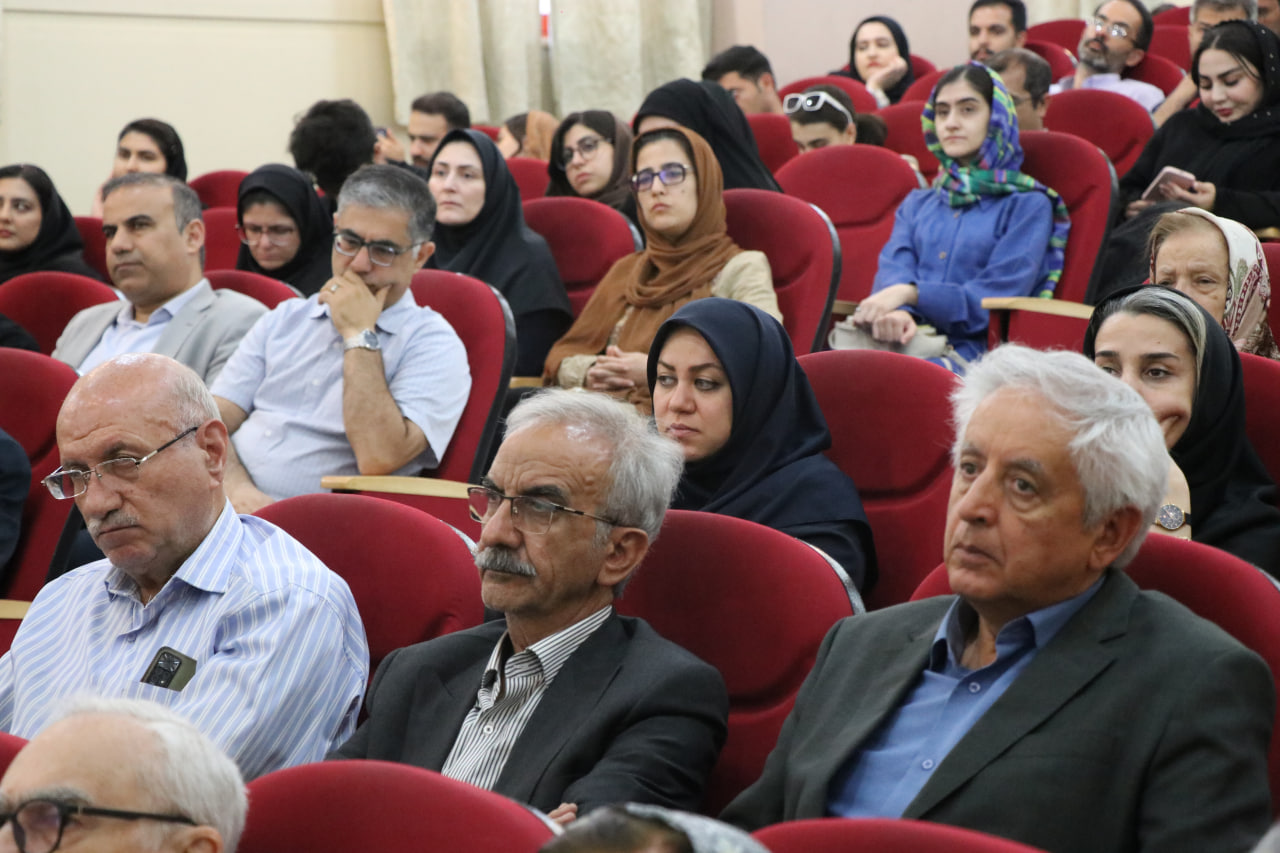
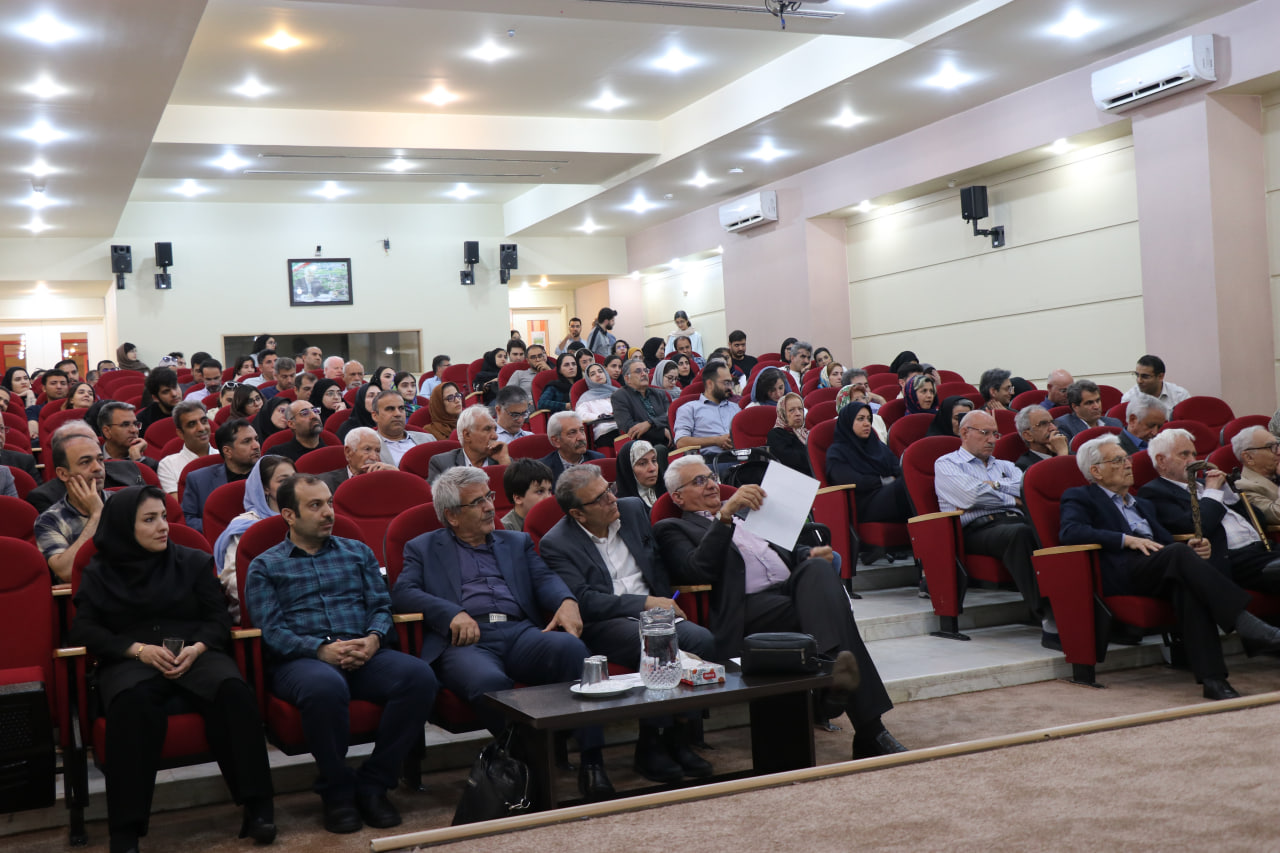
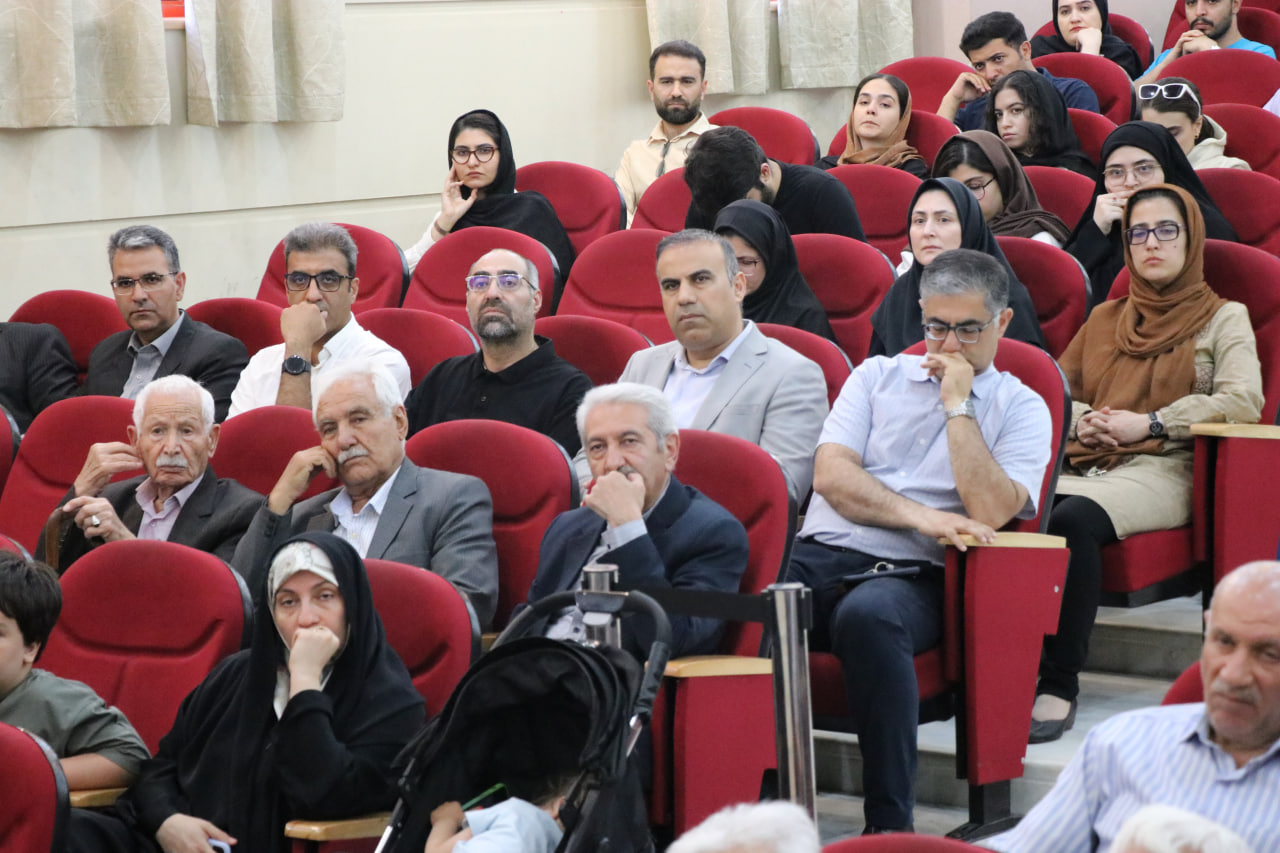
The award ceremony for the ninth round of the Sobouti-Khajehpour Award and the unveiling of the book Sobouti’s Speech have been held at the Institute for Advanced Studies in Basic Sciences (IASBS), with a group of university lectures, researchers, students, university managers, and national scientific figures in attendance.
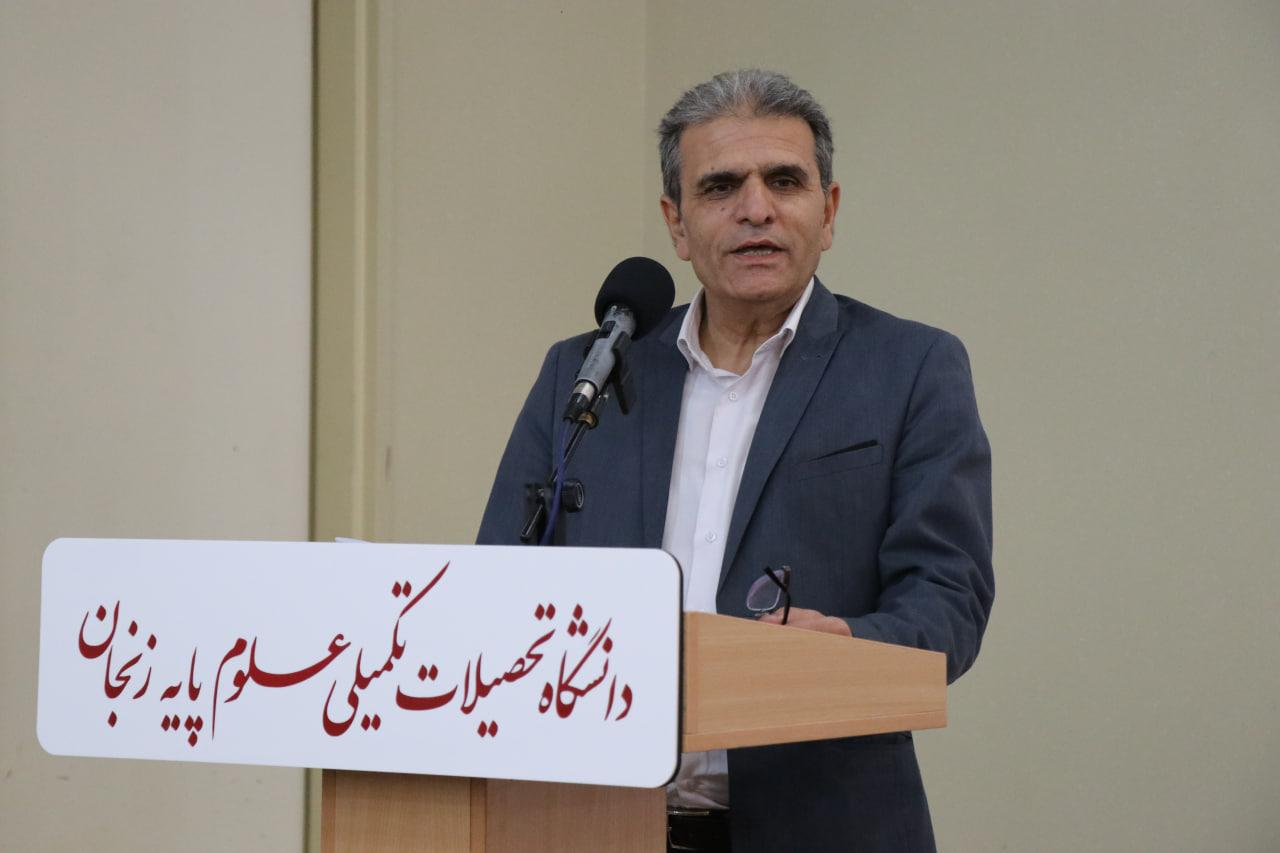
At the beginning of the ceremony the Vice President for Administration, Finance, Education, and Research, Prof Rashid Zaare-Nahandi, welcomed the guests and expressed gratitude for their presence. He outlined the history of the establishment of the Sobouti-Khajehpour Award, stating: “This award was founded in honour of the valuable services of Prof Yousef Sobouti and Prof Mohammad Reza Khajehpour, with the aim of promoting high-quality research and supporting young researchers under the age of 40.” Emphasising that the award is granted based on scientific indicators and research quality, he added: “The philosophy behind this award is to pay attention to the depth, impact, and quality of research in the field of basic sciences.”
Subsequently, the IASBS President, Prof Sadollah Nasiri Gheydari, offered condolences for the mourning month of Muharram and congratulated the winners of this round. He described the Sobouti-Khajehpour Award as a symbol of the university’s innovation in the fields of education, research, and the definition of specialised centres.
Noting that the research selected for this round - in areas such as “From energy production to pollution control: the role of Metal-Organic Frameworks (MOFs) in a sustainable future,” “The crisis of antibiotic resistance in bacteria and emerging challenges in Iran,” and “Safety and capability of machine learning systems” - demonstrates the high capacity of basic sciences to solve the country’s problems, he stated: “Universities must actively seek to solve societal and industrial problems instead of waiting for industry to approach them.”
The IASBS President emphasised that basic sciences, in addition to their theoretical standing, must play a role in solving current societal problems. He added: “Artificial intelligence and modern technologies can play an important role in various fields, including the environment, health, and industry.” He also identified social responsibility as one of the main indicators for evaluating universities, noting that the IASBS is taking effective steps towards solving challenges such as the water crisis, industrial pollution, and productivity enhancement by developing specialised centres and utilising innovative approaches.
Then, Prof Mohammad Reza Khajehpour pointed out, in his remarks, the importance of supporting young researchers, stating: “The efforts made in thinking and research are valuable and impactful for the society.” While congratulating the winners, he expressed hope that this award would lay the groundwork for the growth of young talents and the strengthening of scientific culture in the country.
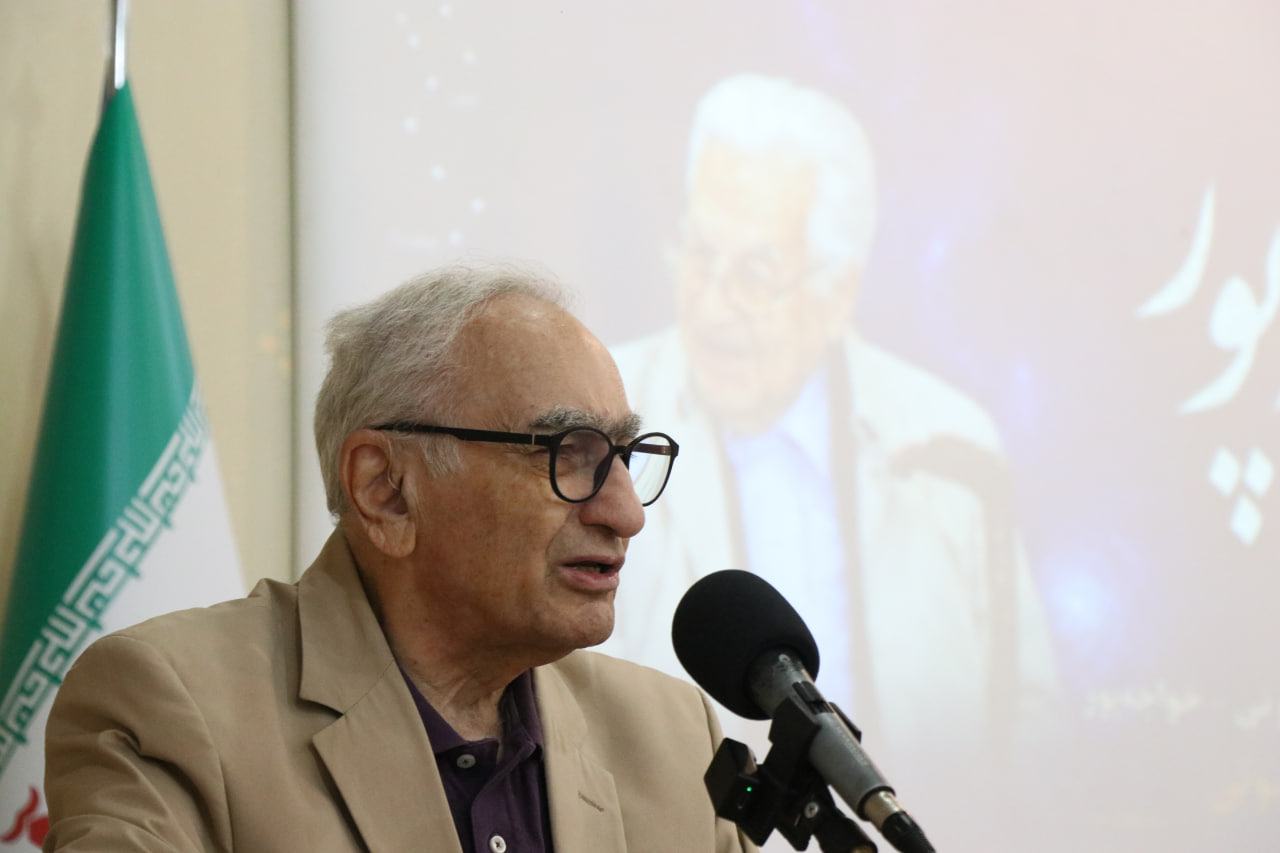
Following this, Prof Yousef Sobouti, the founder of the university, reviewed part of the history of the establishment and developments of higher education in the country. Referring to the conditions of universities after the revolution and during the imposed war, he said that at that time, some universities faced serious management and structural problems, and there was insufficient focus on the core mission of the university.
Emphasising that “the university is a place for learning and teaching,” he added: “In a university, all pillars from the lecturer and student to the employee must be in the service of education and research, and the main duty of the university is to facilitate this process.” Highlighting the necessity of reducing administrative bureaucracy in universities, Prof Sobouti noted: “One of the banes of the university system is the heavy administrative structure and the distancing from the primary mission of education and research.”
In conclusion, Prof Sobouti expressed appreciation for the support of various officials and institutions, stating: “Despite all the challenges and differences of opinion, the path taken for the development of this university is defensible and valuable.”
Prof Mohammad Reza Khajehpour, also emphasising the importance of scientific and research activities, described this event as a positive response to the efforts of young researchers and added: “Scientific gatherings are an opportunity to appreciate scientific efforts and create motivation in the young generation.”
In the final part of the ceremony, the head of the Sobouti-Khajehpour Award Board of Trustees, Dr Farhad Sobouti, explained the selection mechanism for the winners. He stated that the award is granted rotationally in six areas of basic sciences, including chemistry, physics, mathematics, earth sciences, life sciences, and computer science. He noted that the selection of winners is not based solely on the number of papers, but rather on the scientific impact and innovation of the researchers.
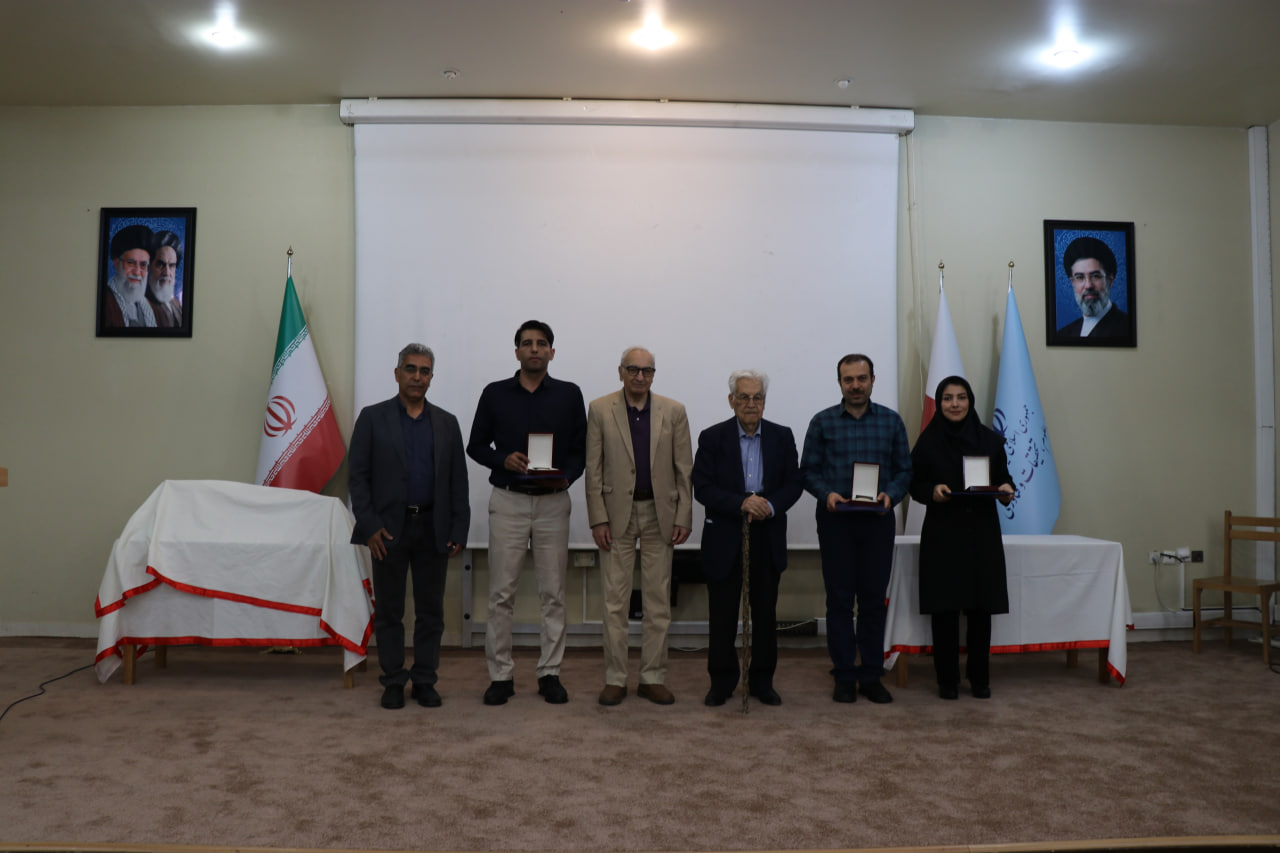
Subsequently, the winners of the ninth round presented reports on their scientific activities and were honoured with plaques of appreciation and trophies. In this round, Dr Reza Abaazari (University of Maragheh) in chemistry, Dr Mehri Haaili (University of Tabriz) in life sciences, and Dr Mohammad Hossein Rahbaan (Sharif University of Technology) in computer science were introduced as the winners.
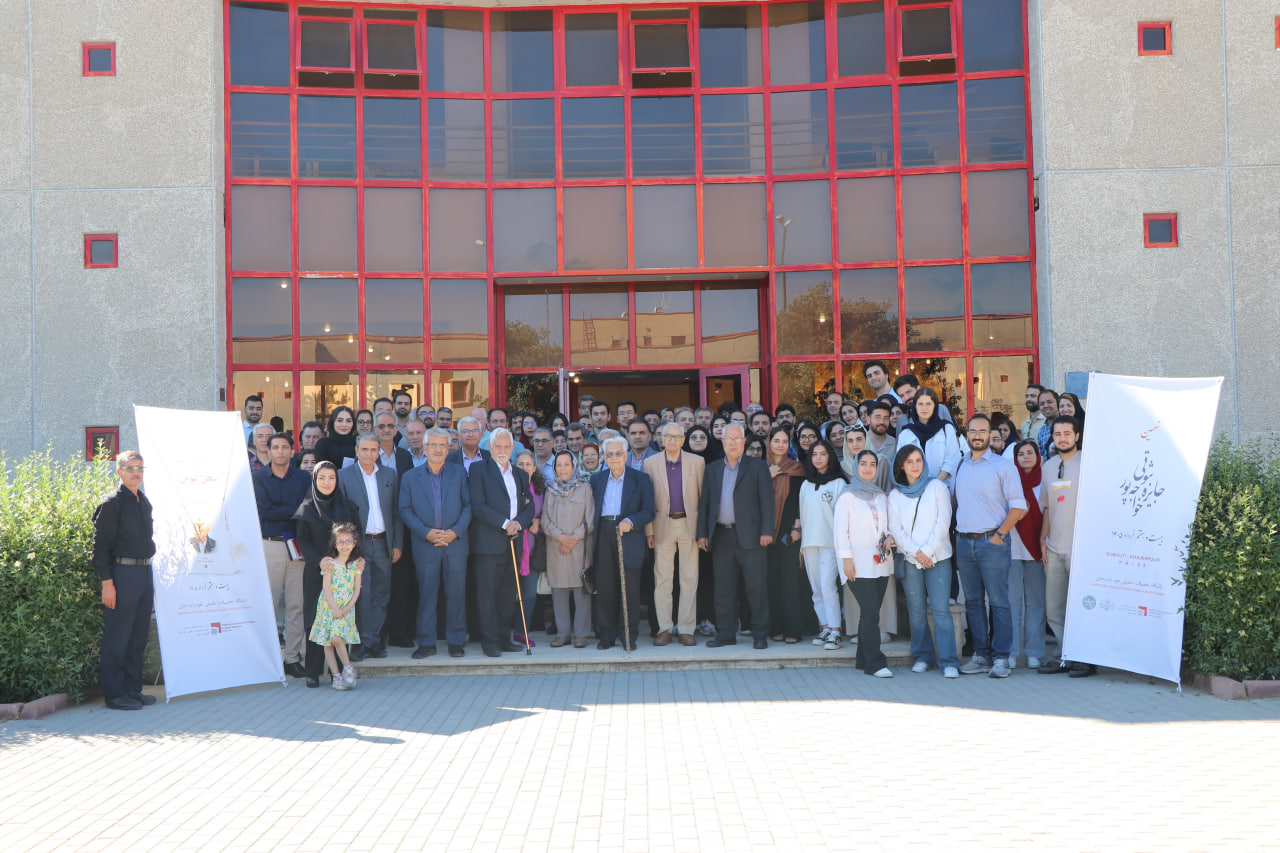
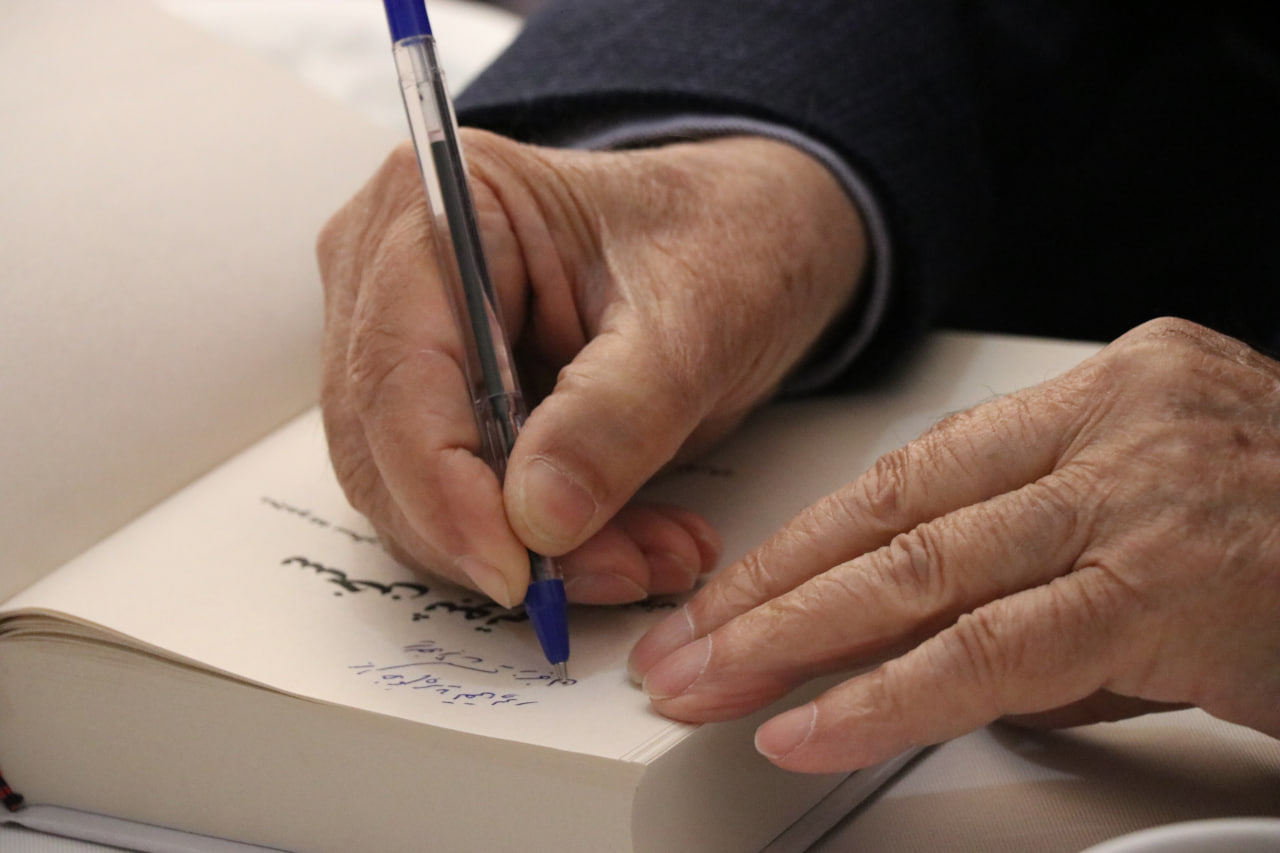
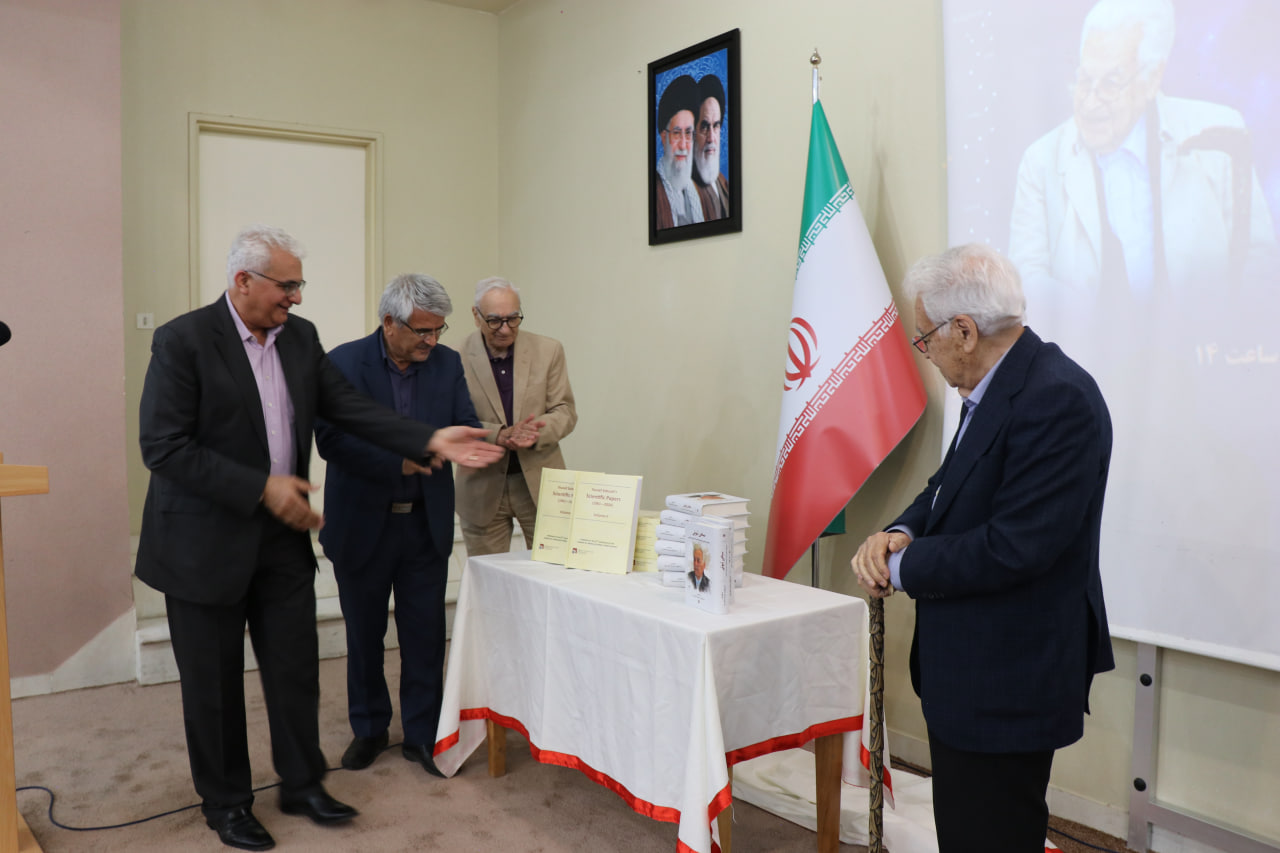
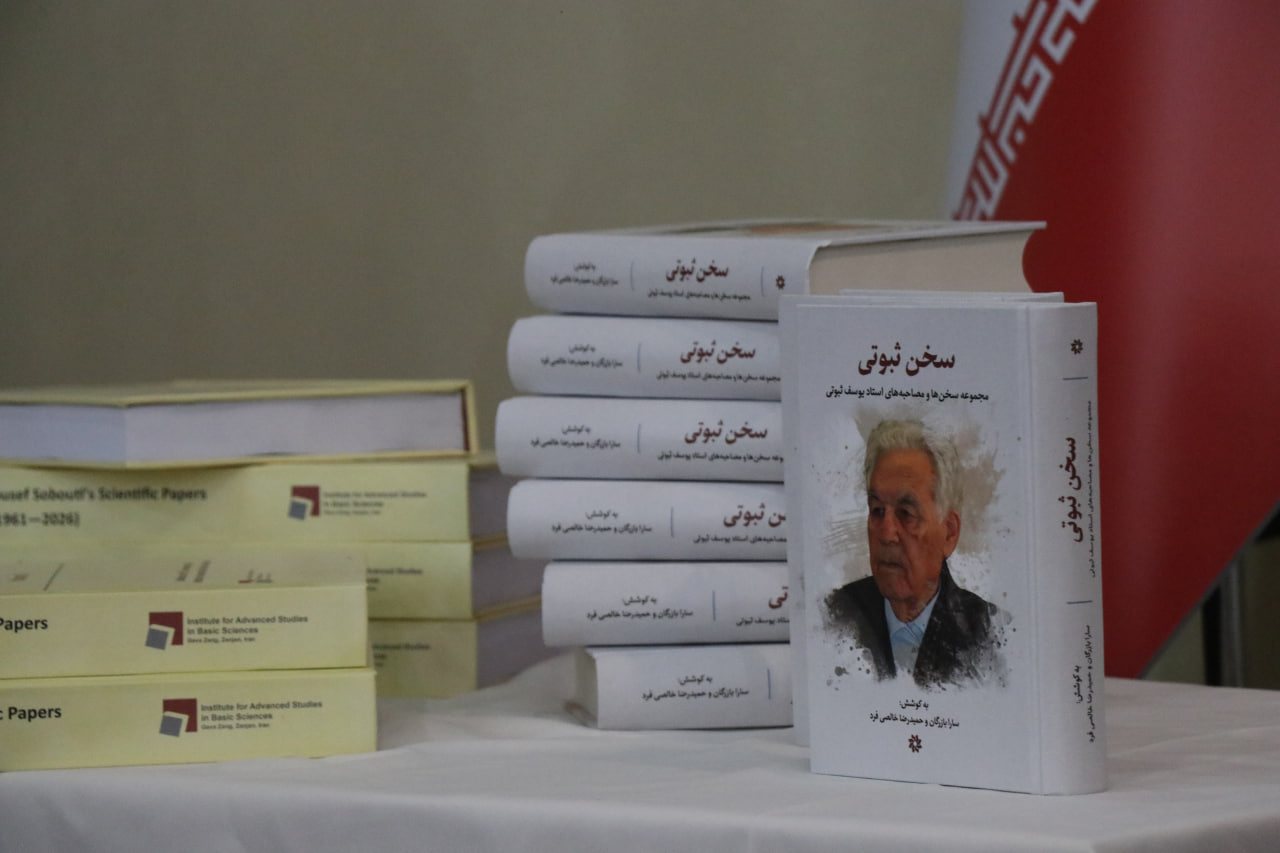
The final section of the ceremony was dedicated to the unveiling of the book Sobouti’s Speech, which contains a collection of viewpoints, speeches, and memoirs of Prof Yousef Sobouti. Dr Hamidreza Khalesifard introduced the book, and Dr Amir Houshang Mehryar, a former president of Shiraz University, described the IASBS as one of the country’s prominent scientific centres. The ceremony concluded with the unveiling of the book, its signing by Prof Yousef Sobouti, and a commemorative photo session with the guests.
Wed, 17 Jun 2026

Developed by the IASBS Computer Centre
IP Address:[216.73.217.122] Browser: Mozilla/5.0 AppleWebKit/537.36 (KHTML, like Gecko; compatible; ClaudeBot/1.0; +claudebot@anthropic.com)