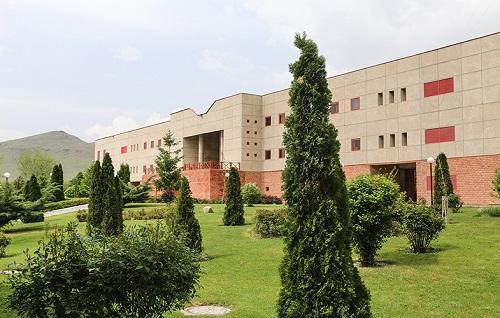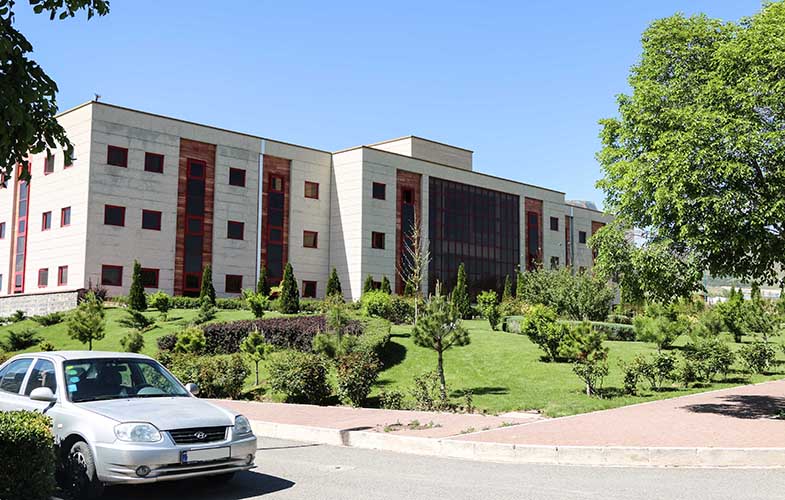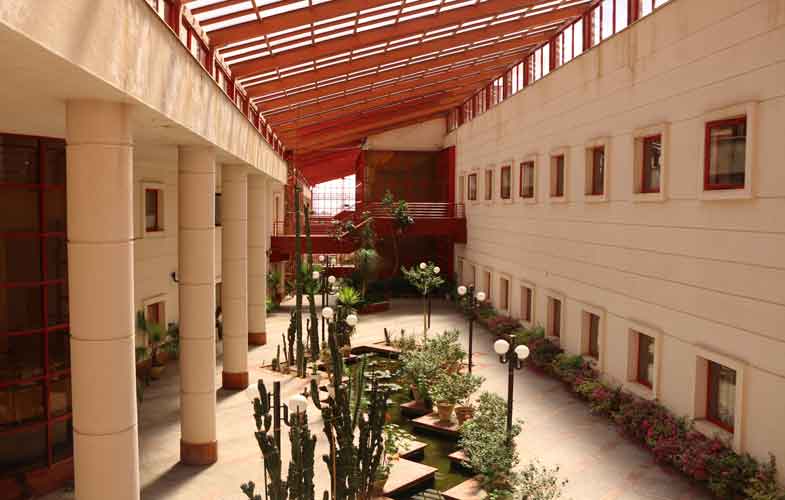
Torkaman Library was established in 1993. It contains a useful combination of specialized and general books, bilingual dictionaries, and specialized and general encyclopedias.
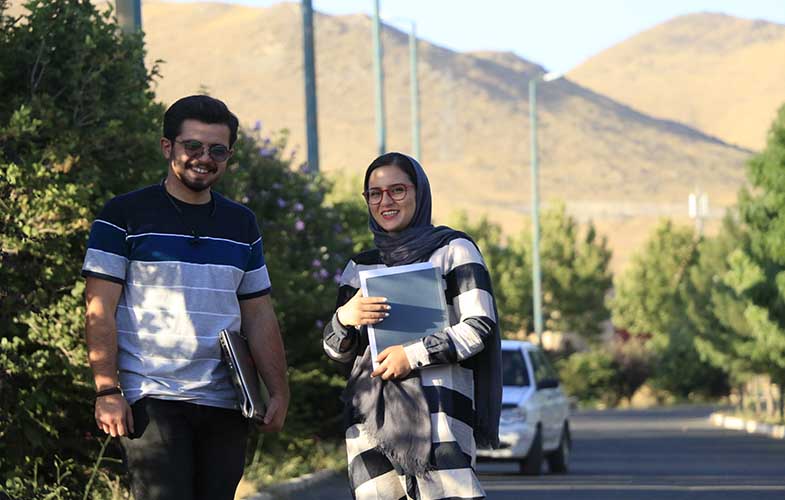
The Education Office comes under the Education and Research Department. Its main job is to manage the educational affairs of the students from registration to graduation.

Institute for Advanced Studies in Basic Sciences (IASBS)
444 Prof. Yousef Sobouti Blvd.,
Zanjan 45137-66731, Iran
Postal Code 45137-66731
F: +98 24 3315 5142
T: +98 24 3315 1000
Feild Of The University President
T: +98 24 3315 3888
E: publicrelations[at]iasbs.ac.ir
E: international[at]iasbs.ac.ir
Room: Mathematics Department,Department Of Administrative Affairs
T: +98 24 3315 5158
Institute for Advanced Studies in Basic Sciences (IASBS)
444 Prof. Yousef Sobouti Blvd.,
Zanjan 45137-66731, Iran
Postal Code 45137-66731
F: +98 24 3315 5142
T: +98 24 3315 1000
Room: 160 Physics Dept.
T: +98 24 3315 3888
E: publicrelations[at]iasbs.ac.ir
Room: 158 Mathematics Department
T: +98 24 3315 5158
E: iasbs_z[at]iasbs.ac.ir
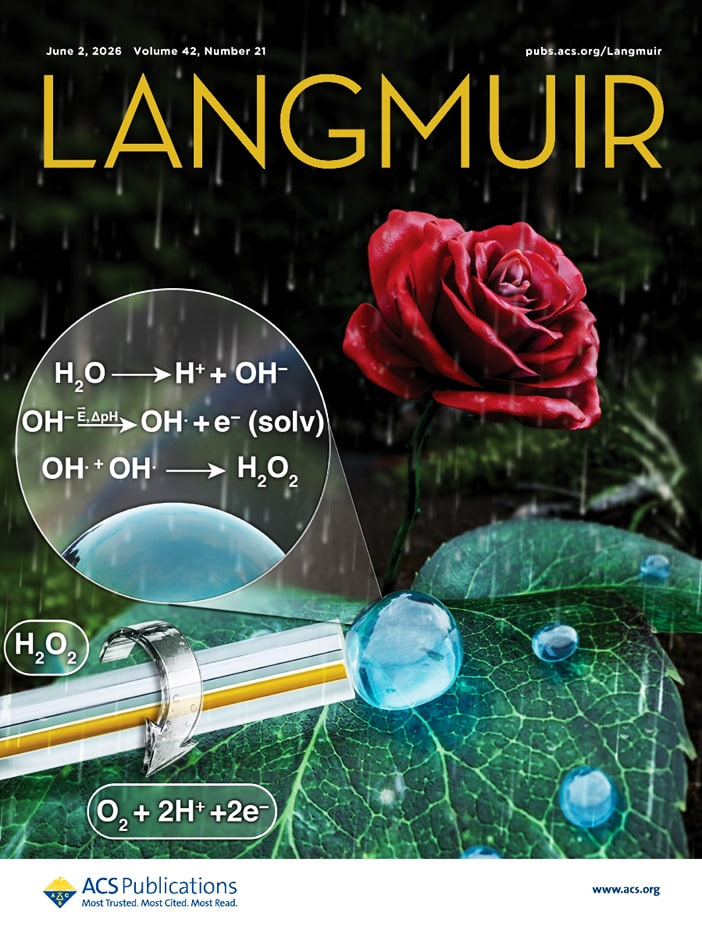
The research article titled “Single-Rain Droplet Amperometry Reveals Spontaneous and Regulated H2O2 Formation on Leaf Surfaces” from the research group of Dr Amir Hatamie in the Department of Chemistry, and Ms Shohreh Madani, a doctoral student, in collaboration with Professor Richard N. Zare of Stanford University in the United States of America, has been selected and published as the cover feature of the prestigious journal Langmuir, published by the American Chemical Society (ACS).
The findings of this research have raised new questions about the role of rainwater, its fine droplets, and self-cleaning surfaces in nature. In this study, using miniature amperometric sensors and colorimetric kits, micro-volume rainwater droplets were examined and analysed on different plant surfaces. The results showed that leaf topography and the degree of surface hydrophobicity, through changes in droplet shape and its surface-to-volume ratio, activate an interfacial mechanism that leads to the spontaneous production of trace amounts of hydrogen peroxide in micro rainwater droplets. In this mechanism, surface roughness and hydrophobicity, the intensity of light exposure, and the pH of the droplet are determining factors. Therefore, rain droplets at the micro scale can act as more than a simple cleaning agent, and, by serving as an oxidising agent and providing antimicrobial and antibacterial properties in cleaning leaf surfaces, they can play a new role in protecting plants.
Fri, 24 Jul 2026
Developed by the IASBS Computer Centre
IP Address:[216.73.217.33] Browser: Mozilla/5.0 AppleWebKit/537.36 (KHTML, like Gecko; compatible; ClaudeBot/1.0; +claudebot@anthropic.com)