The physicist and founder of the Institute for Advanced Studies in Basic Sciences (IASBS) has emphasised that scientific and industrial development in Iran have progressed in parallel but without an effective link, according to the Iranian Students’ News Agency (ISNA). He stated that sanctions have forced domestic industries to pay more attention to the capacity of universities, although this connection could have been established years earlier and much more deeply.
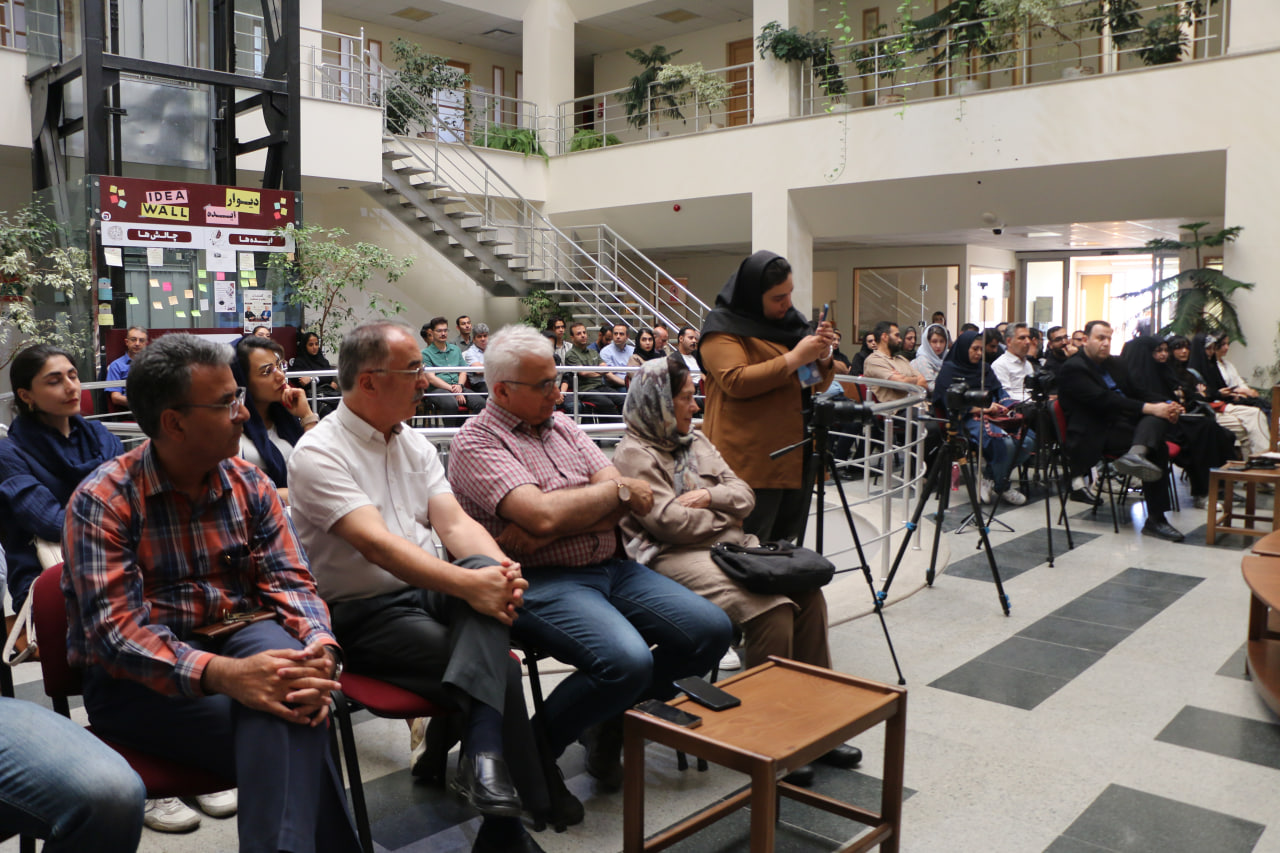
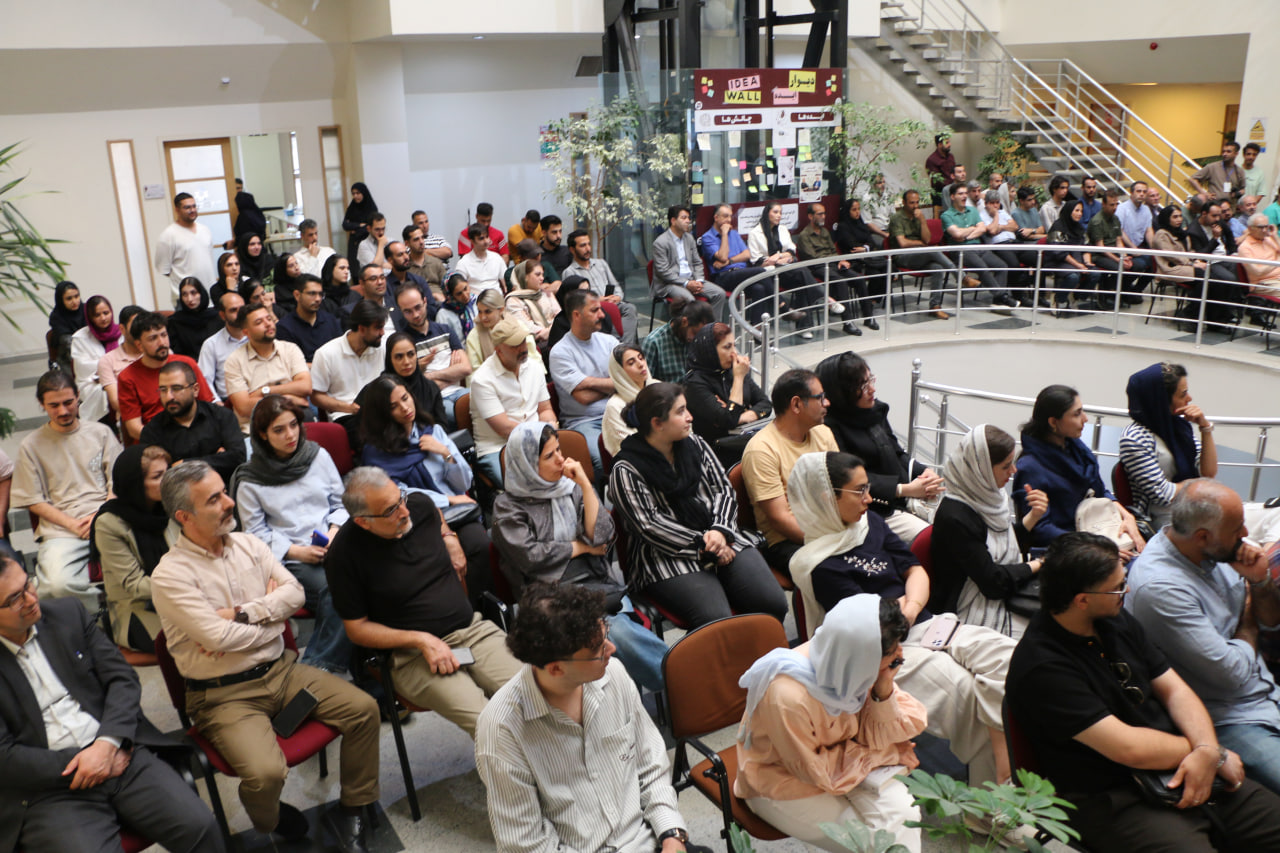
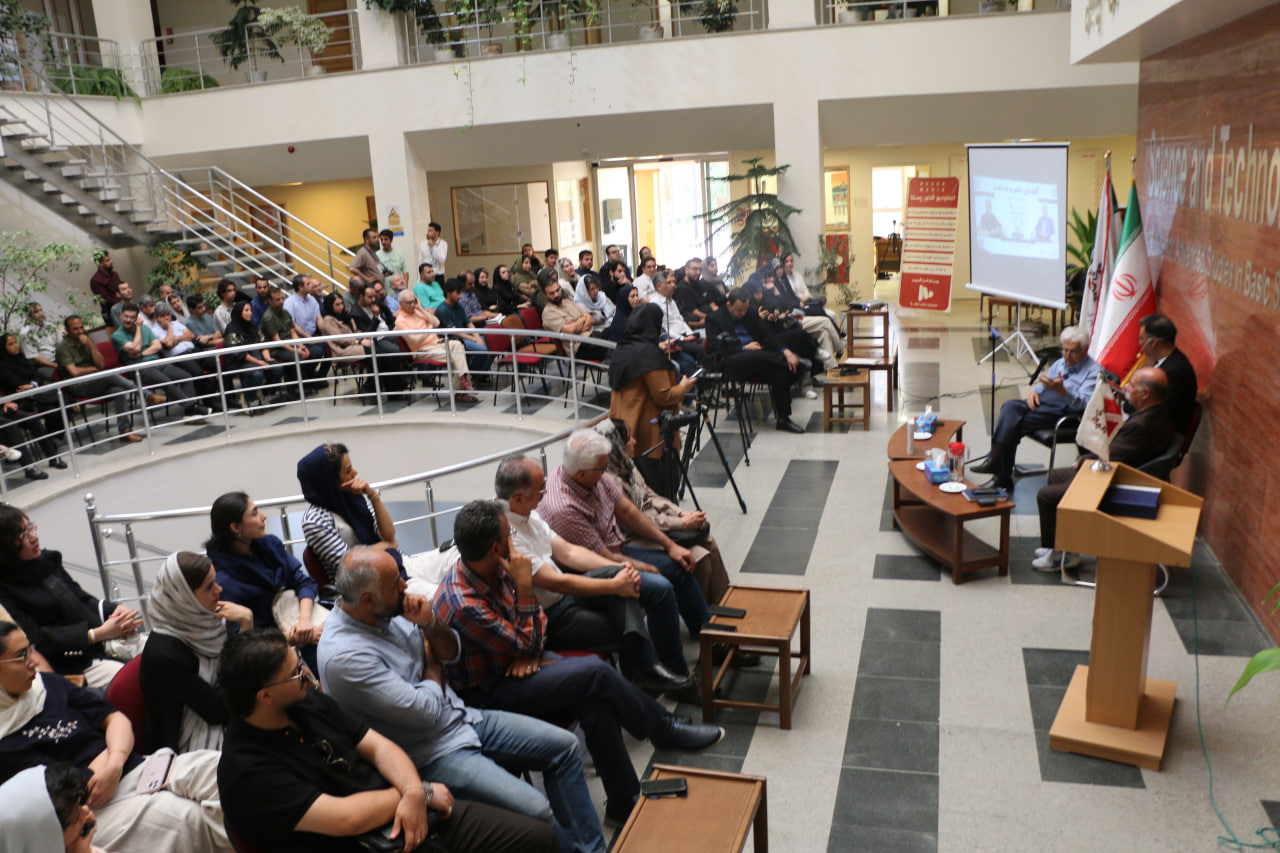
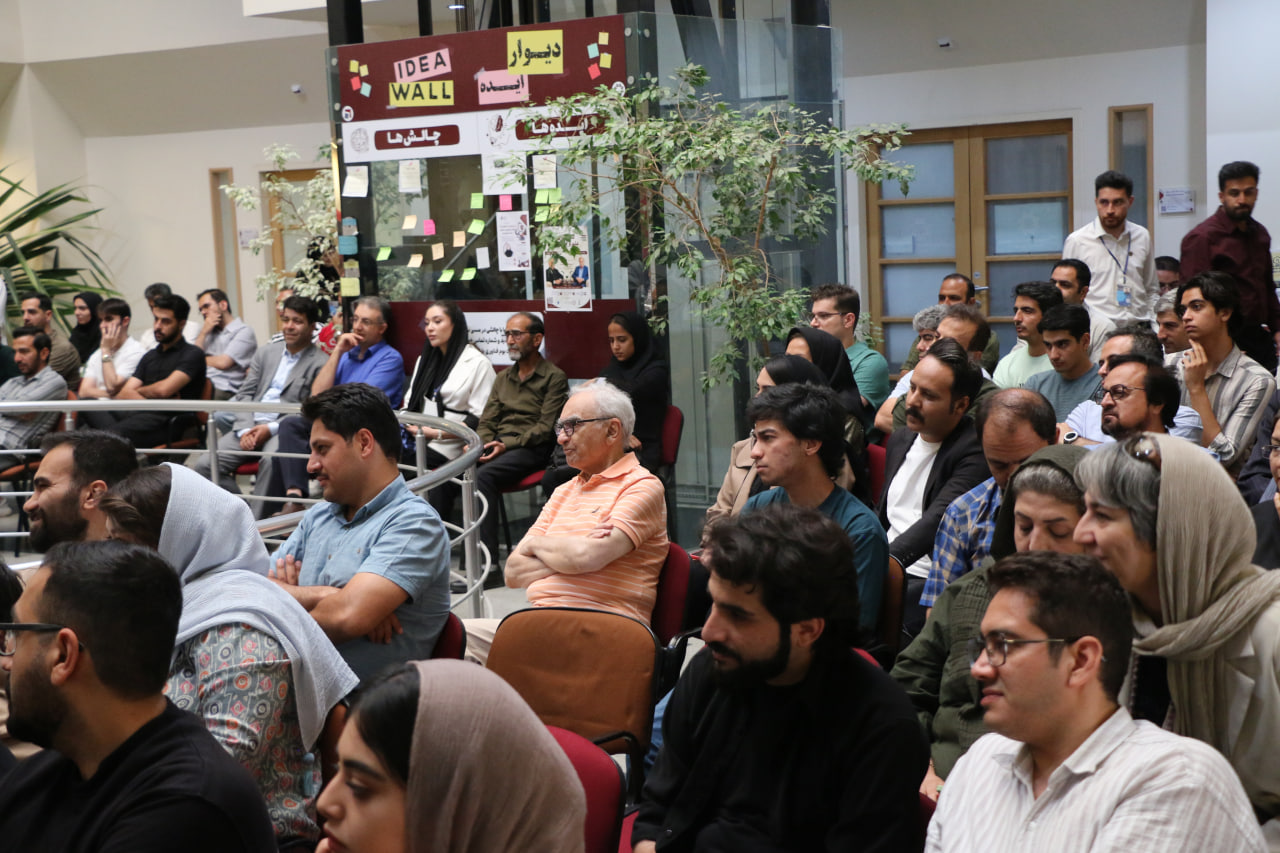
The IASBS Founder has addressed the “Science and Industry Discourse” meeting, themed “From Research to Innovation: How Scientific Ideas Turn into Industrial Solutions”, highlighting his more than six decades of activity in higher education, according to ISNA. He made the remarks on Wednesday, 29 July 2026, stating that despite managerial ups and downs, Iranian universities have made significant progress and currently hold a suitable position in the region in terms of educational depth and scientific quality.
He added that success in any scientific or industrial path requires perseverance and persistence, noting that no work yields results without continuous effort, and young people must pursue their chosen path with seriousness, whether they choose academia or industry.
Explaining the roots of the gap between universities and industry in Iran, Prof Sobouti said that both the university system and the industrial structure of the country were adapted from foreign models, but the connecting link between the two was not formed. In developed countries, the university produces knowledge, intermediary institutions convert it into technology, and then industry, through investment, turns it into products and wealth. He said that industry also refers back to the university when faced with specialised issues, and this interaction has become a sustainable culture.
He said that in Iran over the past decades, universities had been financially dependent on the government and did not feel the need to interact with the industry. On the other hand, industries also purchased technology and equipment from abroad and received services from foreign companies in case of problems; therefore, there was no perceived necessity to utilise the research capacity of universities.
The prominent physics lecturer then pointed out the impact of sanctions, stating that the restrictions of recent years have caused industries to move towards solving problems by relying on domestic capability and to pay more attention to the capacity of universities, though if this relationship had been established earlier, the situation today would be far more desirable.
He identified science and technology parks and incubator centres as the best connecting links between academia and industry, adding that these centres could turn scientific findings into technology and practical products, playing an effective role in the development of the knowledge-based economy.
In another part of his speech, Prof Sobouti emphasised the role of ordinary people in the country’s progress, saying that the development of societies is not achieved solely by relying on the elite, but that it is the ordinary people of society who, with the provision of opportunity and job security, drive the main engine of progress. If the ground for activity is prepared for these individuals, society will follow its path of growth.
Regarding the migration of graduates, he said the duty of the university is to educate and train human resources, but creating job opportunities and providing the conditions to retain elites is the responsibility of other sectors of the country.
The veteran faculty member also referred to the experience of establishing the incubator centre of the Institute for Advanced Studies in Basic Sciences (IASBS), emphasising the importance of supporting innovation infrastructure and stating that scientific and technological development requires an appropriate platform and continuous support for individual ideas and initiatives.
Noting that capital always moves towards safe and profitable environments, Prof Sobouti pointed out that if the right platform is provided for scientific, economic, and innovative activity, capital and talent will also be employed in the same direction, and the country’s development will accelerate.
Research without wealth creation and industry without knowledge are both incomplete
Following this, the Zanjani Industrialist and Entrepreneur, Mr Yousef Moradlou emphasised the need to strengthen the link between university and industry, stating that research is valuable when it can lead to problem-solving and wealth creation, and conversely, an industry that does not benefit from knowledge and research will not follow the path of sustainable development.
He said that human life is accompanied by risk and experience from the beginning, declaring that no success is achieved without risk-taking, perseverance, and effort, and the path of entrepreneurship is no exception to this rule.
Drawing on his personal experience from his youth, he described escaping from the hospital after being wounded during the events of the revolution as the biggest risk of his life, adding that the same experience taught him that sometimes difficult decisions change the future path of a person.
In response to the question of which path young people should choose between scientific activity and industrial production, Mr Moradlou said these two paths are not in opposition to each other; science is incomplete without being transformed into technology and wealth, and industry cannot progress without scientific backing.
Criticising the gap between universities and industry in the country, he said for years our students have received only theoretical training and have not had sufficient opportunity to be present in real industrial environments. A student must visit factories during their studies, talk with entrepreneurs, and become familiar with the real issues of production.
The Zanjani industrialist and entrepreneur referred to his experience of visiting prestigious universities worldwide, adding that in many advanced universities, students are involved in practical projects and problem-solving from the first weeks of their studies, and educational and laboratory facilities matching this approach are made available to them.
He emphasised that although today the connection between industry and university has improved compared to the past, there is still a significant gap between the two, and this gap must be reduced through the cooperation of both sectors.
Stating that industries need universities to solve their problems, Mr Moradlou said that researchers sometimes present valuable ideas, but due to unfamiliarity with economic considerations and industrial production, their commercialisation is not possible. Alongside specialised education, economics, the market, and the requirements of production must also be taught to researchers.
He said that many university graduates have good theoretical knowledge upon entering industry but lack sufficient practical experience, which indicates the need to revise the method of education and strengthen skills training.
Defending the performance of the zinc industry, the entrepreneur stated that the assumption that only raw mineral material is extracted and exported is not an accurate perception. Over the past decades, the zinc industry has succeeded in creating significant value-added and developing many downstream industries.
Referring to Zanjan’s position in the country’s zinc industry, Mr Moradlou said that the production of zinc ingots and the development of related industries have, in addition to creating employment, led to the formation of a chain of industrial products that also find widespread application in people’s daily lives.
He also rejected the view that success in industry is merely the result of rent-seeking or special privileges, stating that no factory or business achieves success without enduring hardship, planning, love of work, and perseverance. Economic opportunities differ in each period, and entrepreneurs must identify new paths in accordance with the conditions of the time.
Addressing university lecturers and industrial activists, Mr Moradlou said that the future of the country depends on the effective interaction of universities and industry. The university must move more than before towards solving real production problems, and industry must also provide the ground for the presence of students and researchers in practical environments so that these two sectors can pave the way for the country’s development together.
At the end of the meeting, the poster for the “For Water” event was unveiled in the presence of the participants and officials, according to ISNA. The event is held with the aim of addressing water sector issues and utilising scientific, research, and technological capacities to provide innovative solutions.
Source: isna.ir/xdWP95
Wed, 29 Jul 2026


Developed by the IASBS Computer Centre
IP Address:[216.73.217.122] Browser: Mozilla/5.0 AppleWebKit/537.36 (KHTML, like Gecko; compatible; ClaudeBot/1.0; +claudebot@anthropic.com)