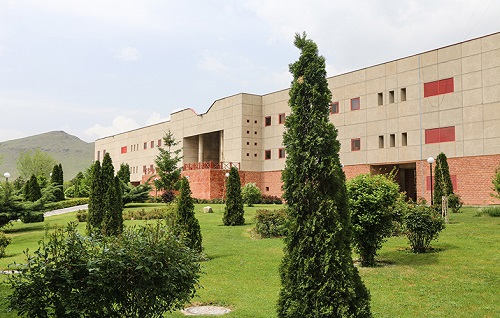
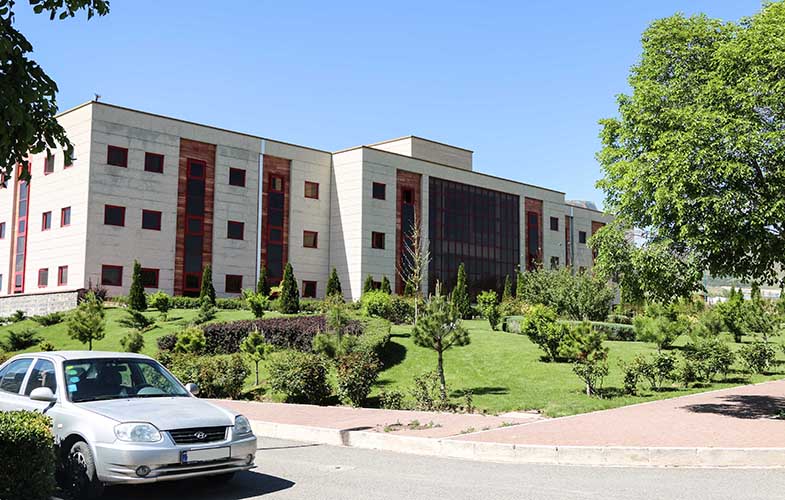
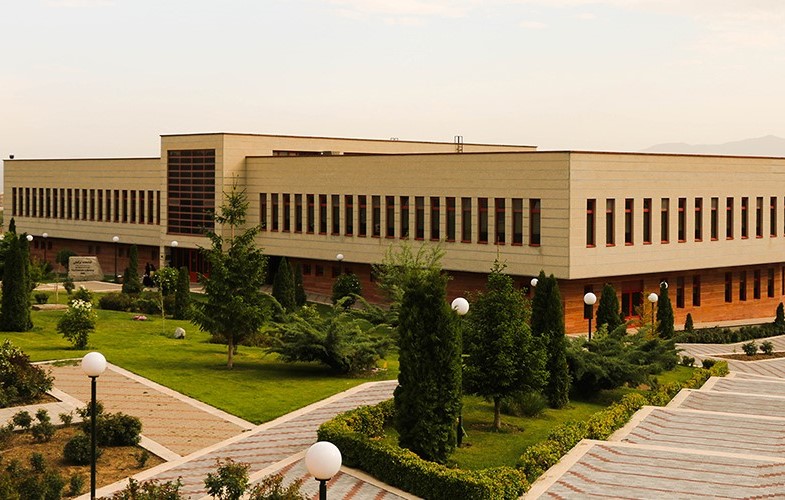
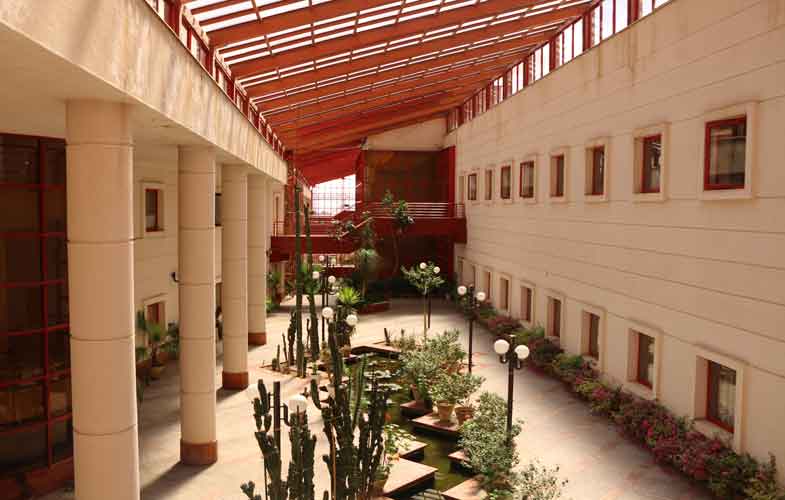
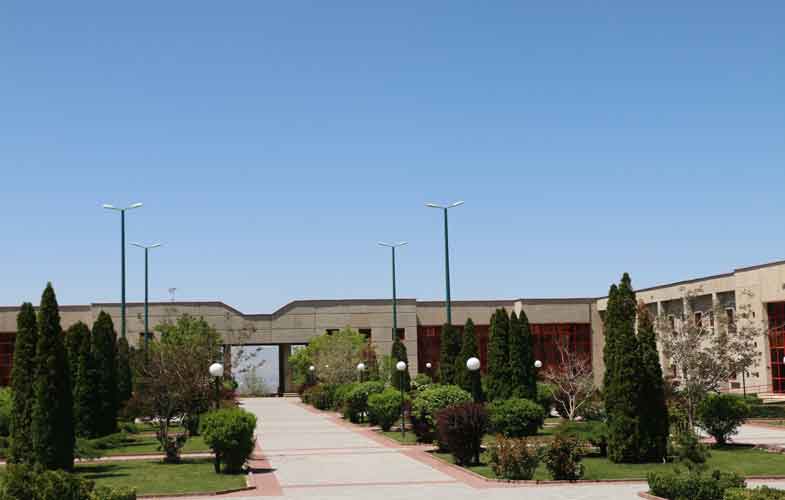
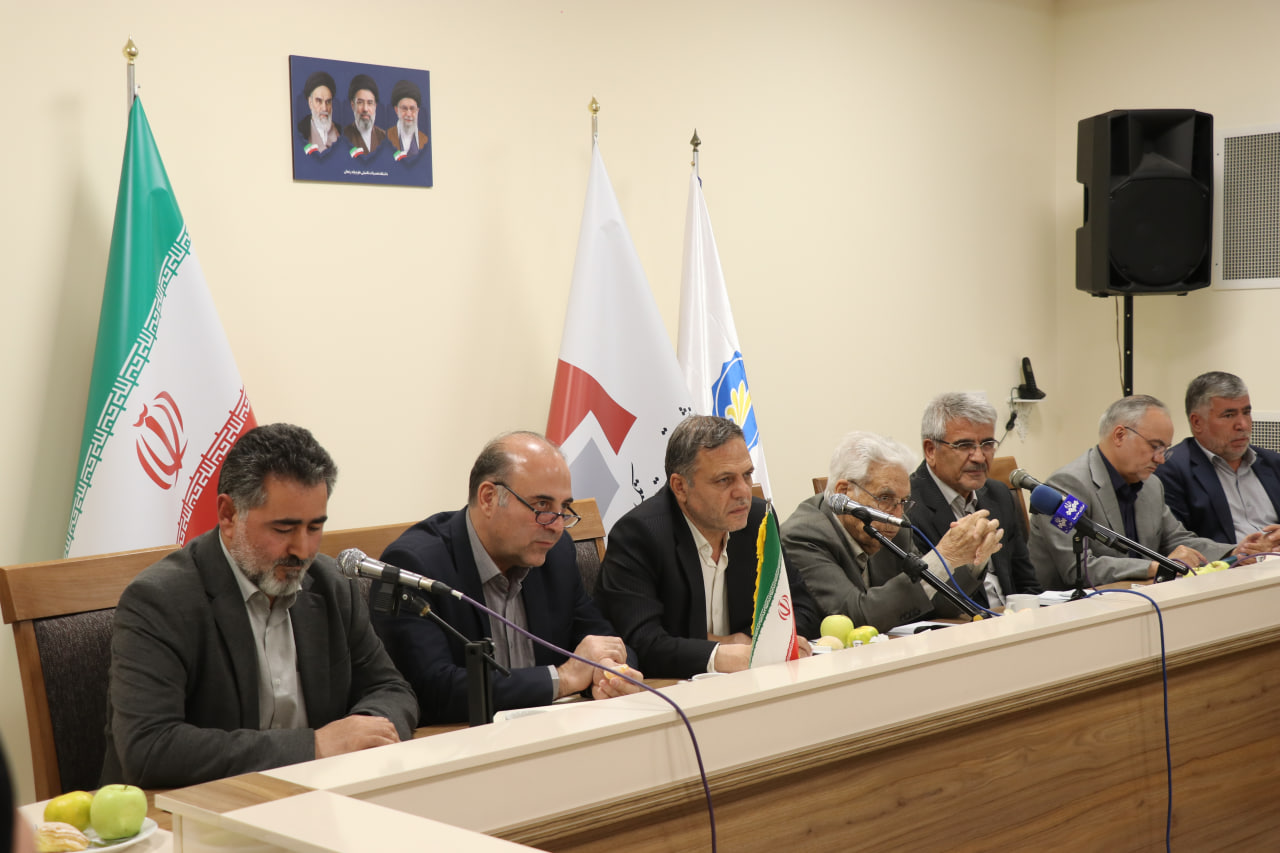
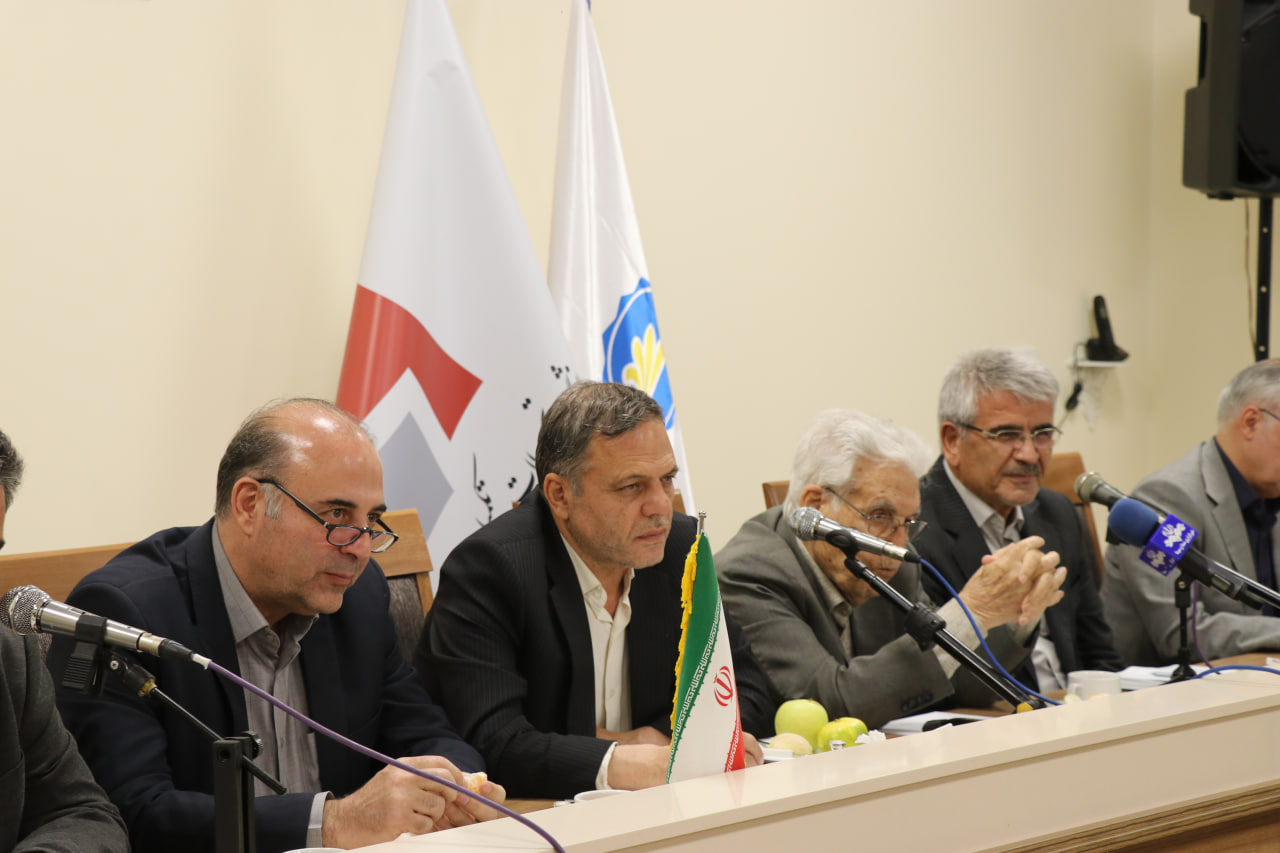
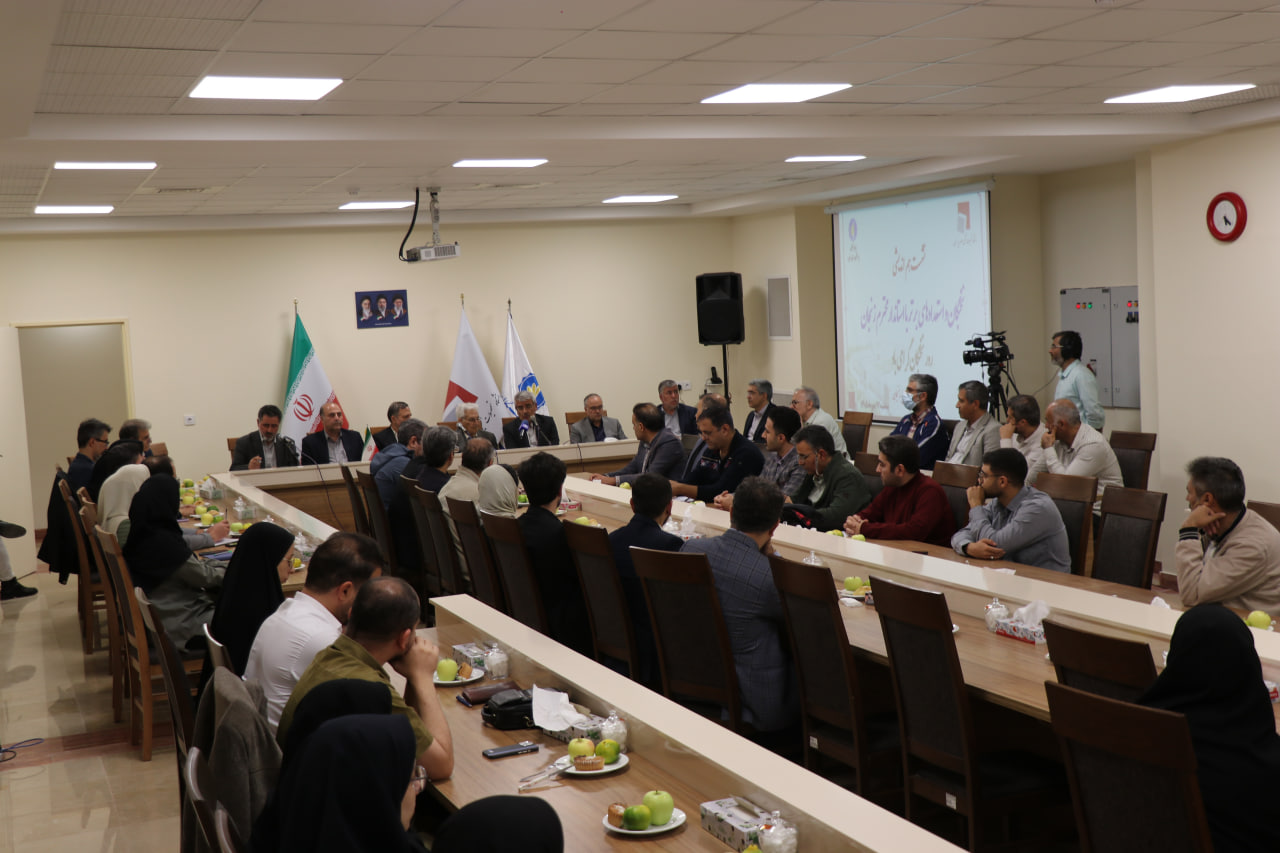
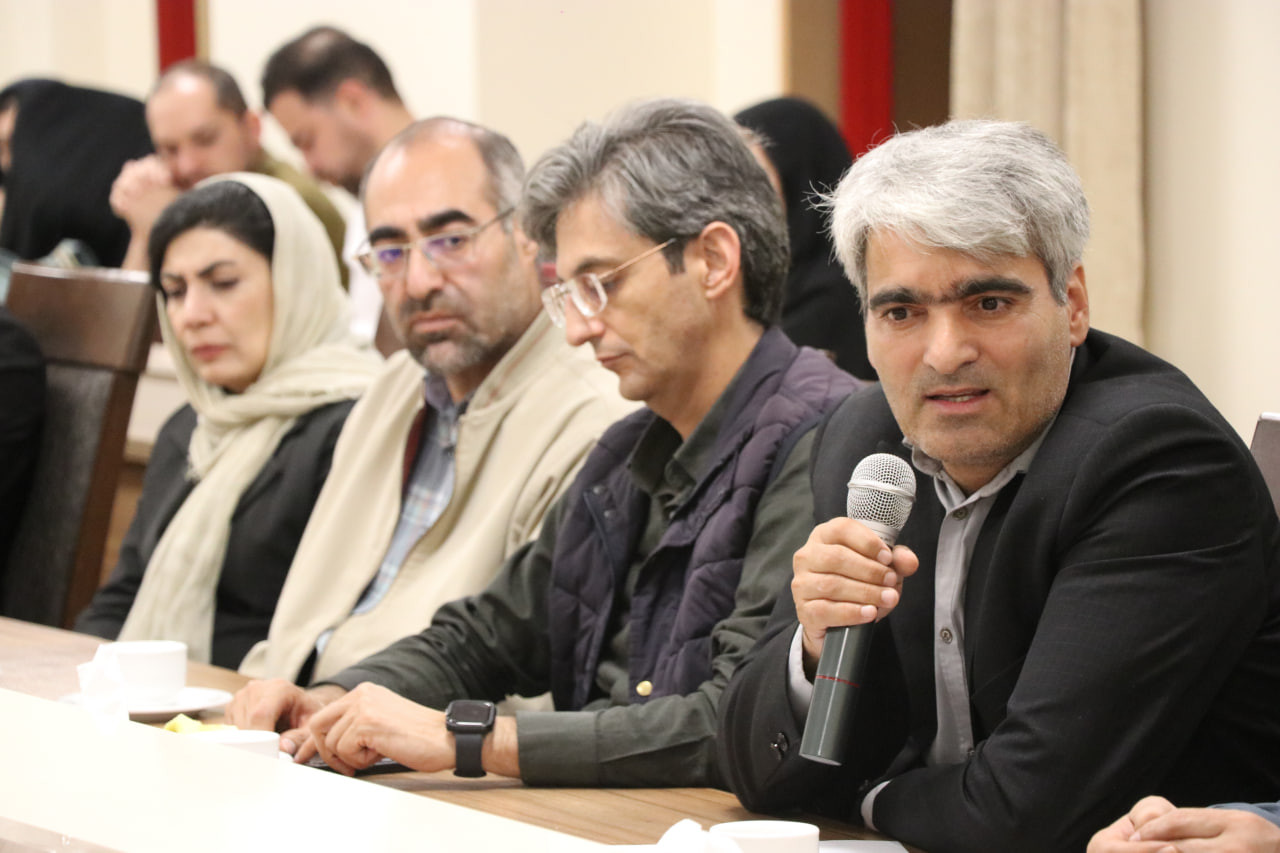
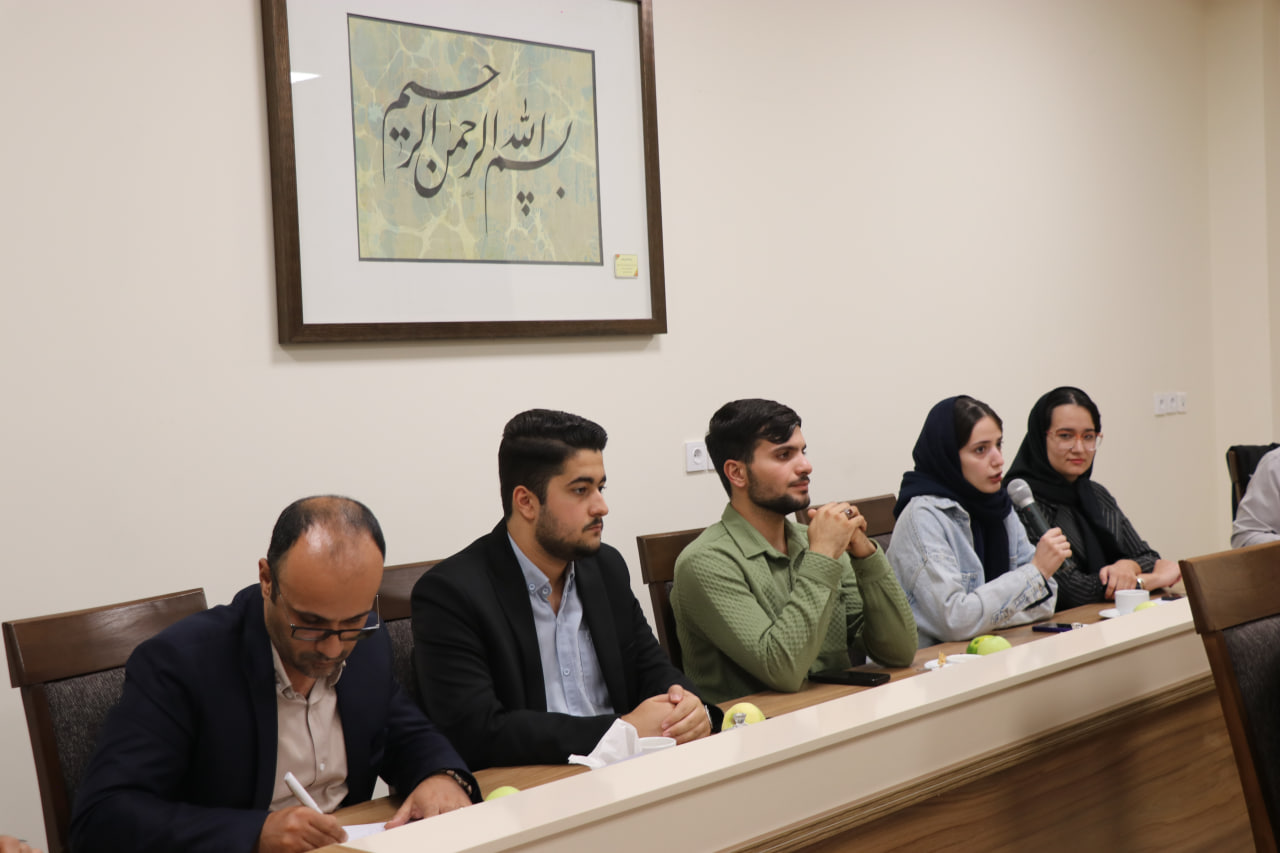
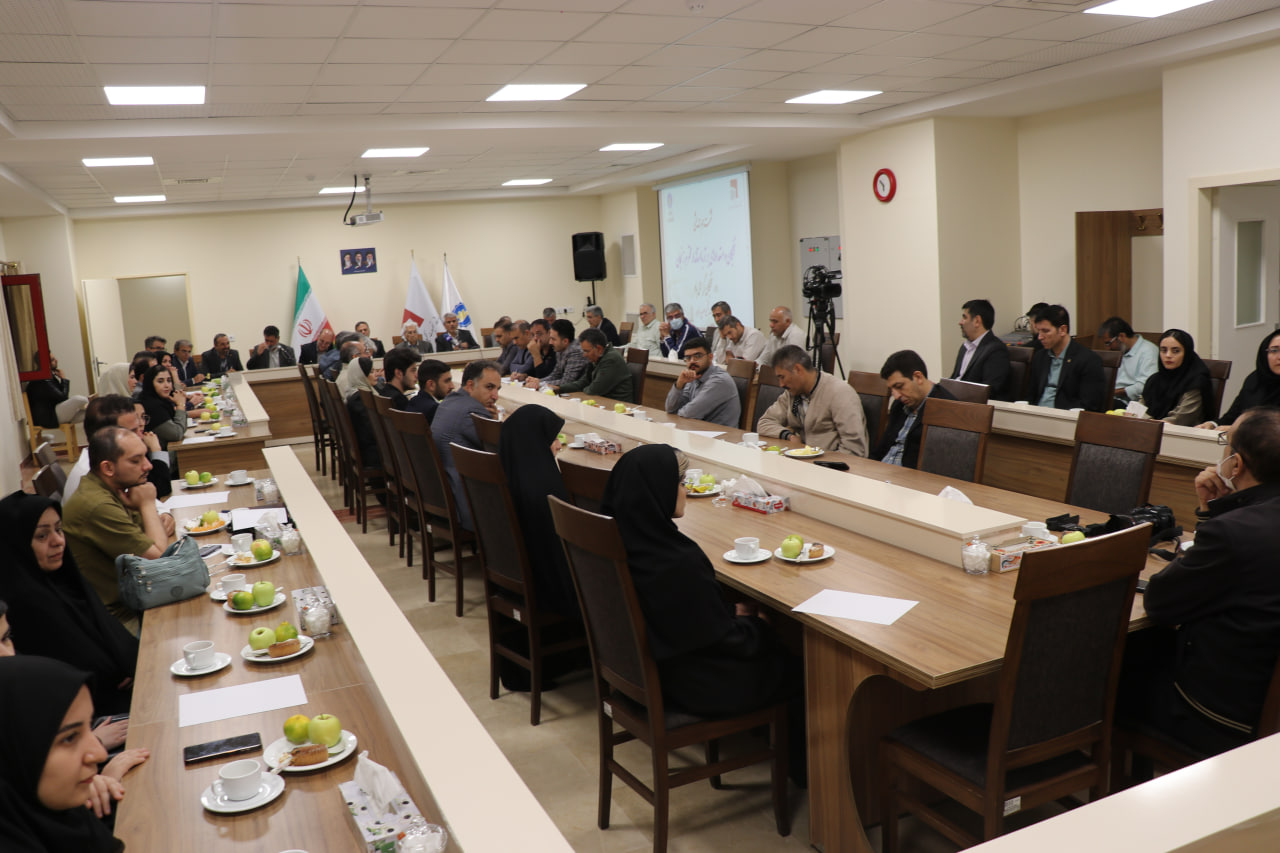
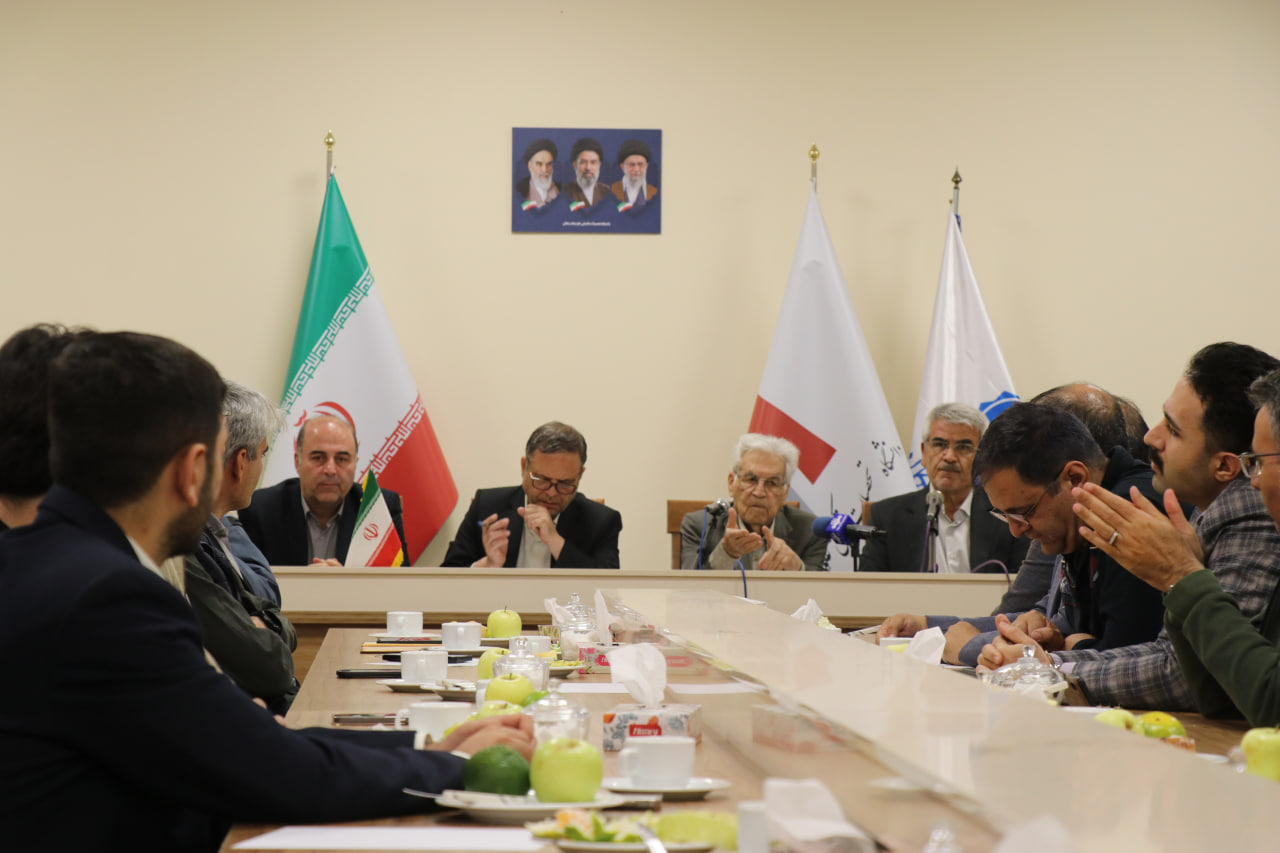
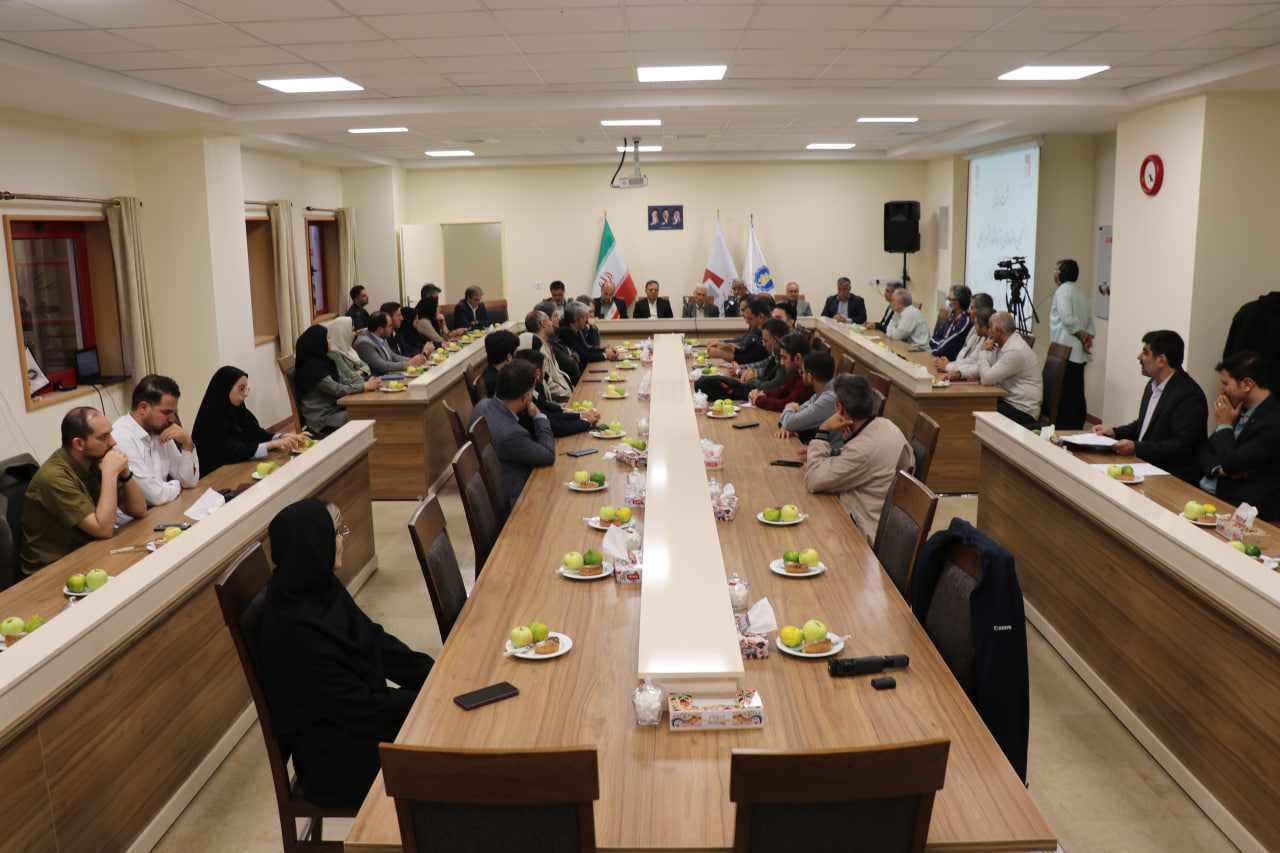
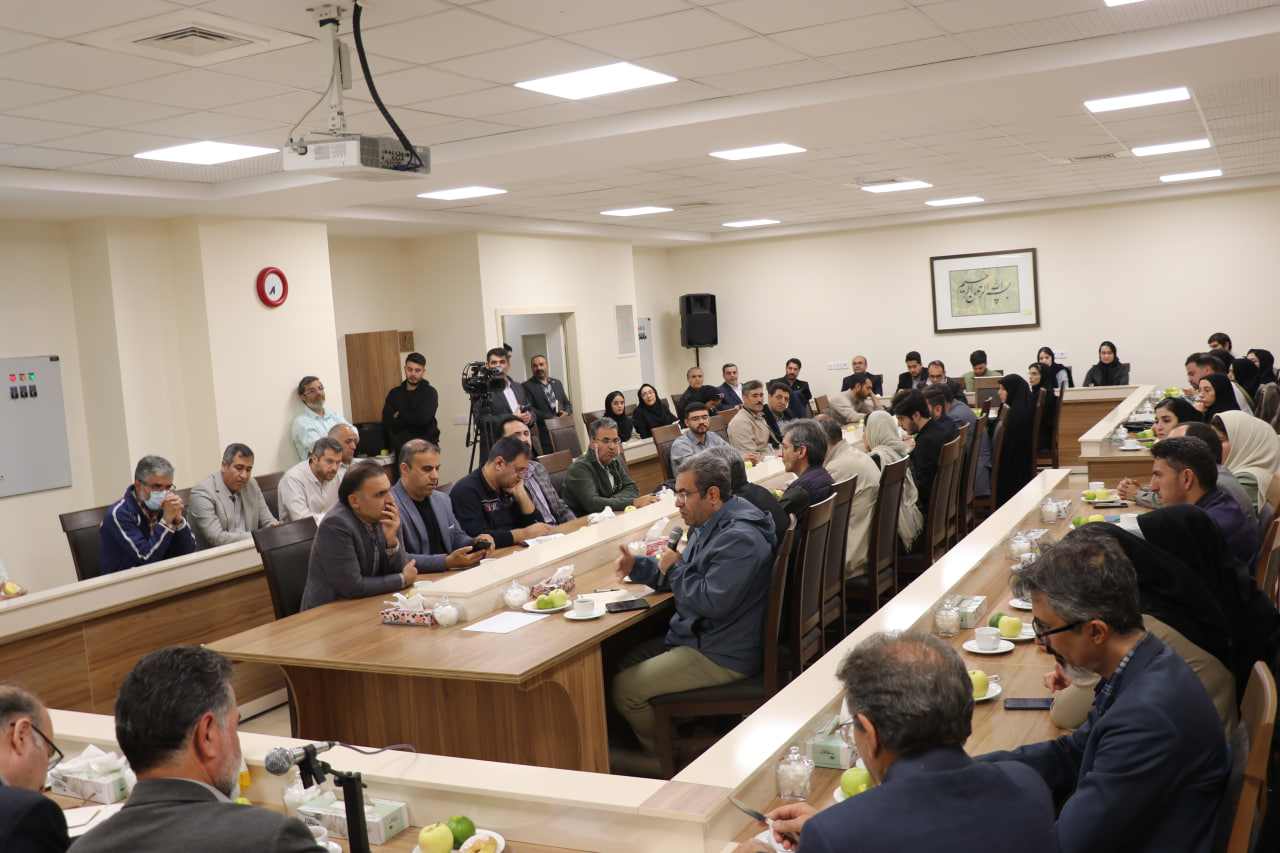
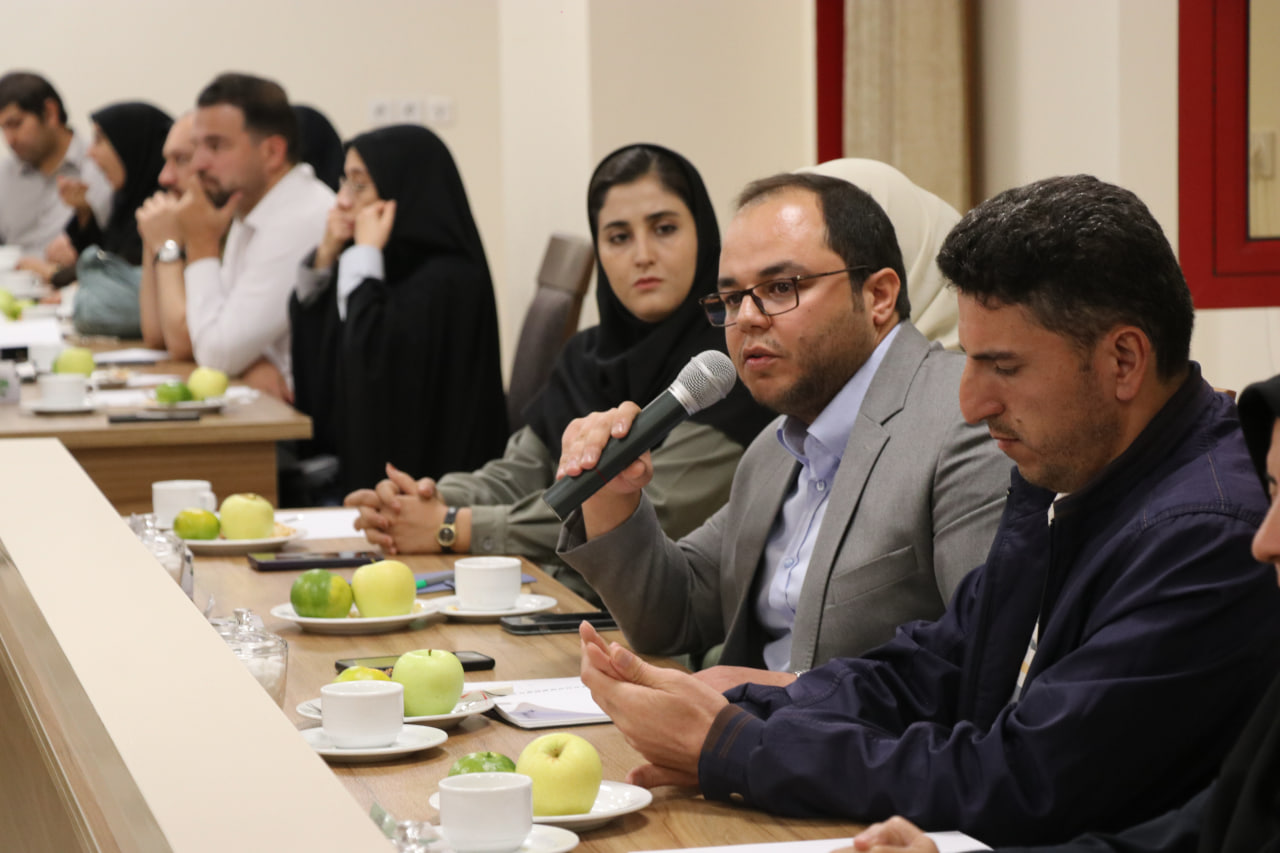
A meeting of Zanjan Province’s elites and top talents has been held at the Institute for Advanced Studies in Basic Sciences (IASBS), with the Governor of Zanjan Province, Dr Mohsen Sadeghi, and a number of officials, university chancellors, faculty members, elites, and top talents in attendance. In the meeting, the participants presented their views and proposals on the role of elites in addressing the province’s challenges, university-industry links, employment and the retention of human capital, technological development, and the use of the province’s scientific and research capacities.
The meeting was attended by the IASBS President, Prof Sadollah Nasiri Gheydari; the Chancellor of the University of Zanjan, Prof Jalal Saba; the founder of the Institute for Advanced Studies in Basic Sciences (IASBS), Prof Yousef Sobouti; the distinguished faculty member of the University of Zanjan and recipient of the Khwarizmi Award and Allameh Tabatabaei Award, Prof Ali Ramezani; the Head of the Zanjan Province Elites Foundation, Prof Rasouli; and a number of faculty members, researchers, graduates, and top talents from the province.
Prof Nasiri Gheydari: the IASBS is proud to host the province’s elites
At the beginning of the meeting, the IASBS President, Prof Sadollah Nasiri Gheydari, welcomed the Governor of Zanjan Province and the participants. He thanked the Governor of Zanjan Province, Dr Mohsen Sadeghi, for joining the province’s academic and elite community, describing him as a governor who, despite the breadth of his responsibilities and the province’s numerous challenges, pays particular attention to science, universities, and Zanjan’s scientific capacities.
Referring to IASBS’s role as host of the meeting, the IASBS President said that the presence of elites and people whose ideas and thinking could contribute to the development of the province and the country was valuable for the university.
The IASBS President also referred to the university’s standing among the country’s universities and described it as one of the country’s leading universities in terms of qualitative indicators. He said that the university held notable positions nationally in areas including scientific excellence, laboratory equipment, and the production of leading scientific articles.
Referring to the capacities of the province’s science and technology park and knowledge-based companies, the IASBS President stressed the need to provide the infrastructure required by these companies. He said that around 126 knowledge-based companies were currently operating in the province, some of which were based in science and technology parks and the university’s park, and that expanding this capacity required suitable infrastructure.
He also mentioned research and development tax credits and cooperation between universities and the province’s industries. He said that implementing existing memoranda of understanding and removing certain obstacles could make significant investment in the university’s technological infrastructure and the establishment of a technology complex possible.
Prof Saba: the University of Zanjan takes its social responsibility towards the province seriously
The Chancellor of the University of Zanjan, Prof Jalal Saba, expressed his pleasure at attending the meeting and thanked the Governor of Zanjan Province for his continued attention to the province’s elite community. He introduced the University of Zanjan as the province’s comprehensive and designated university and said that, as it approached its 50th anniversary, it was pursuing social responsibility as one of its main priorities.
Emphasising that universities should not operate separately from society, the Chancellor of the University of Zanjan said that the university had sought to strengthen its links with the surrounding community and regard society’s issues and problems as its own.
Mentioning the establishment of various research institutes at the university the Chancellor of Zanjan University said that the Institute for Sustainable Development, the Institute for Cancer Prevention, and the Institute for Artificial Intelligence were among the problem-oriented units established at the university. He added that the university was also establishing an ‘Artificial Intelligence House’ in Zanjan to promote the field, particularly among young people.
Referring to the University of Zanjan’s approximately 400 faculty members and 10,000 students, the Chancellor stressed the university’s readiness to play a more effective role in addressing the challenges facing the province and the country.
He invited the elites in attendance and other members of the province’s elite community to share their scientific and technological ideas and solutions with the University of Zanjan’s deputy for research, and the technology incubator. This would enable the university, using its support capacities, to connect them with faculty members, facilities, and university equipment.
The Chancellor of the University of Zanjan also addressed the retention of human capital and elites in the province. He said that universities alone were not sufficient to retain human capital and that the urban environment and quality of life also needed attention.
Referring to the University of Zanjan’s improving position in international rankings, he stressed that universities could influence the retention of human resources only to a certain extent. Beyond that point, the attractiveness of the city, the quality of the living environment, and social, cultural, and urban activities would also influence people’s decisions to stay or migrate.
The Chancellor of the University of Zanjan said that, together with IASBS and the University of Medical Sciences, the University of Zanjan was seeking to improve the living environment and make the city more attractive. He added that the capacities of the university’s art and architecture groups could also be used for this purpose.
Prof Sobouti: the Iranian society has not yet developed a ‘passion for novelty’
The founder of the Institute for Advanced Studies in Basic Sciences (IASBS), Prof Yousef Sobouti, thanked the IASBS President, Prof Sadollah Nasiri Gheydari, for hosting the meeting and expressed his pleasure at being among the province’s faculty members, elites, and academic colleagues.
Prof Sobouti began his remarks from an historical and cultural perspective by asking what stage Iran had reached during the past 200 years and where it stood today.
Referring to Iranian society’s acquaintance with the Western world and its scientific and technological achievements during the past two centuries, he said that Iran and many countries in the region had introduced universities and modern sciences and technologies in an effort to reach the West’s scientific and technological level. However, they had not played a sufficient role in creating new knowledge and technology and had therefore failed, in many cases, to master their finer details.
The founder of IASBS made reference to the Iranian society’s differing responses to modern civilisation and science and said that part of the society had become fascinated by the West, while another part had rejected it. The main issue, however, was participation in the process of producing knowledge and technology and gaining a deep understanding of the logic of modern science.
Referring to the introduction of basic sciences, including physics, chemistry, mathematics, biology, and earth sciences, into the country’s schools and universities, as well as the import of advanced technologies, Prof Sobouti stressed that education or the purchase of technology alone could not turn a society into a producer of knowledge and technology.
He then emphasised what he regarded as one of the Iranian society’s fundamental shortcomings: a ‘passion for novelty’.
Referring to Europe in the 14th, 15th, and 16th centuries, Prof Sobouti said that a ‘passion for novelty’ had spread through society at that time. This spirit had led to the emergence of scientists, inventions, and achievements that eventually entered people’s lives.
He stressed: “A passion for novelty does not yet exist in our country.” He added that a large part of society was still not seeking to become new, be new, or think in new ways.
According to Prof Sobouti, today’s world is a world of measurement, data analysis, physics, chemistry, mathematics, genetics, gene therapy, understanding the earth and the sky, and artificial intelligence. Modern society could not make decisions about scientific and social issues solely on the basis of personal and untestable perceptions.
He described introducing children, adolescents, and young people to the ways of thinking and operating in the modern world as one of the country’s fundamental necessities. He said that conditions should be created so that the younger generation could experience and test what it learned in books and classrooms.
Referring to the ‘Science House’ and ‘Knowledge House’ at IASBS, Prof Sobouti said that these units sought to enable children and adolescents to experience and test scientific subjects outside the usual educational framework.
He described the Knowledge House’s target audience as children aged approximately three to 13. Referring to children’s experiences before entering school, he said that children at this age were full of questions and curiosity, but that the education system sometimes gradually extinguished this spirit.
The founder of IASBS stressed that the purpose of the Science House and Knowledge House was to help preserve and strengthen this sense of curiosity and create the conditions for developing a spirit of novelty, which he believed was essential for society’s progress towards science and technology.
Prof Rasouli: support for elites must lead to solutions to the country’s problems
The Head of the Zanjan Province Elites Foundation, Prof Rasouli, thanked the Governor of Zanjan Province and the province’s university heads for attending the meeting and provided information about the programmes and initiatives of the National Elites Foundation.
Referring to the Foundation’s new policy under the ‘paradigm shift’ initiative, he said that support for the elite community should not be limited to financial assistance. Instead, the talents and abilities of elites were expected to be used to address the country’s problems.
The Head of the Zanjan Province Elites Foundation made reference to various Foundation initiatives, including the Shahid Ahmadi Roshan problem-oriented groups, the Shetab initiative, think tanks, and the Shahid Sayyad Shirazi initiative. He explained that these initiatives sought to link the capacities of top talents with the needs of universities, industry, and executive bodies.
He also mentioned the presence of leading faculty members and prominent scientific figures from the province among the elites, and the receipt of the Allameh Tabatabaaee Award by the founder of IASBS, Prof Yousef Sobouti, and Dr Ali Ramezani.
Faculty members and elites raise environmental and waste-management issues
The distinguished faculty member of the University of Zanjan and recipient of the Khwarizmi Award and Allameh Tabatabaaee Award, Dr Ali Ramezani, described the province’s waste, particularly mining and agricultural waste, as among its important capacities and challenges.
Referring to the large volume of mining waste in Zanjan, he stressed that, in addition to creating environmental problems, this waste could be used as an economic resource and raw material. Universities and researchers could play a role in developing the technologies required to recover valuable materials from it.
Dr Ramezani also talked about. the problems caused by olive-processing waste in Taarom and certain types of waste from agricultural industries. He called for greater attention to scientific and technological solutions to prevent the environmental damage caused by these processes.
Other topics discussed at the meeting included using the capacities of elites to address industrial problems, the need for continuous links between universities and executive bodies, the capacities of the private sector and industry, employment for doctoral and postdoctoral graduates, and the need to create conditions for retaining elites in the province.
Some graduates and researchers also spoke about existing difficulties in recruiting doctoral graduates and postdoctoral researchers. They stressed the need to create employment and research opportunities suited to their abilities.
The recruitment of faculty members from among local graduates, the use of elites’ capacities in executive bodies and the private sector, and preventing the migration of human capital were also among the issues raised during this part of the meeting.
Governor of Zanjan: Elites’ capacities must be used in a specialised and problem-oriented manner
The Governor of Zanjan Province, Dr Mohsen Sadeghi, congratulated participants on National Elites Day and the anniversary of the birth of Shahid Dr Mostafa Chamran. He thanked IASBS for hosting the meeting and the province’s Elites Foundation for organising it.
The Governor of Zanjan Province noted that the meeting was the first gathering of the province’s elites with such a composition and stressed the need for similar meetings to continue. He said that this process should lead to the creation of a structure for the specialised and problem-oriented use of elites’ capacities.
He described National Elites Day as an opportunity to pay greater attention to human capital, useful science, and the trends and challenges facing the country’s educational and development system. He said that the country’s special circumstances and existing limitations had made the effective use of scientific and intellectual capacities even more necessary.
The Governor stressed the need for stronger links between executive structures and the intellectual capacities of elites. He said that elites should participate as national capital in decision-making, problem-solving, and the implementation of the province’s development programmes.
Referring to the existence of a defined ‘system of problems’ in Zanjan Province, he said that the number of elites in the province was considerably greater than the number attending the meeting. Specialised and problem-oriented working groups should therefore be formed to connect this capacity with the executive, industrial, and development sectors.
The Governor of Zanjan Province stressed that, if talents were not recognised, were not given the opportunity to demonstrate their abilities, and were not involved in solving problems, they might become frustrated or migrate from the country.
According to the Governor, the knowledge and abilities of elites far exceeded the complexity of the existing problems. The main issue was creating a link between knowledge and ability on the one hand and implementation and action on the other.
The Governor of Zanjan Province stressed that the results of elite activity should be reflected in innovation, development, wealth creation, greater national strength, social welfare, and increased vitality and hope in society. He said that the role of elites was not limited to solving existing problems and could also lead to the creation of new opportunities.
Mining waste: From environmental challenge to development capital
Referring to mining waste, the Governor of Zanjan Province said that the province was facing approximately 15 million tonnes of accumulated mining waste and the annual production of nearly one million tonnes of new waste.
He described this volume of waste as both an environmental challenge and an economic and technological opportunity and stressed the need for the province’s universities to address the issue.
The Governor said that managing this waste could reduce environmental risks and turn the materials and wealth contained in it into capital for the province.
He also referred to the province’s approximately 1,450 production units and said that Zanjan had significant capacities in areas including industry, mining, and tourism. Scientific ideas and the participation of elites were needed to activate these capacities.
Governor stresses use of elites’ capacities in zinc industry value chain
The Governor of Zanjan Province talked about the province’s position in the zinc industry and said that around 70 per cent of the country’s zinc industry was located in Zanjan. Approximately 300 million US dollars’ worth of zinc ingots were exported from the province to Türkiye each year.
He noted that some raw materials were imported into Iran from various countries, processed into ingots, and then exported to Türkiye. He stressed the need to move from exporting raw materials and ingots towards completing the value chain.
The Governor of Zanjan Province said that the ideas required for this transformation could be provided by the elite community, investors could enter the process, and the government could act as a guide and facilitator. This would create a mutually beneficial relationship between elites, investors, and the public sector.
He described ‘recognising and introducing’ the capacities of elites as two key concepts in this process. He said that the province’s investors still lacked sufficient knowledge of the capacities of the elite community and that this relationship needed to be strengthened.
25 specialised working groups to be formed for 25 major provincial challenges
Referring to the province’s system of problems, the Governor of Zanjan Province said that approximately 25 major challenges or principal issues had been identified in the province. A specialised working group could be formed for each of them so that elites, industrialists, and executive bodies could work together to provide practical solutions.
He identified water as one example. Part of the province’s water problem, he said, was related to water management rather than an absolute shortage of resources. Addressing such issues required specialised perspectives and the use of elites’ capacities.
The Governor of Zanjan Province also stressed the need to broaden the province’s elite community rather than restrict it. He said that opportunities should be created for people with talent and ability to see the results of their activities and ideas in the real world.
Zanjan ranks second nationally in some elite-related indicators
Referring to figures from the National Elites Foundation, the Governor of Zanjan Province said that Zanjan ranked second nationally after Tehran in certain scientific and elite-related indicators. He described the province’s scientific leaders, prominent faculty members, recipients of scientific and research awards, and distinguished scientists such as the founder of the IASBS, Prof Yousef Sobouti, and Shahid Dr Majid Shahriari as important provincial capacities.
He also announced that a registered database containing information on 1,832 provincial elites had been established. The details and records of these people were available to the province’s governance structures, and conditions should be created for using their capacities.
According to the Governor of Zanjan Province, 361 members of the province’s elite community had received support from the Foundation during the past two years. More than 72.85 billion tomans from the Foundation’s support budget had been allocated to the province’s elites, faculty members, and research groups.
He also announced that 643 talented students had benefited from this support; 23 postdoctoral researchers had received support under the Shahid Chamran initiative; young faculty members had been supported under the Shahid Kazemi Ashtiani initiative; researchers had been supported through the Researcher initiative; 176 elites had been organised into Shahid Ahmadi Roshan problem-oriented groups; 60 of these individuals had received direct support; 104 inventors had been identified; and 57 science and technology groups had received support.
Five main government priorities for supporting elites
The Governor of Zanjan Province stressed that the government’s role was not limited to providing financial support. He said that the government should guide, coordinate, monitor, and evaluate policies concerning elites.
He identified five main priorities in the province’s executive policy.
The first was requiring executive bodies to recruit elites. The Governor of Zanjan Province stressed that recruiting elites in government bodies was a legal obligation and that these bodies should create conditions for recruiting eligible people. He also stressed that any obstacles or bureaucratic delays in this process should be followed up and that the recruitment of elites should be considered one of the indicators used to assess the performance of government managers.
The second priority was providing housing for elites and faculty members. The Governor of Zanjan Province stressed the need to use legal capacities, government-owned land, and bank facilities to provide housing for the elite community.
The third priority was connecting industry and universities through the Law on Knowledge-Based Production Leap and research and development tax credits. He stressed that industries’ expenditure on research and development, support for elite projects, and industrial scholarships could be used as tax credits, and that this capacity should be introduced to industrialists more extensively.
Referring to the province’s tax revenues, the Governor of Zanjan Province said that, given the considerable amount of tax paid, allocating part of this capacity to research and development could bring about a major transformation in university-industry relations.
The fourth priority identified by the Governor of Zanjan Province was the genuine use of elite think tanks in the province’s decision-making and planning processes.
He stressed that the province’s 22 think tanks should not be ceremonial and that no major development project should be approved by the Provincial Planning Council without an expert annex and scientific evaluation.
The Governor of Zanjan Province said that the aim was for the members of these think tanks gradually to be able to turn ideas into plans, plans into implementation, and implementation into products.
The fifth priority was supporting research grants, commercialisation, and postdoctoral programmes. He stressed the need for synergy among the Governor’s Office, the National Elites Foundation, the Innovation and Prosperity Fund, and other support resources to complete the ‘idea-to-commercialisation’ cycle.
Governor of Zanjan: Province needs problem-oriented thinking more than ever
In the final part of his remarks, the Governor of Zanjan Province stressed that Zanjan Province needed intelligence and problem-oriented thinking more than ever. He described the province’s capacities as diverse and exceptional.
The Governor referred to the province’s solar-energy capacity and said that there were currently applicants seeking to invest in approximately 3,000 megawatts in this field. He also referred to the province’s electricity-generation capacity and transmission lines and described Zanjan as having considerable potential in the energy sector.
The Governor of Zanjan Province said that some national projects selected Zanjan as their pilot location because of the province’s circumstances and capacities. These capacities should be turned into genuine development opportunities through the knowledge and abilities of elites.
He also referred to the historical and cultural characteristics of the people of Zanjan and described wisdom, moderation, perseverance, and rationality as some of the recognised characteristics of the people of the region. He regarded these qualities as an important form of social capital for the province.
The Governor stressed the need to increase the province’s share in national management. He said that the presence of capable people from Zanjan at national levels, and their participation in decision-making, could be directly linked to the province’s development and the acceleration of its development.
At the end of the meeting, the Governor of Zanjan Province stressed that the first meeting of the elites had mainly focused on general issues. He announced that future meetings would be held in specialised and professional formats and said that larger numbers of elites, representing a broader range, should attend subsequent meetings. Their capacities should be turned into executive programmes through think tanks and specialised groups.
The Governor expressed hope that, by creating the necessary executive, legal, and financial conditions, and with the participation of the elite community, the results of this cooperation would be reflected in the development, creation of wealth, employment, and increased welfare of the province’s people, enabling Zanjan to reach the position befitting its scientific and human capacities.
The meeting concluded with an emphasis on continuing links among the elite community, universities, executive bodies, and the private sector, and on turning the scientific capacities and ideas of elites into practical solutions and development projects for the province.
Tue, 06 Oct 2026
Developed by the IASBS Computer Centre
IP Address:[216.73.217.126] Browser: Mozilla/5.0 AppleWebKit/537.36 (KHTML, like Gecko; compatible; ClaudeBot/1.0; +claudebot@anthropic.com)