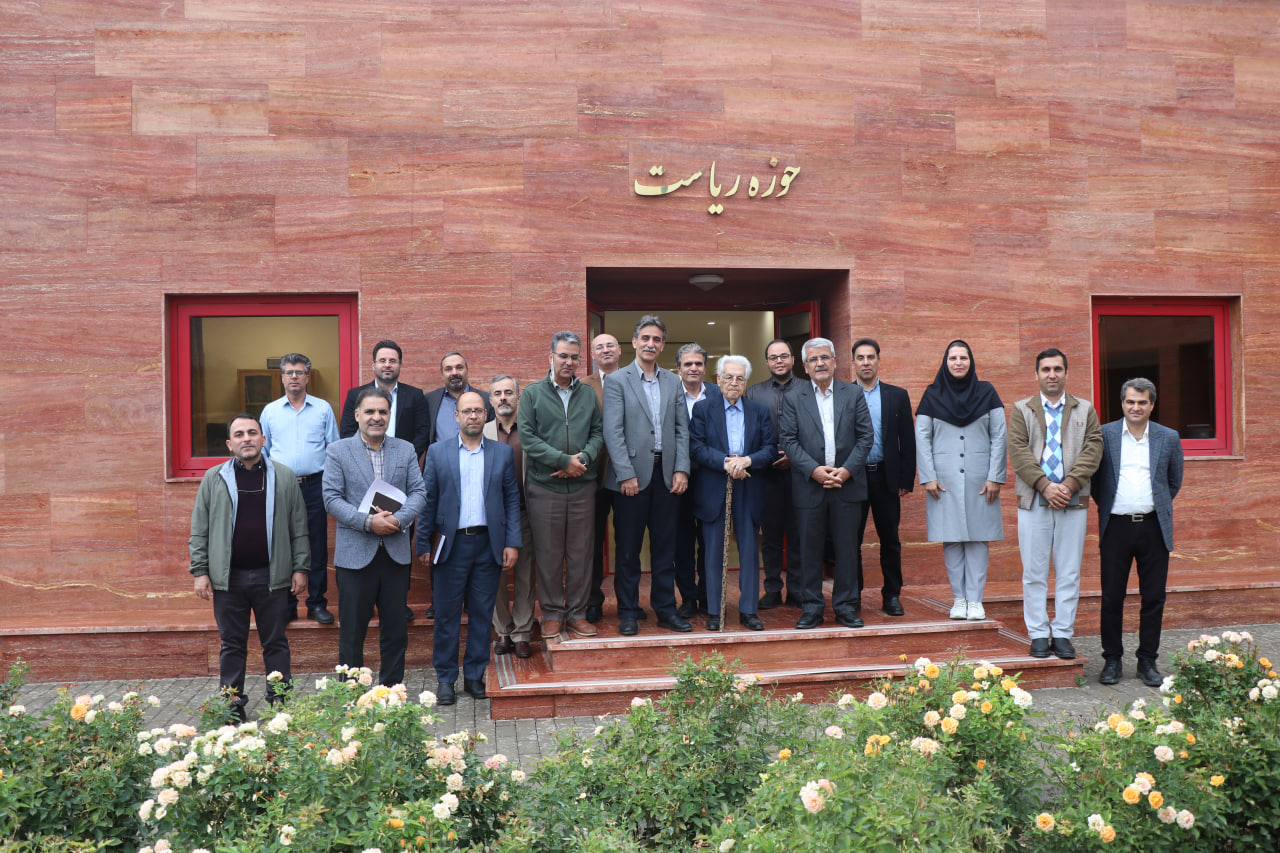
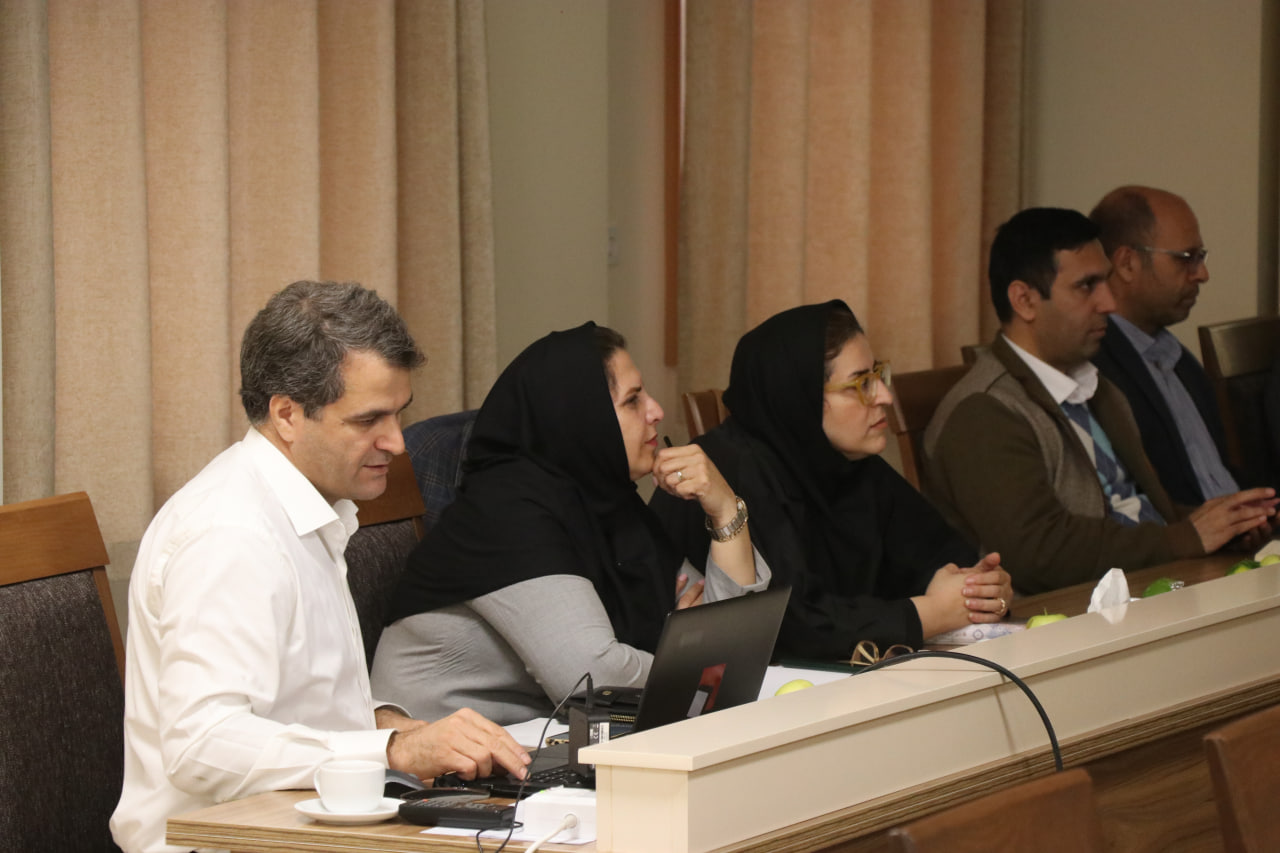
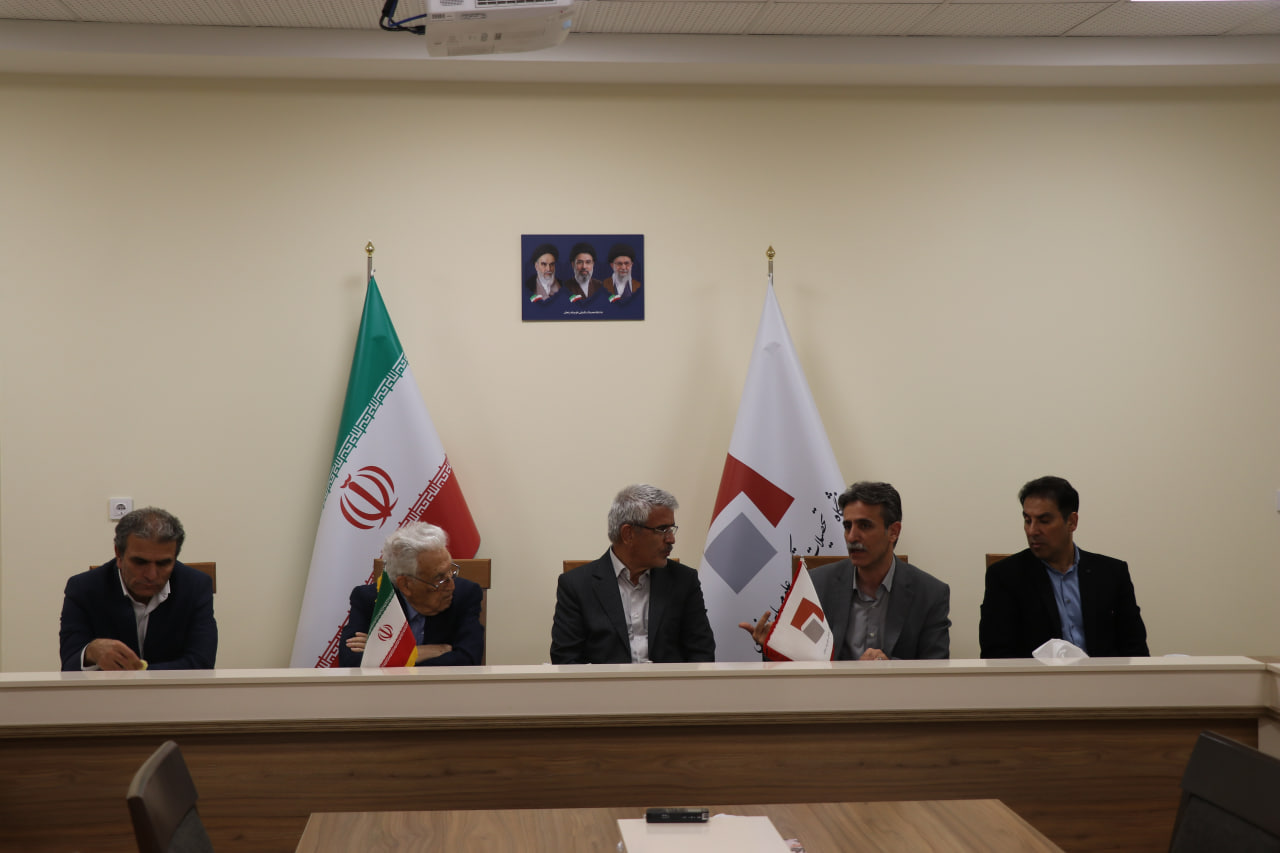
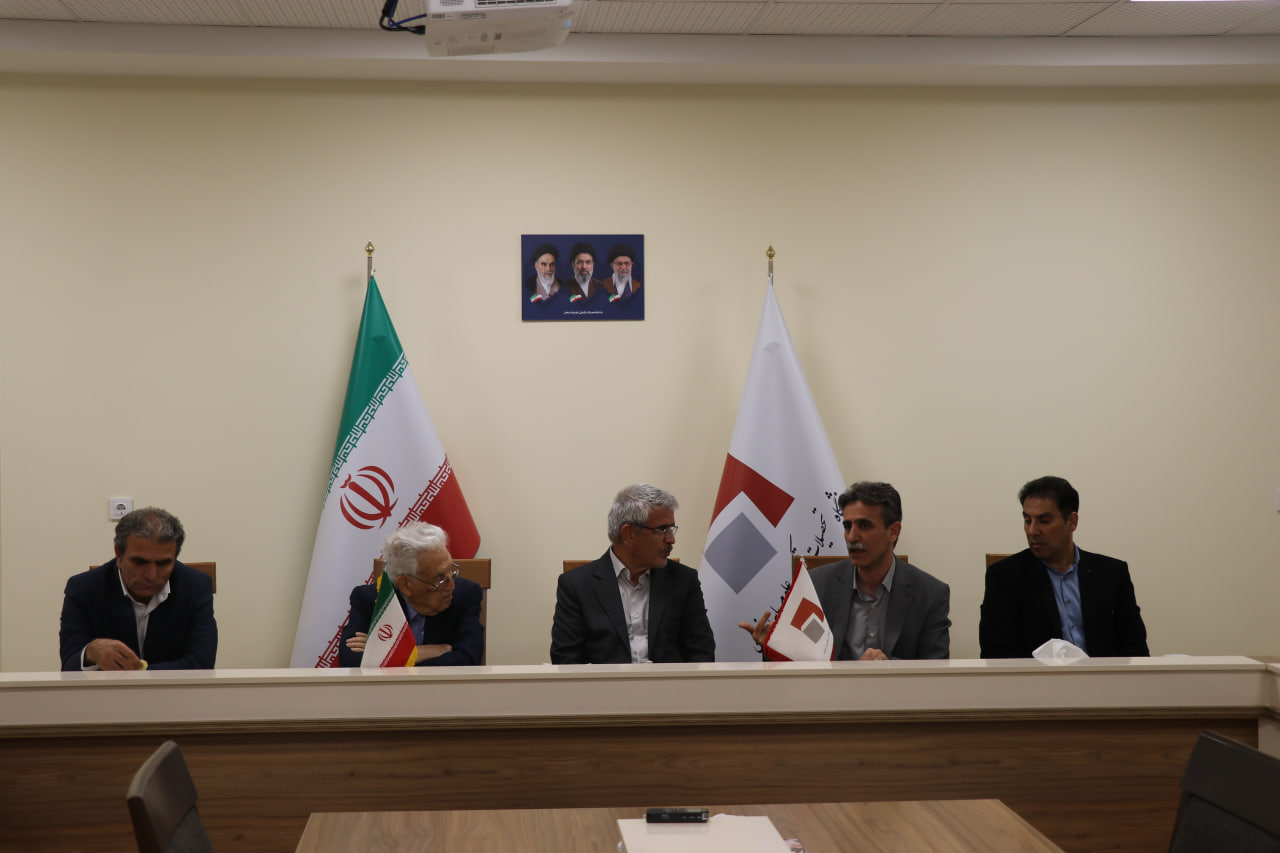
According to Public Relations at the Institute for Advanced Studies in Basic Sciences (IASBS), a meeting between the IASBS President, Prof Sadollah Nasiri Gheydari, and the Deputy for Construction and Education at Iran’s Plan and Budget Organisation, Mr Hossein Shafiee, has been held. During the meeting, which took place on Wednesday, 7 October 2026, with the university founder, Prof Yousef Sobouti, and a group of officials and faculty members in attendance, the university’s scientific and research strengths, progress on construction projects, and requirements for developing its research infrastructure were examined.
Participants reviewed the university’s establishment and development and its work in education and research. They emphasised the need for targeted support for scientific infrastructure, completion of construction projects, and the use of the university’s specialist expertise to advance basic sciences and advanced technologies.
IASBS President: Academic quality is central to university development
The IASBS President, Prof Sadollah Nasiri Gheydari, thanked those who had supported the university’s construction and infrastructure projects. He said that, since its establishment, IASBS had focused on improving the quality of education and research and avoiding quantitative expansion without a sound scientific basis. This approach had been pursued under the guidance of the university founder, Prof Yousef Sobouti, and through the efforts of faculty members and the wider university community.
Referring to the university’s standing in several national scientific and research indicators, the IASBS President cited faculty members’ research, laboratory capacity, and the university’s participation in national basic sciences programmes as among its strengths. He stressed the importance of continuing along this path.
The IASBS President also highlighted the university’s role in advancing basic sciences, scientific cooperation, programmes linked to UNESCO, and higher education policy-making. He noted that the university’s experience showed that an influential scientific institution could be established outside the capital through strategic planning, the recruitment of capable staff, and a focus on quality.
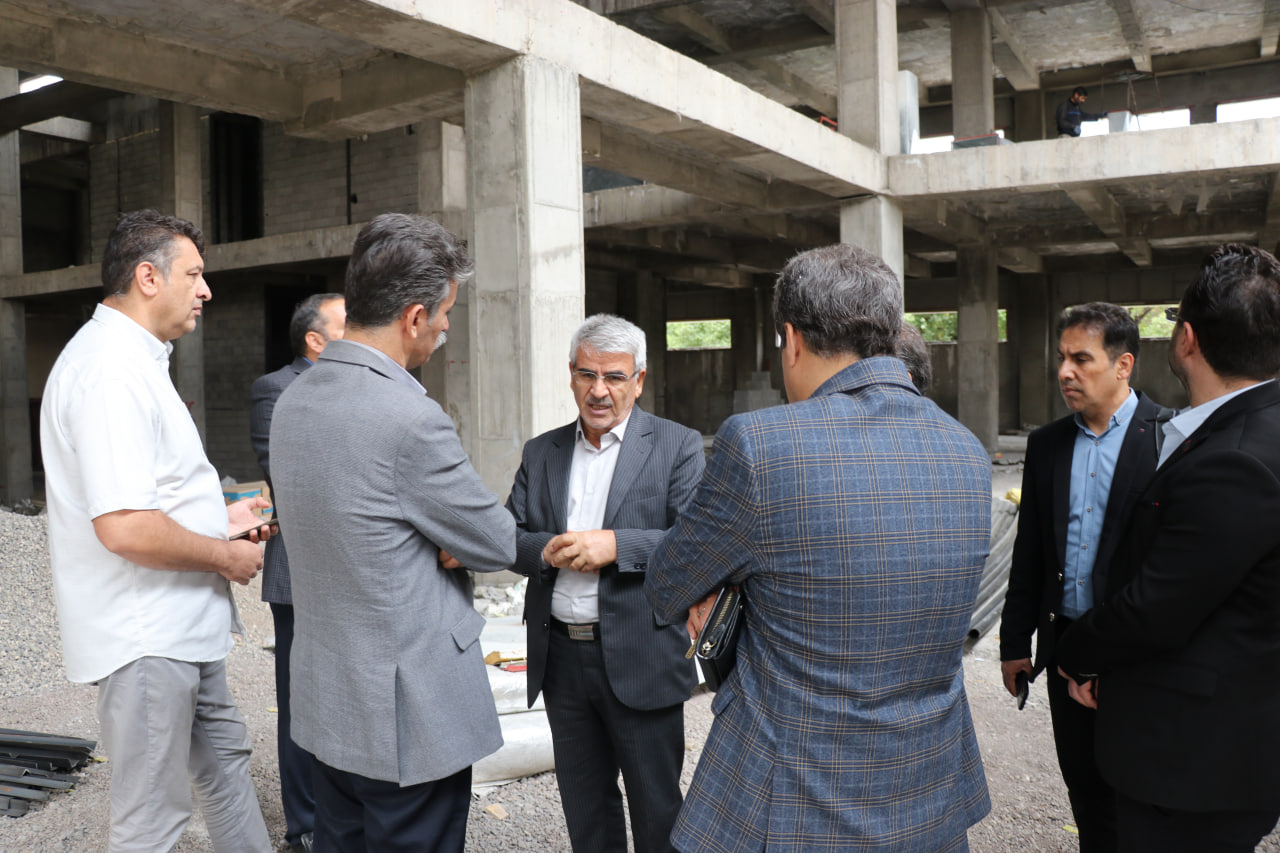
The IASBS President went on to mention several construction and infrastructure projects, including the Biological Sciences building, laboratories, the library, the conference hall, accommodation for married students, the Science and Technology Park, and spaces required by the university’s Departments. He said that support from the Plan and Budget Organisation had helped advance these projects.
Drawing on the timely provision and allocation of funds for the Biological Sciences building, he stressed the importance of scheduling funding appropriately and allocating resources in line with project timetables. He expressed hope that continued support would enable the remaining projects, including the Chemistry Department extension and the university’s central building, to be completed.
University founder: The university was built on a long-term vision
The university founder, Prof Yousef Sobouti, recalled the early efforts to establish the university and spoke about the difficulties of creating such an institution within the country’s administrative system.
Referring to initial discussions about how long it would take to establish the university, he described its lengthy development. More than three decades after this process began, he stressed the complexity of the work and the sustained effort required to establish and develop a scientific institution.
Deputy for Construction and Education: Support for the university’s specialist strengths is essential
The Deputy for Construction and Education at Iran’s Plan and Budget Organisation, Eng Hossein Shafiee, spoke of his longstanding connection with the university. He welcomed the opportunity to visit its different sections and speak with officials and faculty members to gain a fuller understanding of its capabilities and needs.
Emphasising the importance of quality in higher education, he said that successful academic institutions were built on a sound vision, long-term planning, the recruitment of capable staff, and commitment to specialist missions. He described IASBS as an example of scientific capacity built on this approach.
Drawing on his experience of working on some of the university’s construction projects, the Deputy for Construction and Education stressed the need to recognise the university’s distinct mission and identify strengths that could support its scientific and technological development.
Referring to the university’s proposal to develop research infrastructure in advanced optoelectronics and photonics, he recommended presenting and pursuing the university’s capabilities within national technology missions and through relevant support mechanisms. He also said he was ready to pursue the matter with the responsible bodies.
University’s scientific strengths and development projects presented
The university’s Director of Planning and Programmes, Mr Heydari, presented a report on the university’s scientific, research, and infrastructure capabilities, as well as the status of its construction projects.
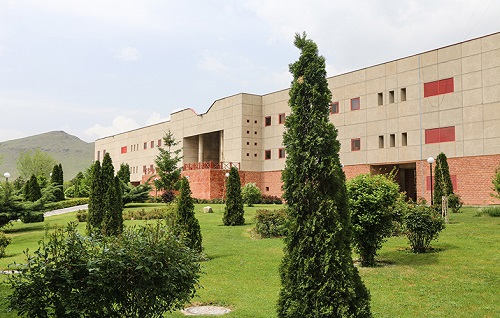
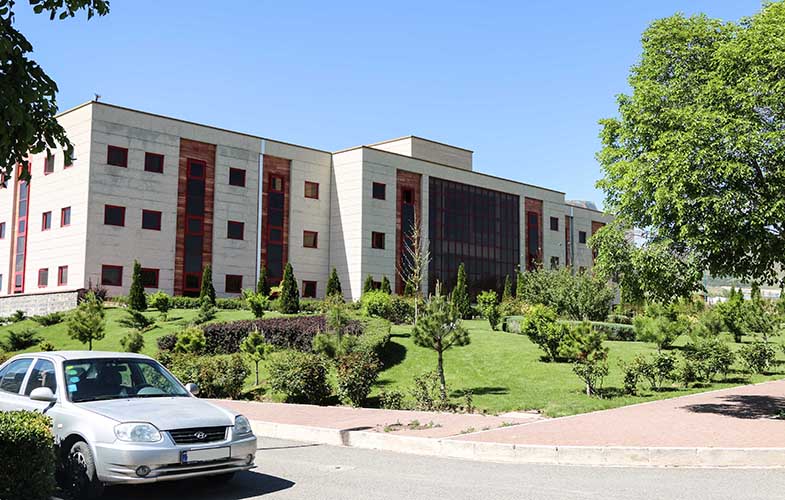
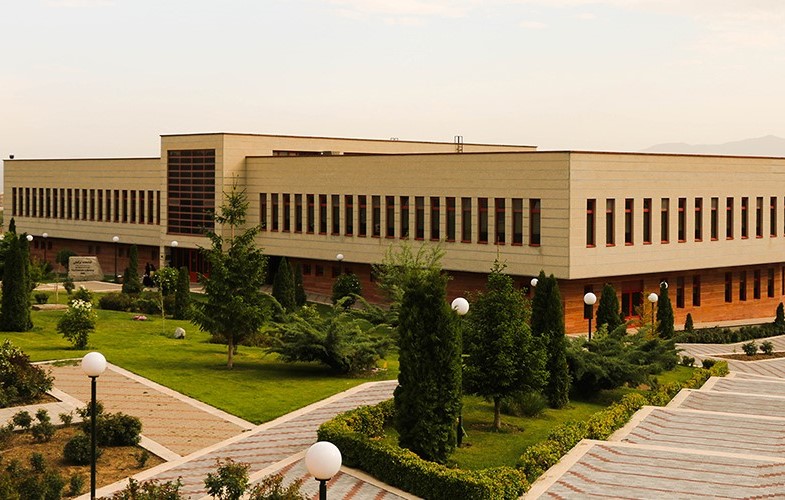
According to the report, the university has about 73,377 square metres of operational space. Work to complete accommodation for married students and the conference hall, with a combined floor area of about 3,800 square metres, is on the agenda. The Chemistry Department extension, with a floor area of about 3,500 square metres, and the university’s central building, with about 2,100 square metres, were also identified as planned infrastructure projects.
The report also covered the university’s position in several scientific and research rankings, its faculty members’ capabilities, laboratory activities, and international cooperation. It described how previous support from the Plan and Budget Organisation had helped advance projects including the development of the Department of Mathematical Sciences, the Growth Centre, and the Earth and Life Sciences Department building.
National reference laboratory for advanced optoelectronics and photonics presented
A key subject at the meeting was the proposed national reference laboratory for advanced optoelectronics and photonics, which was presented by the university’s scientific representative.
The presentation noted that the university’s proposal had been selected from among those submitted to establish reference laboratories. It outlined the laboratory’s capabilities in areas including microelectronics and advanced materials, quantum photonics, and optical metrology.
According to the presentation, establishing this infrastructure could support advanced research, strengthen the country’s scientific capabilities, and provide specialist services to universities and industry. The university’s capacity to host the laboratory and its equipment requirements were also discussed.
Continued support for the university’s scientific development emphasised
In closing, the IASBS President, Prof Sadollah Nasiri Gheydari, stressed the importance of recognising the university’s relative strengths and focusing on specialist fields. He described the proposed national reference laboratory for advanced optoelectronics and photonics as an important part of developing the university’s research infrastructure and emphasised the need to pursue the project.
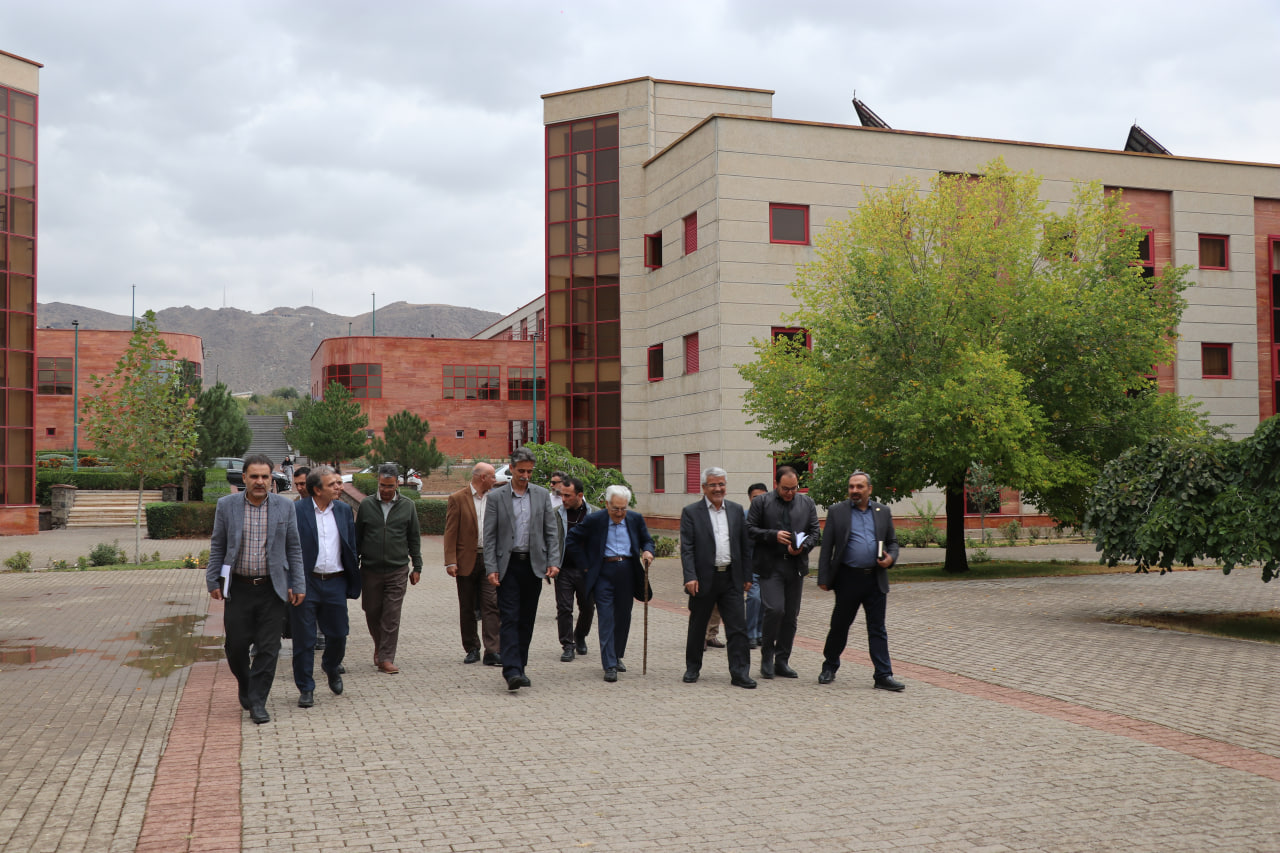
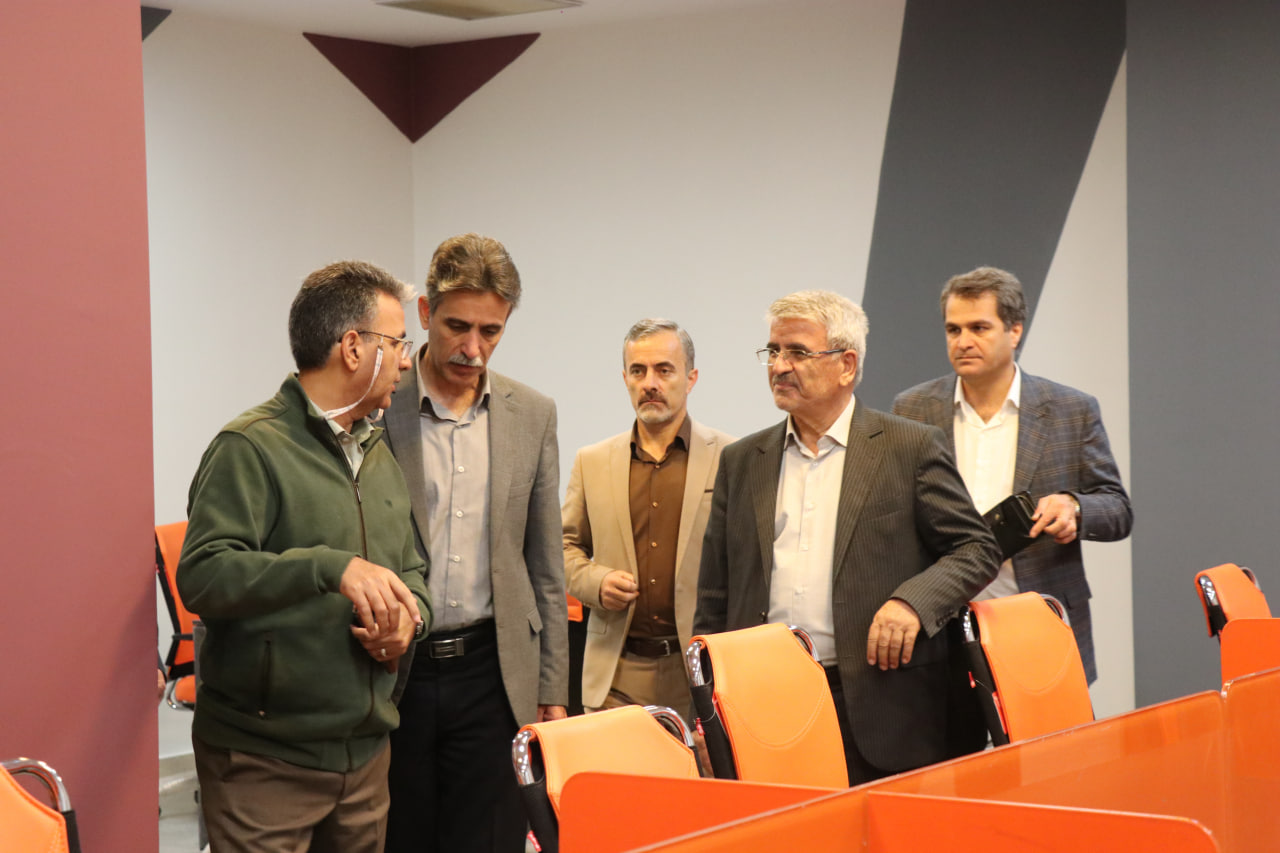
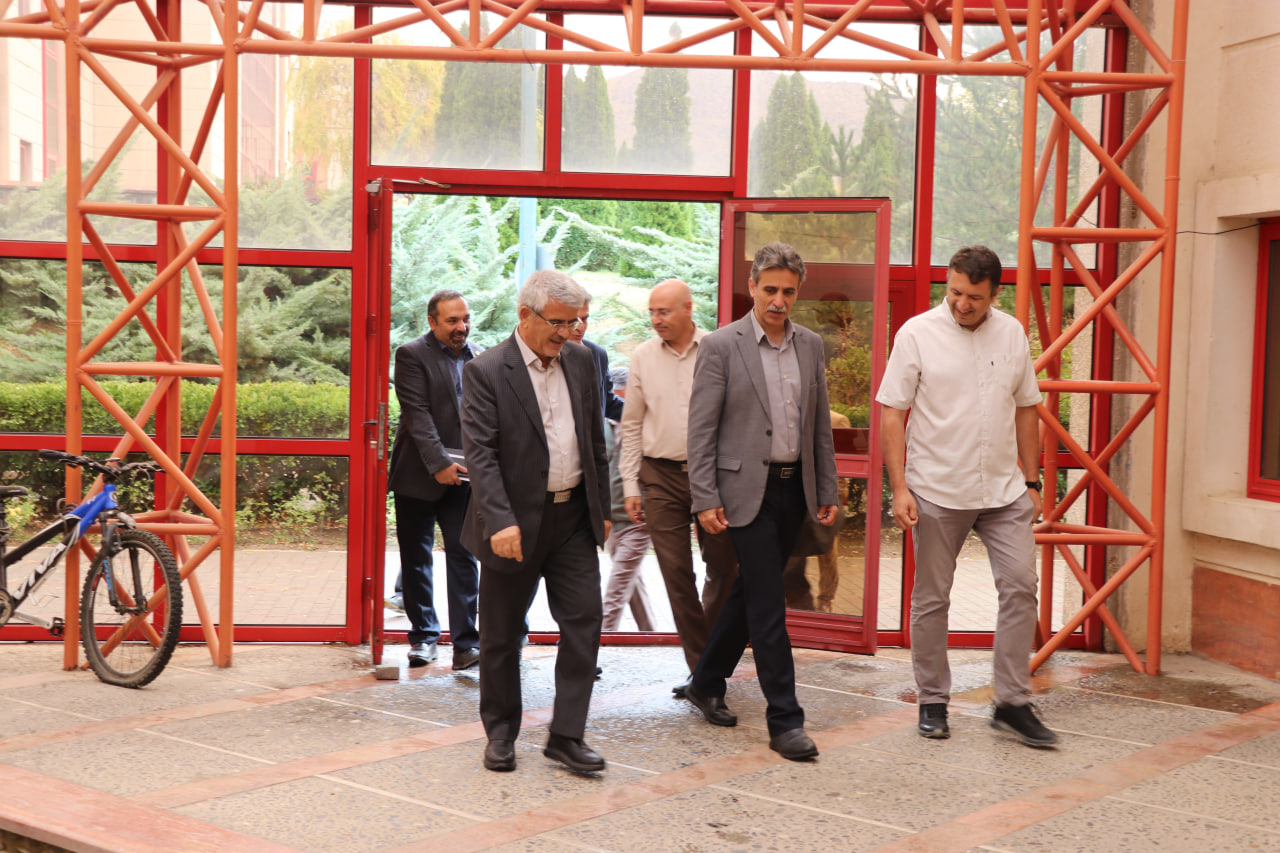
Before the meeting, the Deputy for Construction and Education at Iran’s Plan and Budget Organisation, Mr Hossein Shafiee, accompanied by the IASBS President and a group of university officials, visited the university’s Science and Technology Park and learned about its projects, activities, and capabilities.
Capabilities of the 3D Microscopy and Structured Beams Laboratory presented
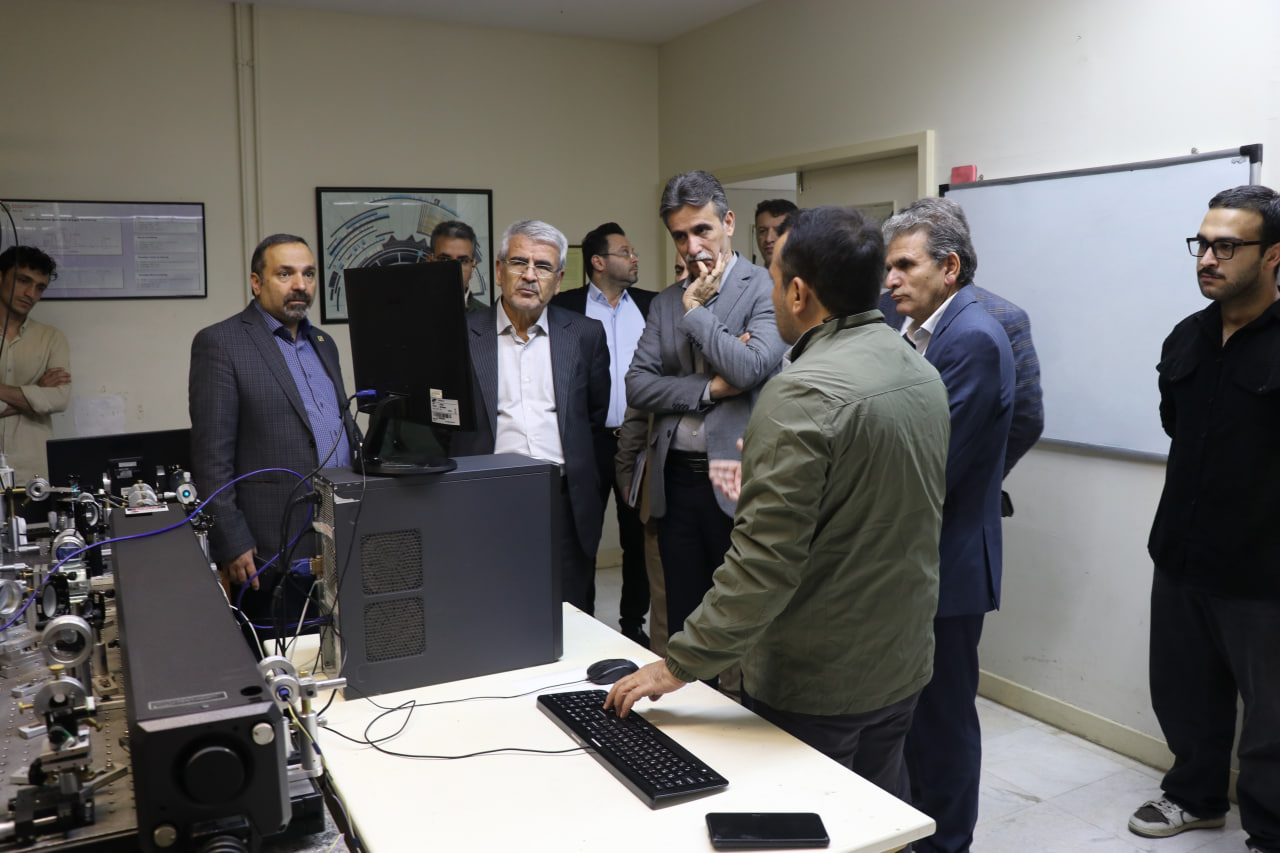
During the visits, the capabilities of the university’s 3D Microscopy and Structured Beams Laboratory were presented. The researcher, Dr Abdollahpour, outlined its work in advanced microscopy, particularly confocal and light-sheet microscopy.
The laboratory has carried out three-dimensional imaging of healthy and cancerous cells, as well as the examination and identification of infected cells using optical methods. Confocal and light-sheet microscopy offer new possibilities for biological and medical research, focusing respectively on improving image resolution and increasing imaging speed.
Dr Abdollahpour, also said that the confocal microscopy technology was ready for commercialisation, citing the systems’ technical sophistication and use of state-of-the-art methods. The system could be developed and marketed with substantially less investment than comparable foreign systems. Through research partnerships and specialist services, this equipment could also meet some of the needs of medical and biology departments.
Visit to Amir-Alam Ghazanfarian Electronic Materials Laboratory
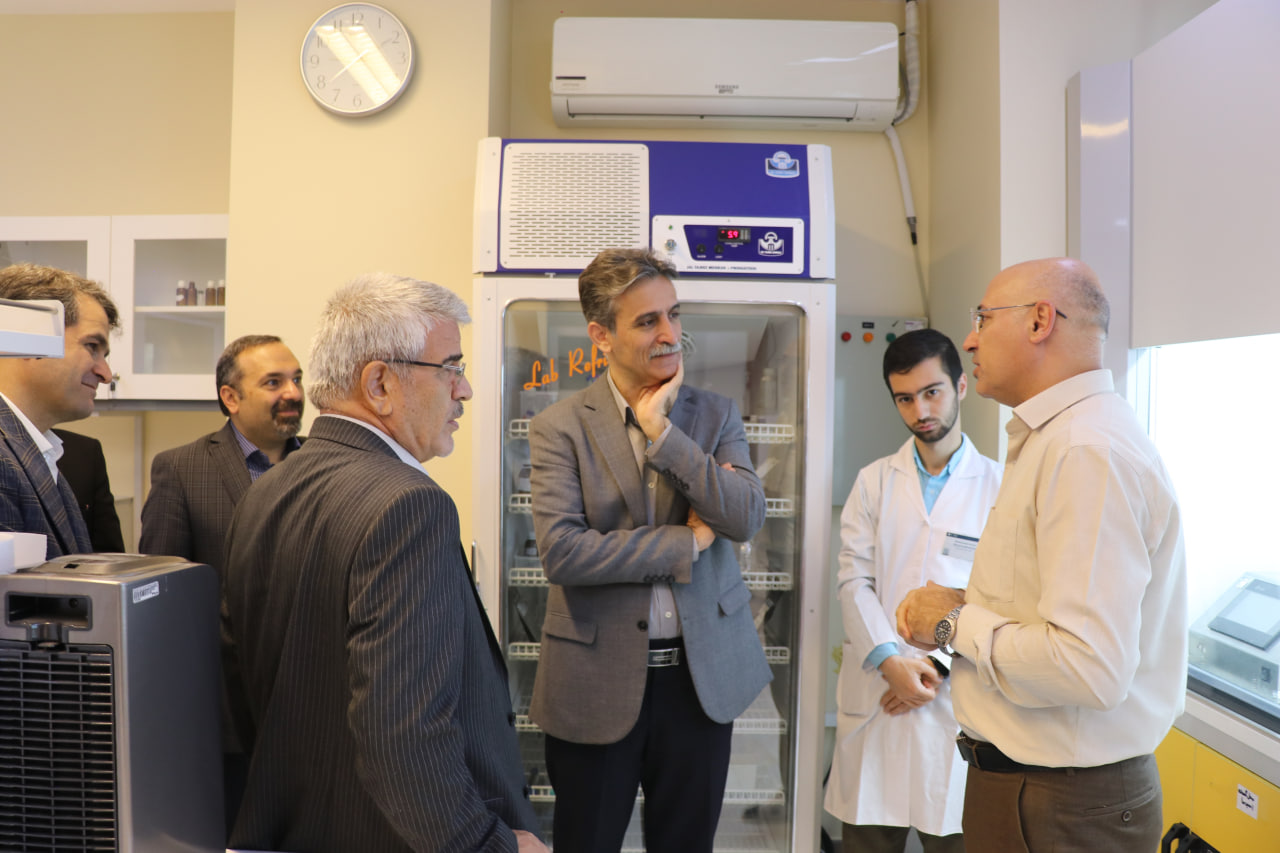
The Deputy for Construction and Education at Iran’s Plan and Budget Organisation, Mr Hossein Shafiei, accompanied by the IASBS President, and the head of the Amir-Alam Ghazanfarian Electronic Materials Laboratory, Dr Davood Abbaszadeh, toured the laboratory and learned about its scientific and research capabilities in strategic technology fields.
The laboratory’s capabilities were presented in developing a new generation of advanced energy-storage systems, including supercapacitors; manufacturing a new generation of solar cells; and advancing technologies for artificial intelligence infrastructure, electronics, and microelectronics.
The IASBS President and Dr Abbaszadeh highlighted the importance of expanding research activity and using the laboratory’s capabilities to carry out national projects and address the country’s technological needs. They also said that support from the Plan and Budget Organisation had helped strengthen research infrastructure and advance these projects.
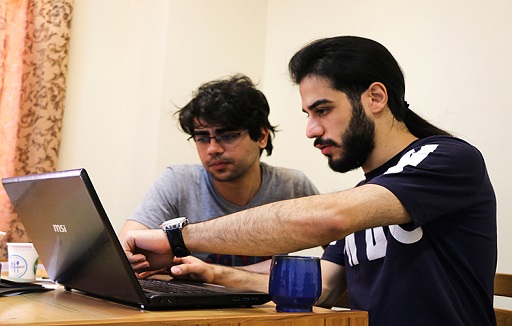
The Deputy for Construction and Education also visited different parts of the laboratory, met students engaged in research, and learned first-hand about the centre’s achievements and future plans.
Fri, 09 Oct 2026
Developed by the IASBS Computer Centre
IP Address:[216.73.217.122] Browser: Mozilla/5.0 AppleWebKit/537.36 (KHTML, like Gecko; compatible; ClaudeBot/1.0; +claudebot@anthropic.com)