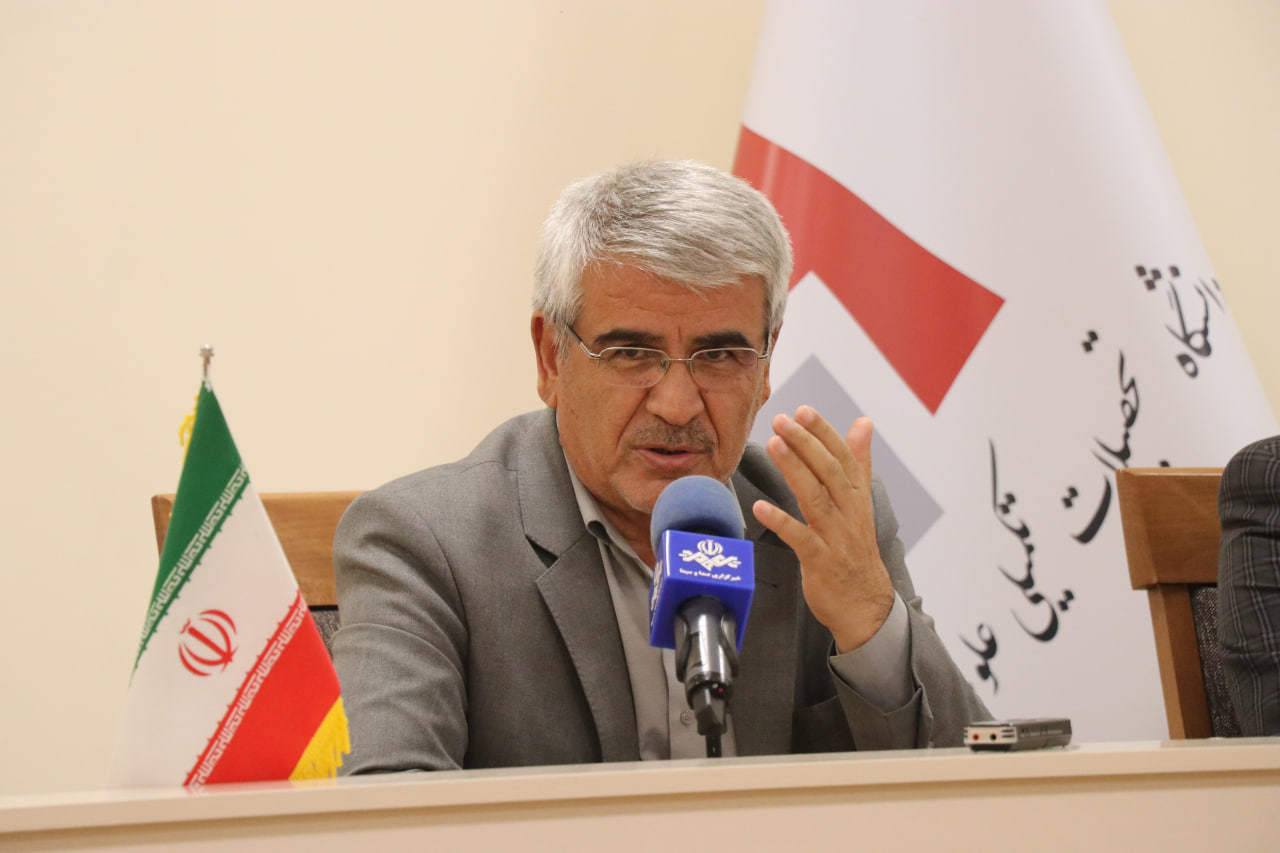
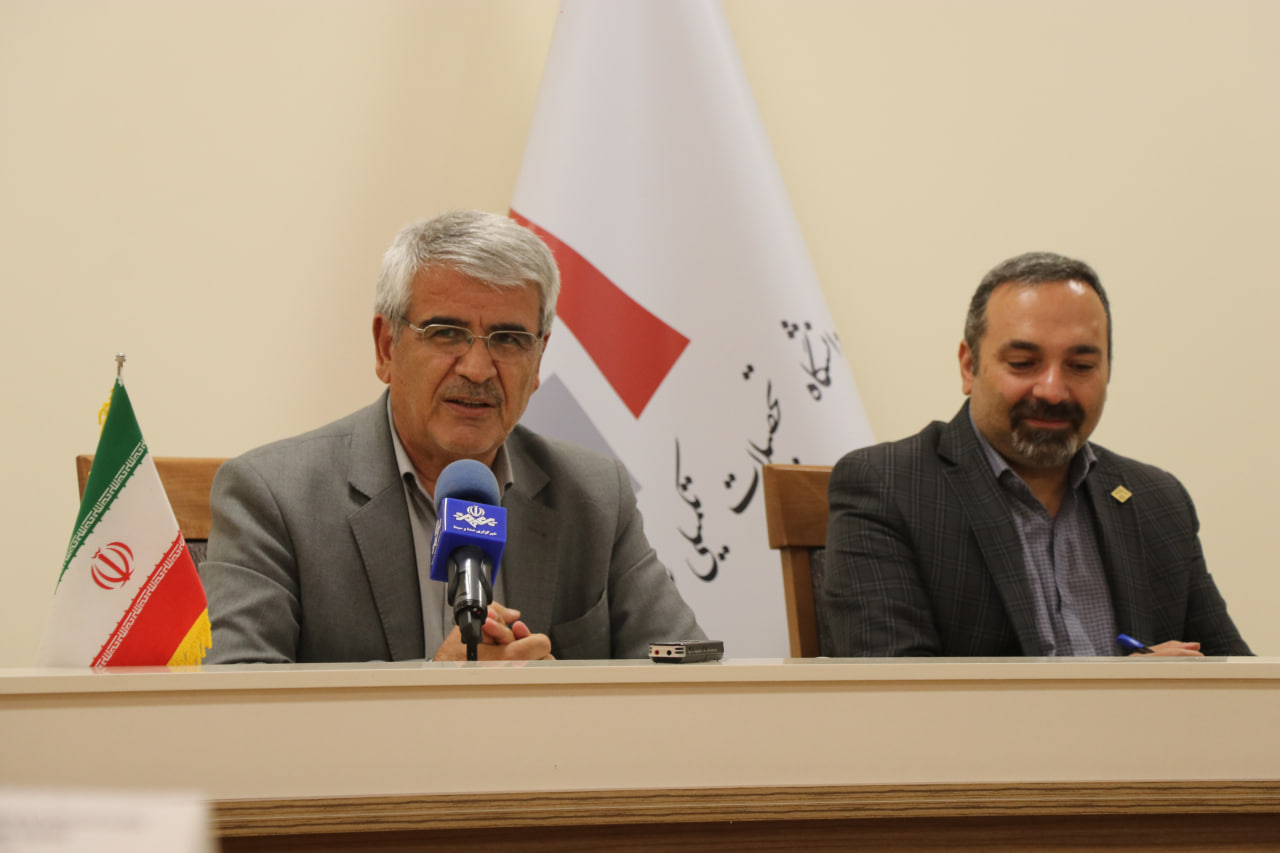
The IASBS President, Prof Sadollah Nasiri Gheydari, has outlined the university’s key infrastructure, research, industry engagement, technology development, cultural and social initiatives, and student support programmes, stressing the need to strengthen the position of basic sciences, expand links between the university, society, and industry, support talented individuals, and enable universities to contribute to the country’s comprehensive development.
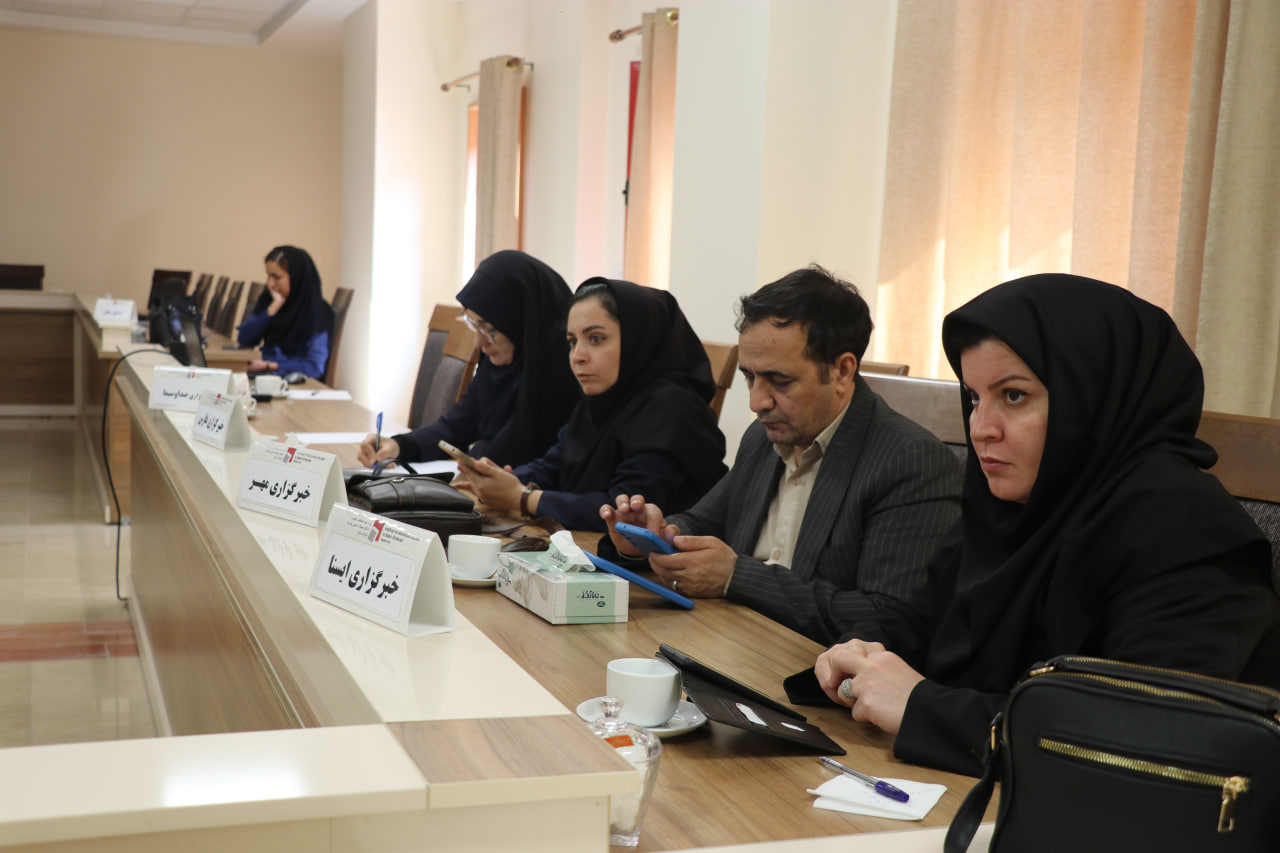
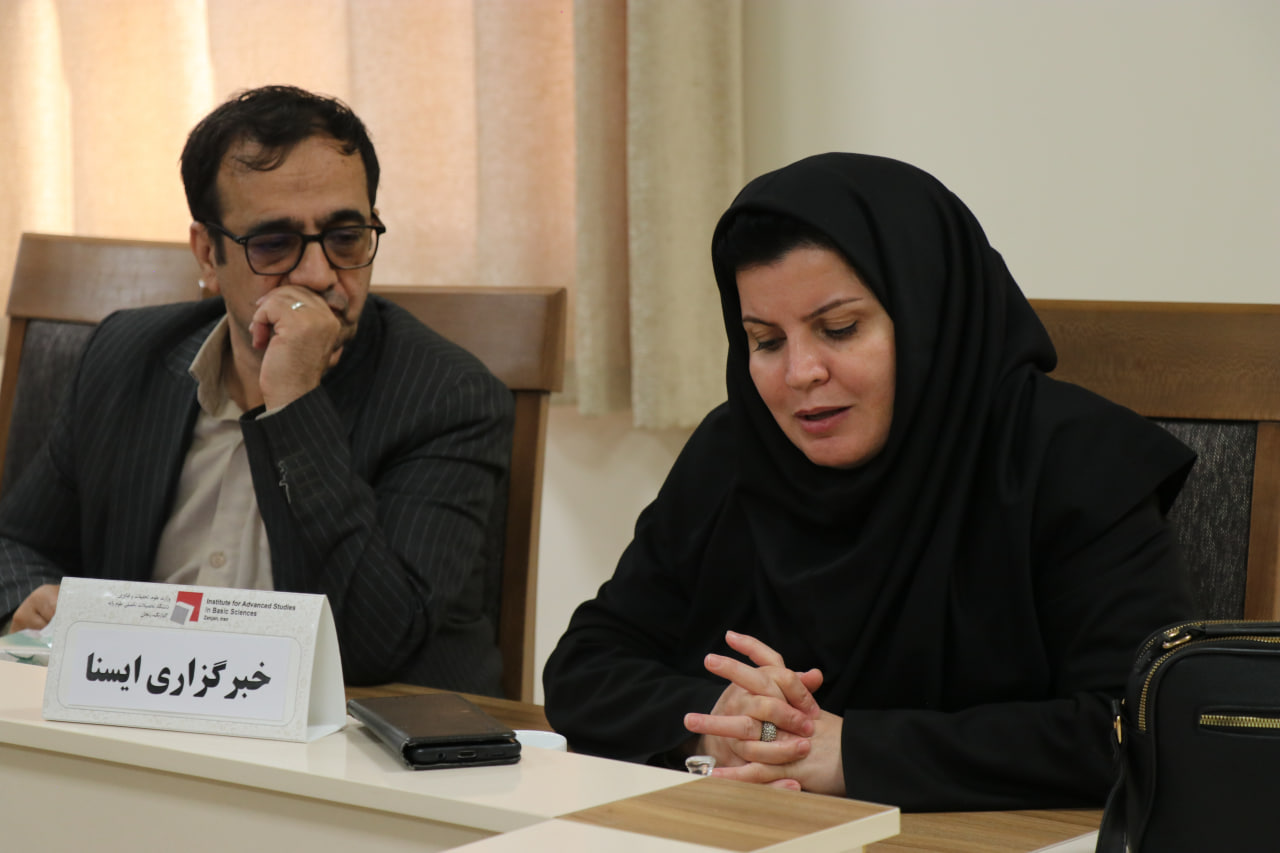
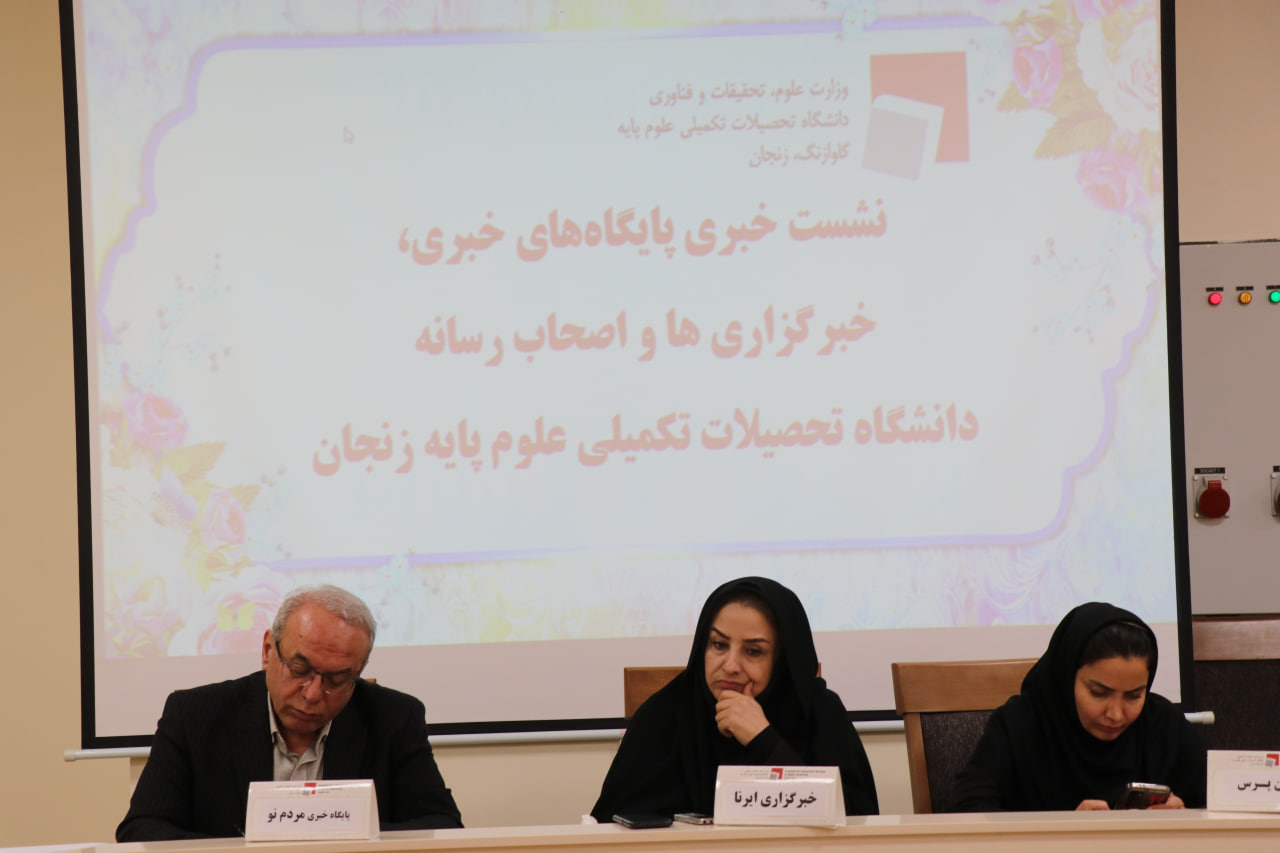
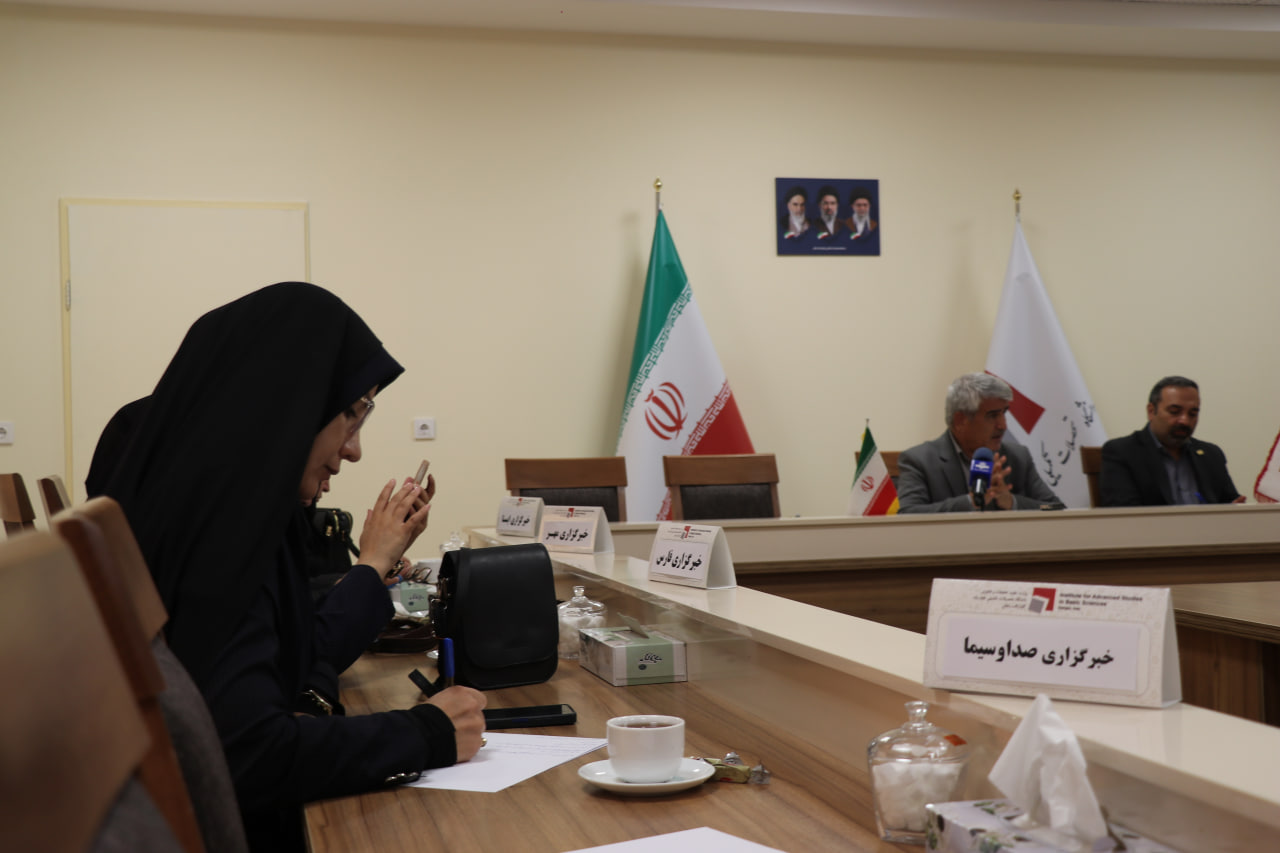
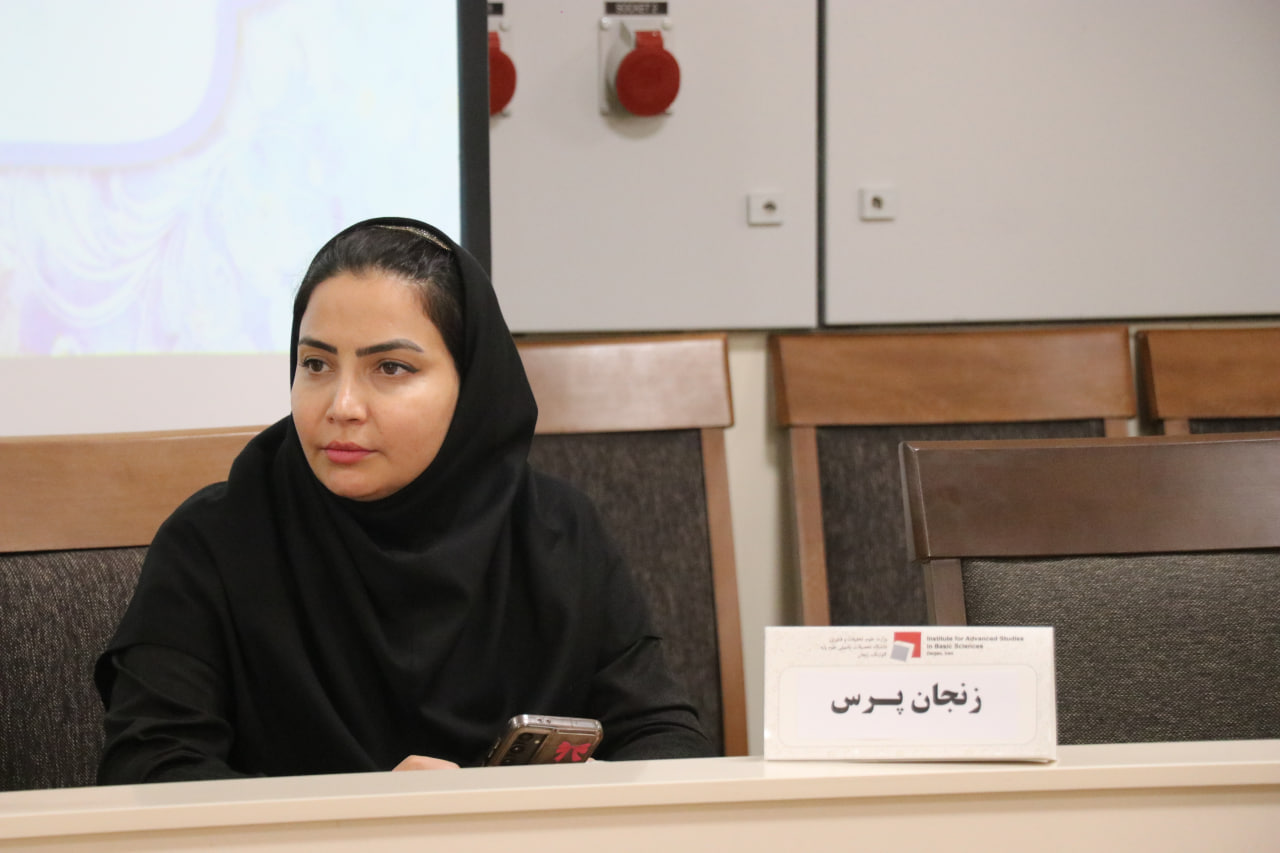
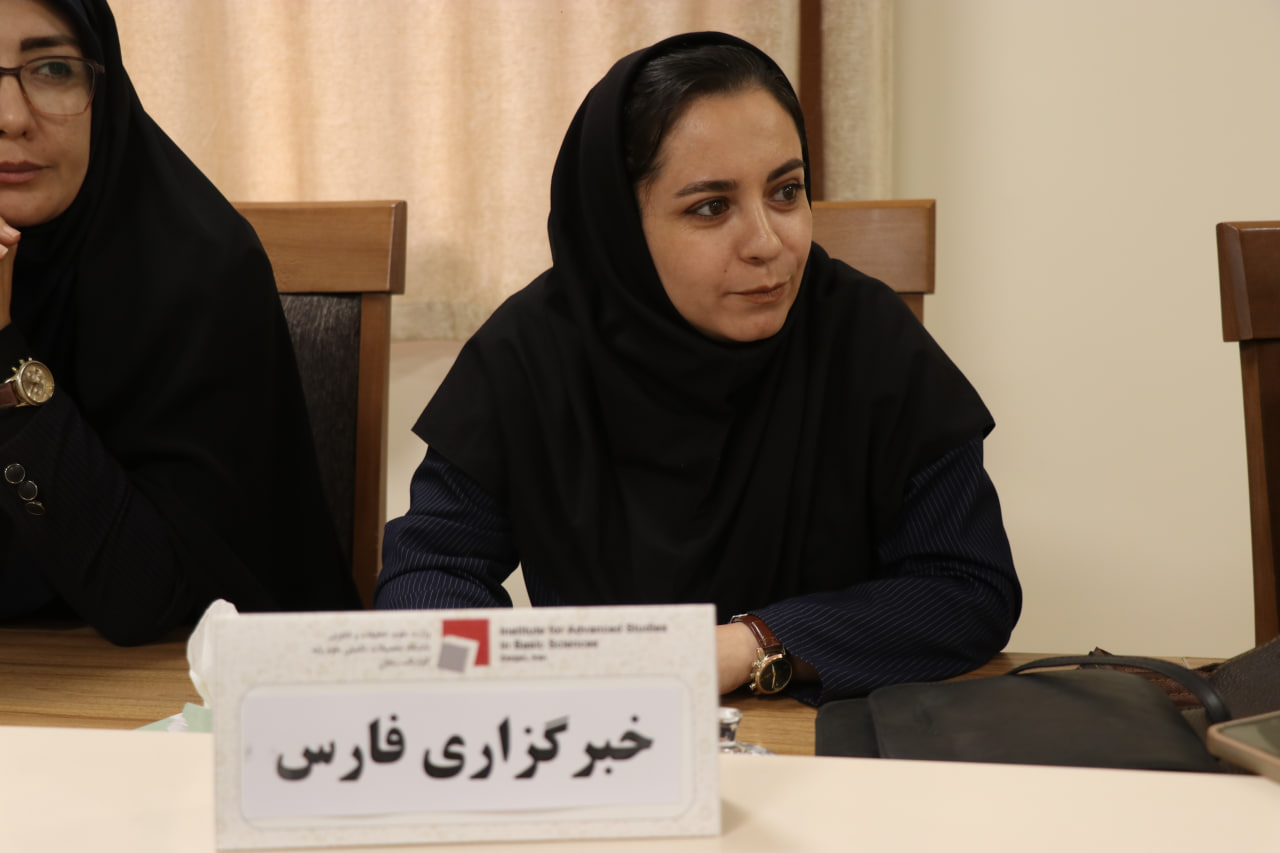
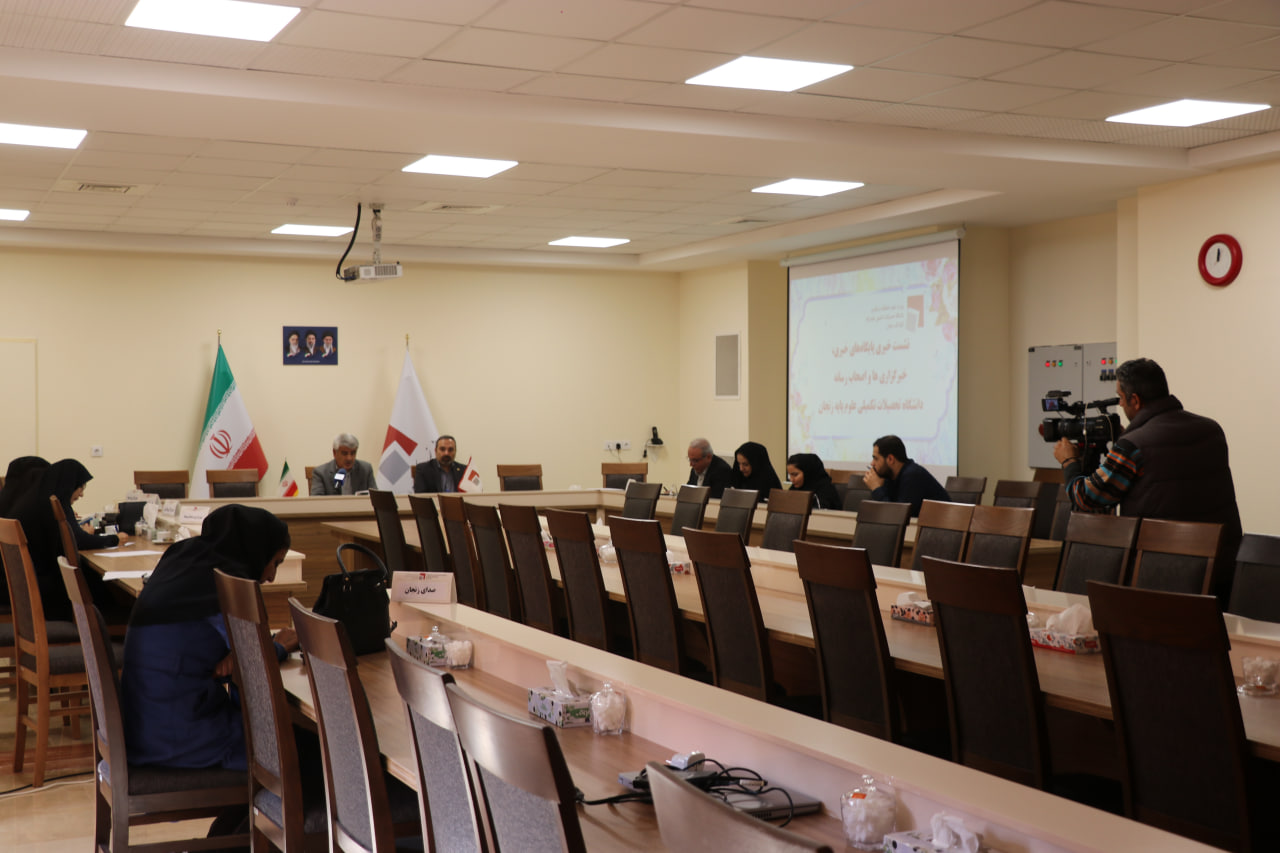
According to the IASBS Public Relations Office, the press briefing was held on Tuesday, 13 October 2026, with a group of journalists and media representatives in attendance. The president gave an account of the university’s work and forthcoming plans, then answered questions about the position of basic sciences, graduate employment, the migration of talented people, international student recruitment, university-industry relations, and environmental issues in the province.
Emphasis on ongoing engagement between university and media
At the start of the briefing, the IASBS President, Prof Sadollah Nasiri Gheydari, welcomed the media representatives and thanked journalists for their role in raising public awareness, strengthening public trust, reporting scientific achievements, and building effective links between the university and society.
Referring to the importance of press briefings and direct dialogue with the media, he described such engagement as an opportunity to explain the university’s activities, receive public feedback, identify weaknesses, and build on strengths. He stressed the need for sustained and constructive relations between the university and the media.
The president also spoke about the importance of ethics in science, saying that scientific development should serve people and society, and that scientific achievements are valuable when accompanied by responsibility and ethical conduct. Remembering the country’s martyred scientists, he emphasised the need to advance beneficial science and use knowledge to address human and social challenges.
Developing university infrastructure and opening the Department of Biological Sciences
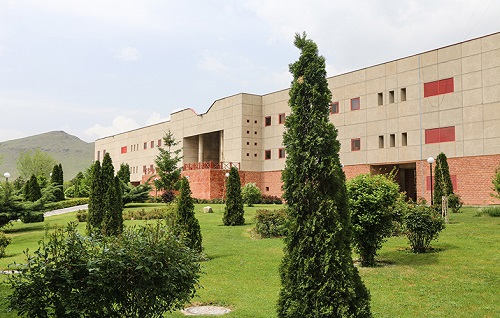
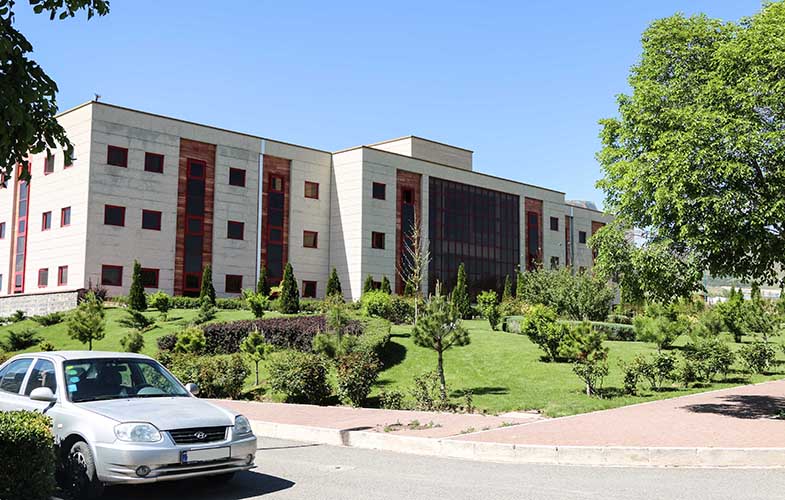
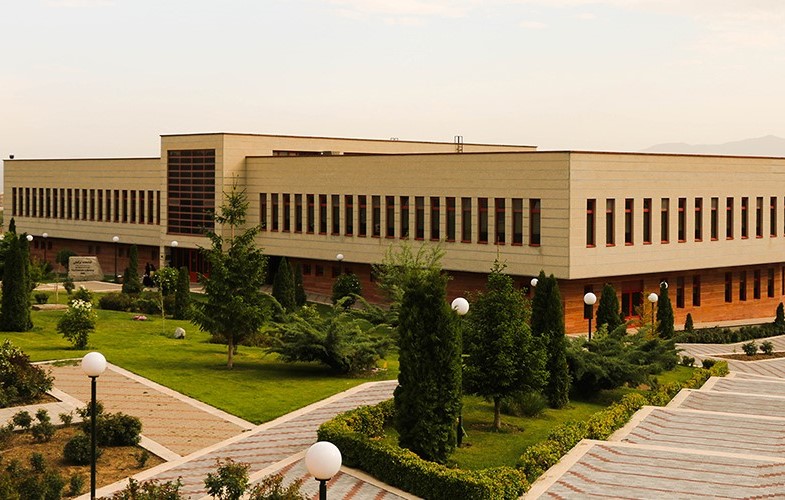
In discussing infrastructure projects, the IASBS President described the opening of the Department of Biological Sciences as one of the year’s major achievements. The building, with a floor area of about 7,200 square metres, opened on 28 May 2026 after approximately seven years of construction, in the presence of the Minister of Science, Research and Technology.
He said the project was valued at about 600 billion tomans at the time of the briefing. Space for a central laboratory has also been planned on the building’s lower floor, creating scope to expand the university’s laboratory infrastructure. During the Minister’s visit, 10 billion tomans was allocated for laboratory furniture and equipment.
The president said that, with the opening of the Department of Biological Sciences, construction of a new department was not currently planned. The university would, however, continue to develop its infrastructure, including through a central building, expanded student accommodation, and new laboratory and technology spaces.
Referring to the university’s standing in national higher education indicators, he cited several research and laboratory rankings. According to the assessment he referred to, the university ranks fifth in the Nature Index, while its laboratories rank first in the province.
The president also reported the opening of an inductively coupled plasma mass spectrometry laboratory and a circular dichroism spectroscopy laboratory. He outlined the equipment’s uses in identifying and analysing materials, meeting research and industrial needs, and carrying out specialist investigations required by government agencies.
Pursuing a national reference laboratory in Zanjan
The IASBS President said the university had submitted a proposal to establish a national reference laboratory. The proposal was selected from among 90 submitted nationwide and, after approval by the Ministry of Science and the Vice-Presidency for Science, Technology and the Knowledge-Based Economy, was sent to the Plan and Budget Organisation for funding.
He called for greater confidence in the scientific capacity of universities outside the capital, saying Zanjan could also host scientific and laboratory infrastructure serving the country as a whole.
In this connection, the president called on the province’s industries to link their research contracts and research and development work with local university expertise. Referring to tax-credit provisions in the Knowledge-Based Production Leap Law, he stressed the need to use these provisions to support research and technology development at universities.
He also reported joint efforts by universities, the National Elites Foundation, provincial officials, and industry managers to strengthen university-industry relations. He said continued meetings of this kind were essential for identifying industries’ real needs and finding scientific solutions.
As part of the infrastructure report, the president said that a hall in the Department of Earth Sciences had been equipped and named after the university’s martyred student, Dr Seyyed Jaber Ghaffari. He said the Provincial Plan and Budget Organisation had pledged 2.5 billion tomans for the work, with the Ministry of Science pledging the same amount.
Expanding student accommodation, support, and welfare facilities
The IASBS President, Prof Sadollah Nasiri Gheydari, outlined the university’s welfare initiatives, including a project to build accommodation for married students. The building will cover about 2,000 square metres, have three floors, and include 14 units on each floor.
He said the project was under way in collaboration with the Student Affairs Organisation and the Student Welfare Fund, and was more than 50 per cent complete. Securing the remaining government funding to finish the building was among the university’s priorities. The president stressed the importance of providing accommodation for married students in supporting marriage among students and improving their living conditions.
Other measures discussed at the briefing included completing the university’s clay-court tennis facility, which was about 80 to 90 per cent complete, and opening a university kiosk and shop beside the refectory.
The president also reported the establishment of a student council at the university for the first time. He described it as a forum for direct dialogue with elected student representatives and for addressing issues related to welfare, food, teaching, research, and support for educational and research activities.
Expanding the Science and Technology Park and supporting knowledge-based companies
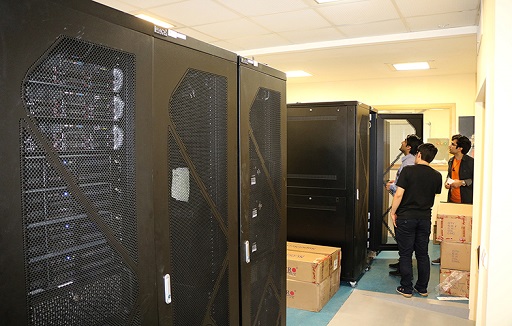
In outlining technology development plans, Prof Nasiri Gheydari said the university was planning an information and communications technology tower centred on a data centre, with an estimated investment of about 2 trillion tomans. An initial agreement had been reached for private-sector investment of 1 trillion tomans in the first phase.
A memorandum of understanding was also signed in the presence of the Vice-President for Science, Technology and the Knowledge-Based Economy, the Governor-General of Zanjan, and the managing director of Pars Switch. It provides for 300 billion tomans in tax credits to establish another technology facility at the university. The facility is intended to support the Science and Technology Park and provide space for knowledge-based companies.
The president said the university planned to establish innovation centres in each of its six departments. Each department had allocated 400 square metres, adding a total of 2,400 square metres of innovation and technology space.
He also reported plans to lease land to knowledge-based companies on a long-term basis and establish multi-purpose facilities for smaller businesses. The construction of industrial units required by knowledge-based companies, with support from the Ministry of Science, was another part of the university’s plans to develop its Science and Technology Park.
Strengthening university-industry links and developing research to address practical needs
The IASBS President, Prof Sadollah Nasiri Gheydari, referred to visits to Iran Transfo, Pars Switch, Rasha Caspian, Golrang, Minoo, and other industrial organisations. He said the visits were intended to help faculty members learn directly about industry needs and identify problems that research could address.
About 15 per cent of the university’s faculty members currently have joint projects with industry or the wider community, he said, adding that the university was working to increase this proportion. Projects mentioned included an assessment of water resource management in Zanjan and research into the behaviour of faults in the province.
The president also reported the launch of the university’s specialist training centre, which provides training for staff at government agencies, institutions, and companies. The establishment of a Digital Transformation Research Institute, in response to the growing importance of digital technologies and artificial intelligence, was another initiative intended to meet the province’s scientific and technological needs.
Responding to a question about the practical benefits of the university’s work for industry, the president referred to the Science and Technology Park and products that were already being used in areas including agriculture, livestock farming, and animal feed. He also discussed applications of university research in material identification and the development of electronic technologies. He acknowledged the contribution of benefactors to the university’s scientific and educational infrastructure, including its library, refectory, mosque, conference hall, and laboratories.
Scientific assessment of environmental issues and the lead and zinc industries
Responding to a question about possible pollution from Zanjan’s lead and zinc industries, the IASBS President stressed the need for a comprehensive scientific assessment. He said that the health of the public and the environment, as well as the industry’s economic importance and contribution to employment, should all be considered.
He proposed coordinated specialist studies of air, water, and soil quality using the university’s expertise. He said the university had the equipment and specialists to carry out some of this work, and could also use LiDAR technology to monitor air pollution.
The president also proposed establishing a specialist unit in mining health, so that mining activities could be accompanied by more thorough assessments of their environmental effects. Referring to the experience of Saint Petersburg Mining University in Russia, he said the IASBS was ready to collaborate and draw on international expertise in this area.
He stressed that protecting the environment and public health was the priority, and said that drawing on universities’ expertise alongside industry could help address provincial challenges and support sustainable development.
Promoting science and holding Science Night
The IASBS President described science outreach and effective engagement between the university and society as key responsibilities of the university. He announced that Science Night would be held on 30 October 2026.
Referring to the university’s collaboration with the Iran National Science Foundation, he said the event would present the university’s scientific achievements to the public and explain scientific ideas in clear, accessible language. The university expected 15,000 to 20,000 people to attend, and the event’s success would depend on the cooperation of provincial organisations, the municipality, the national broadcaster, and the media.
Short scientific talks, interactive stands, engaging experiments for school pupils and university students, book presentations, a meeting with the distinguished scientist, Prof Yousef Sobouti, and cultural and artistic programmes were among the planned activities.
Prof Nasiri Gheydari also reported that the university’s Science House hosted about 4,000 to 5,000 school pupils from across the province each year. Alongside visiting the facility, pupils take part in experimental and educational activities. The Science House received the country’s first Science House Award this year.
He also mentioned the university’s Knowledge House, which introduces young children and primary-school pupils to scientific experiences and encourages curiosity. He stressed the importance of expanding science outreach for the next generation.
Social responsibility, cultural activities, and international scientific collaboration
In describing the university’s social and cultural work, the IASBS President, Prof Nasiri Gheydari, said that it had been named the country’s first water-friendly university last year. Measures included using plants that require little water, installing water-use sensors in some areas, and holding training courses with the Provincial Water and Wastewater Company.
He also reported that about 500 square metres of university land had been allocated to the Association for the Support of People with Autism, and that the university had held an Open Day to introduce the public to its facilities and expertise.
Other activities discussed at the briefing included events on the social responsibility of basic sciences, programmes for Book Week, public talks on scientific, literary, and cultural subjects, and meetings on science, ethics, and social responsibility.
Prof Nasiri Gheydari said that meetings on literature, art, and scientific and cultural figures were part of the university’s efforts to broaden the perspectives of basic sciences students and introduce them to other fields of knowledge.
He also reported the signing of a cooperation agreement with the International Centre for Chemical and Biological Sciences at the University of Karachi, Pakistan. Plans to develop scientific collaboration with China, Russia, Armenia, and several neighbouring countries were also under way.
In the field of academic publishing, the university had secured the necessary permits to publish two research journals, one on nanoscience and the other on climate change. Work was under way to form their editorial boards and allocate funding.
Supporting faculty members and addressing the migration of talented people
The IASBS President said that living conditions played a part in the migration of talented people, and described housing and improved living standards for faculty members as ways to support universities’ human resources.
He said that, in cooperation with the Provincial Department of Roads and Urban Development, the university was pursuing the provision of land to build homes for 30 faculty members. Plans to build additional housing with support from benefactors were also under consideration.
Prof Nasiri Gheydari stressed the need to create suitable conditions for scientific work in the country. Retaining skilled people, he said, required attention to economic circumstances, research facilities, and opportunities for researchers to develop, particularly younger faculty members.
He also referred to IASBS graduates’ contributions to science and reported plans to establish a centre to collect information about alumni, including their employment, workplaces, and potential for collaboration with the university.
In response to a question about graduate employment figures, the president said that precise statistics were not available. A system for collecting information was being developed to provide a better understanding of graduates’ circumstances.
Research achievements and honours for university members
The IASBS President said that 13 university researchers had been included in the world’s top two per cent of most-cited researchers, while four university members were listed among the world’s top one per cent of scientists.
He also referred to scientific awards, including the Aboureyhan Award, the Kazem Ashtiani Award, and the Shahid Alimohammadi Award, as well as the success of a group of university researchers at the Young Scientists and Scholars Festival.
Students’ sporting achievements and a university student’s participation in the 39th Student Quran and Etrat Festival were among the other achievements mentioned in the university’s performance report.
The president also reported the launch of a series of specialist lectures on artificial intelligence, featuring leading academics, and plans to hold regular scientific meetings. Alongside book discussions and cultural activities, he said, these programmes provided opportunities to strengthen academic engagement between university lecturers and students.
The need to strengthen the position of basic sciences in higher education
Responding to a question about declining interest among school pupils in basic sciences, the IASBS President described the trend as a concern for the country’s scientific future. He stressed that basic sciences underpin the development of many technologies and applied fields, including medicine, engineering, and emerging technologies.
Referring to the contribution of physics, chemistry, mathematics, and biology to diagnostic and therapeutic tools and advanced technologies, he said that the results of investment in basic sciences usually emerged over the long term, and that immediate economic returns could not be expected from the field.
The president emphasised the need for informed educational guidance and urged families to take their children’s interests and abilities seriously when choosing a field of study. He also said the government and Parliament needed to support talented pupils and provide them with the conditions to study and pursue scientific work.
He said the university had helped pupils learn about the opportunities in basic sciences by holding specialist schools in different subjects. Supporting high-achieving pupils to study basic sciences, and reforming education and research policies, were also matters being pursued at national level.
Responding to another question about postgraduate theses, the president said that turning university research into practical solutions for industry and society was a gradual process requiring sustained effort. He described closer cooperation between universities, industry, and students as a way to direct theses towards addressing the country’s real-world challenges.
Responses to journalists’ questions about international students
Responding to a question about international student recruitment, the IASBS President said the university currently had international students, although their numbers were limited. He identified the university’s limited range of disciplines and the province’s geographical location as two reasons.
He said the university prioritised the quality of teaching and research when admitting international students. In some cases, students also received support through charitable funding, including from the Sobouti Foundation.
Prof Nasiri Gheydari stressed the importance of international scientific engagement and exchanges of academic staff and students. He said collaboration should be developed in ways that enhanced the quality of teaching and research while enabling countries to benefit from one another’s scientific capacity.
Emphasising the university’s role in provincial development
In the final part of the briefing, the IASBS President mentioned meetings with provincial managers, talented individuals, public officials, and industry representatives. He said cross-sector collaboration was essential to addressing the province’s challenges.
Referring to IASBS’s scientific expertise and infrastructure, the president stressed that provincial development required universities’ scientific capacity to be used effectively, confidence in local capabilities to be strengthened, and lasting links to be established between education, research, industry, and society.
Prof Nasiri Gheydari also emphasised the need to raise awareness of the university’s capacity and of prominent scientists from Zanjan. He described the distinguished scientist, Prof Yousef Sobouti, as an influential figure in the development of basic sciences and the establishment of scientific institutions in the country. Introducing the province’s scientific figures and documenting and publishing the lives of prominent Zanjan scientists, he said, formed part of the university’s cultural and social responsibility.
At the end of the briefing, the president thanked the journalists for attending and supporting the event. He stressed the importance of accurately and fairly reporting the university’s achievements, challenges, and plans, and said that the country’s scientific and comprehensive development required effective support for universities, investment in basic sciences, and stronger links between universities, society, and industry.
Tue, 13 Oct 2026
Developed by the IASBS Computer Centre
IP Address:[216.73.217.126] Browser: Mozilla/5.0 AppleWebKit/537.36 (KHTML, like Gecko; compatible; ClaudeBot/1.0; +claudebot@anthropic.com)