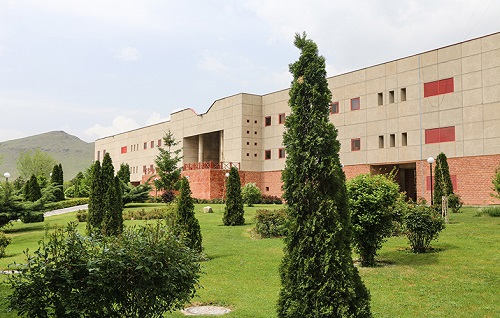
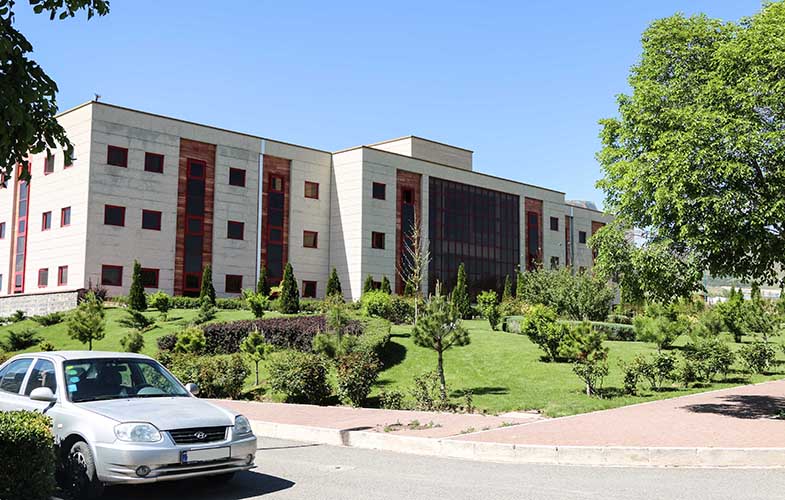
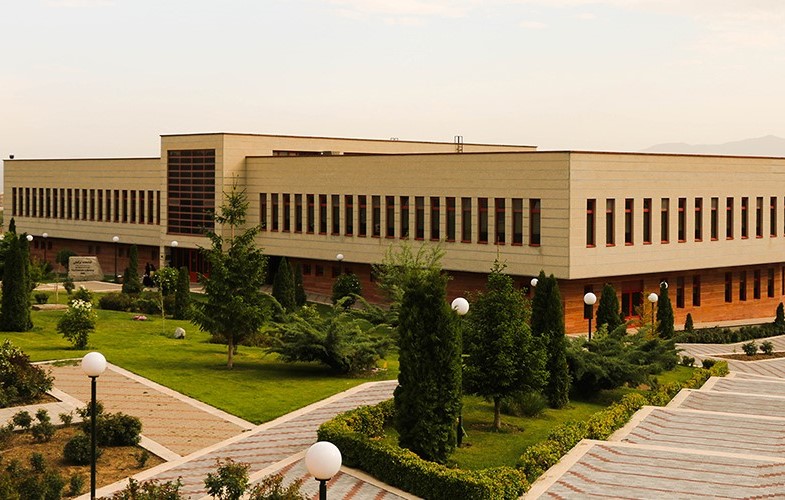
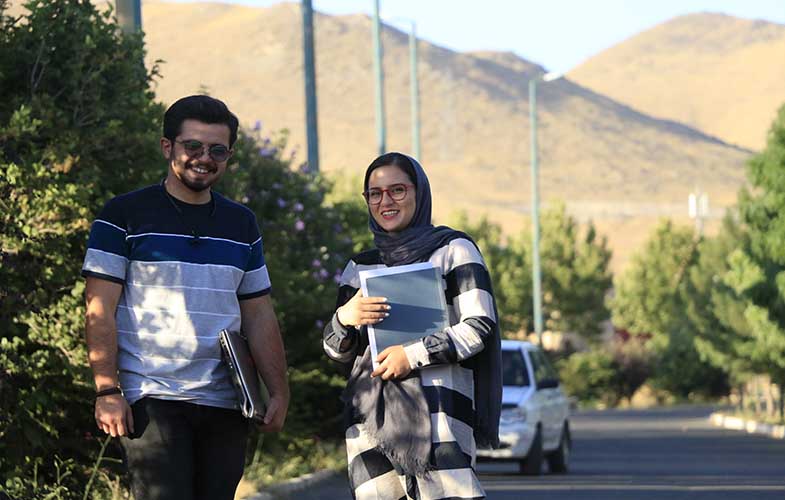
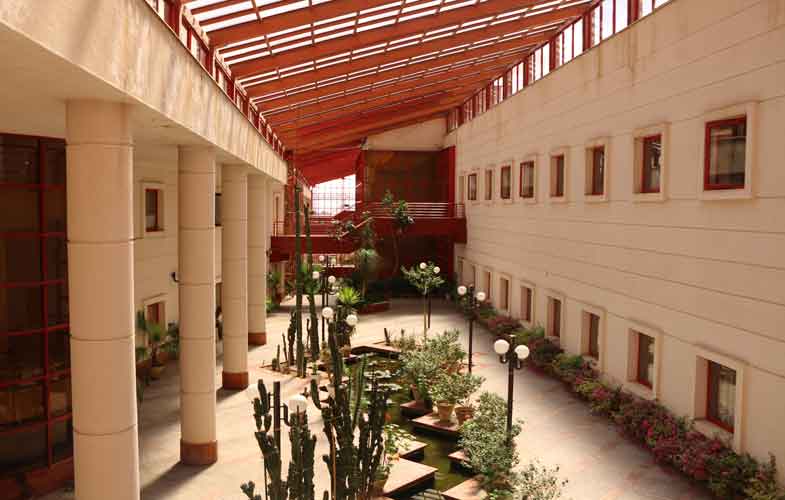
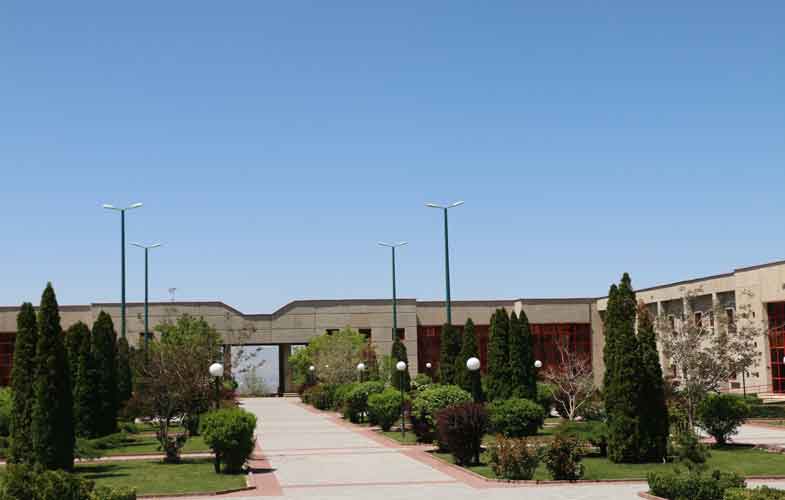
The Institute for Advanced Studies in Basic Sciences (IASBS) has shown a different side of university life by opening its doors to the city and welcoming more than 15,000 Zanjan residents, families, school pupils, university students, and science enthusiasts. The event took place on Thursday evening, 29 October 2026. Held under the slogan ‘Science, a light for everyone’, with support from the Iranian National Science Foundation, the national ‘Science Night’ event ran from 16:00 until midnight, providing a wide-ranging setting for science and society to meet and engage in dialogue, explore research achievements, and experience scientific, cultural, and educational activities.
For one evening, the university became more than a venue for scientific programmes. Its various spaces were transformed into a lively, interactive environment where visitors could speak directly with researchers, explore scientific phenomena and technologies, take part in workshops, ask questions, and experience university life in a different way.
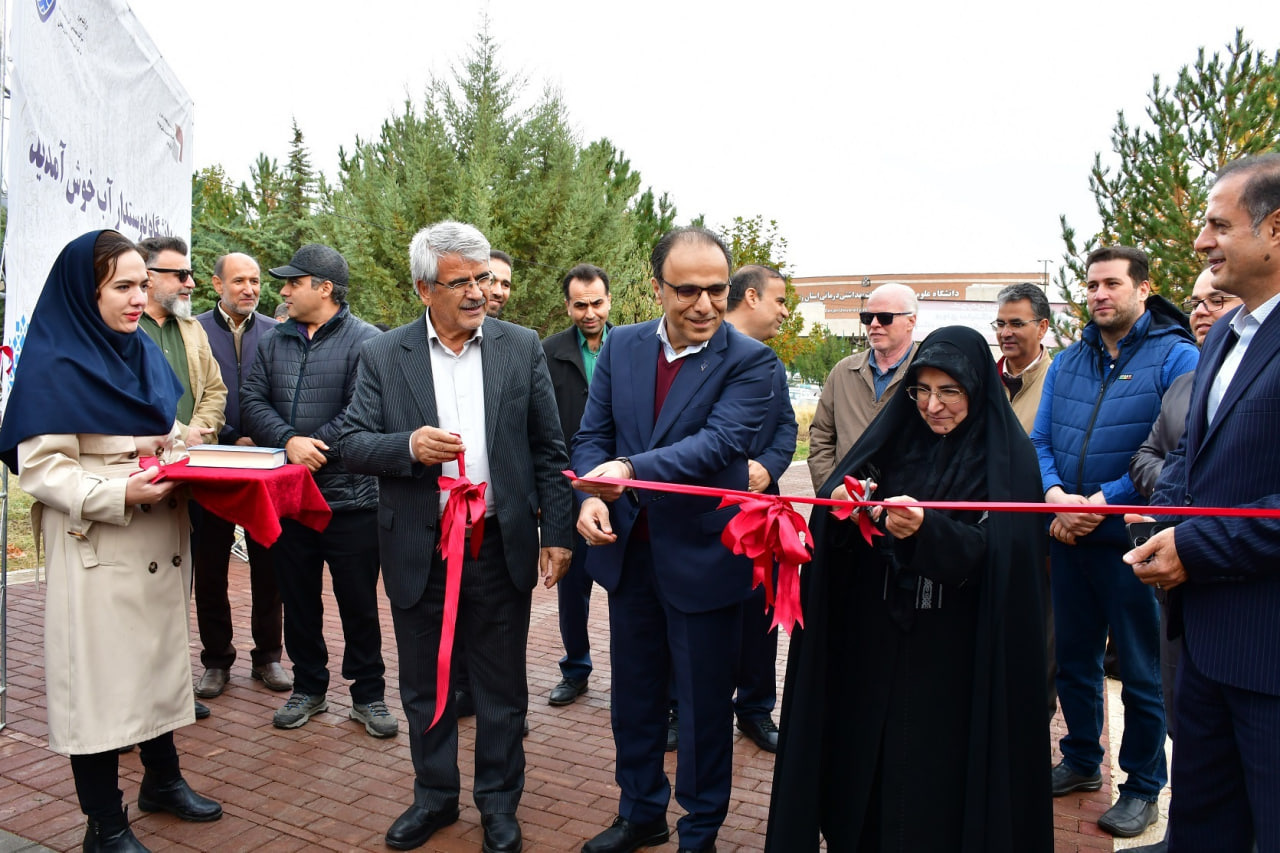
Opening ceremony highlights links between science, universities, and society
The opening ceremony brought together national and provincial officials, members of the academic community, and interested visitors. Speaking at the ceremony, the IASBS President, Prof Sadollah Nasiri Gheydari, highlighted the role of science and universities in national development and the need for closer links between universities and society. He described the university as an institution open to the public, whose mission should be to serve society and respond to its needs and questions.
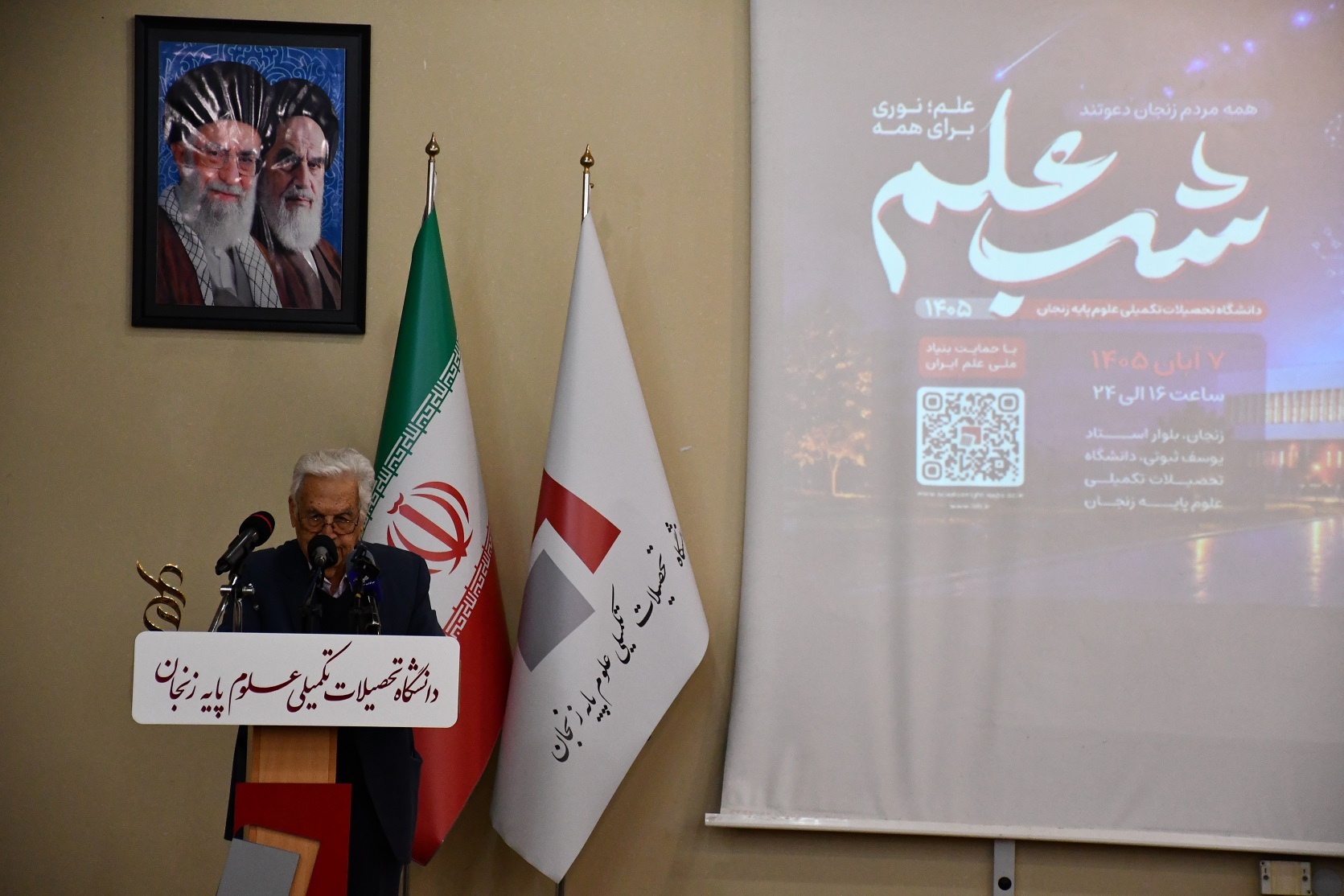
The university’s founder, Prof Yousef Sobouti, reviewed Iran’s historical experience of science and technology, emphasising the importance of a deep understanding of science and the development of scientific capacity within society. The President of the Iranian National Science Foundation, Dr Mohammadreza Hormozi-Nezhad, described Science Night as an opportunity to open a dialogue between universities and the public and help society understand its own role in scientific progress. The President of Zanjan Chamber of Commerce also spoke about the need to strengthen links between universities and industry.
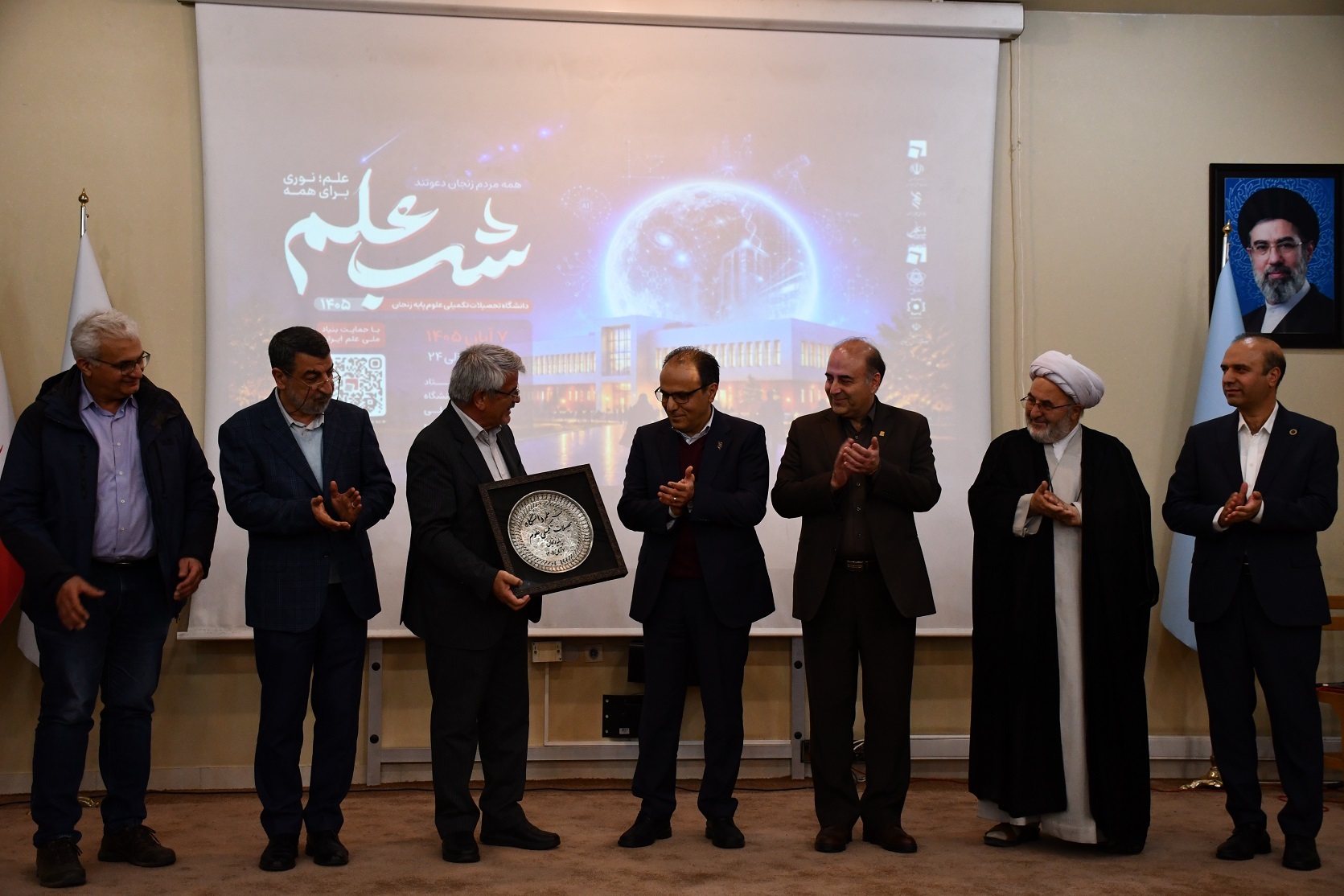
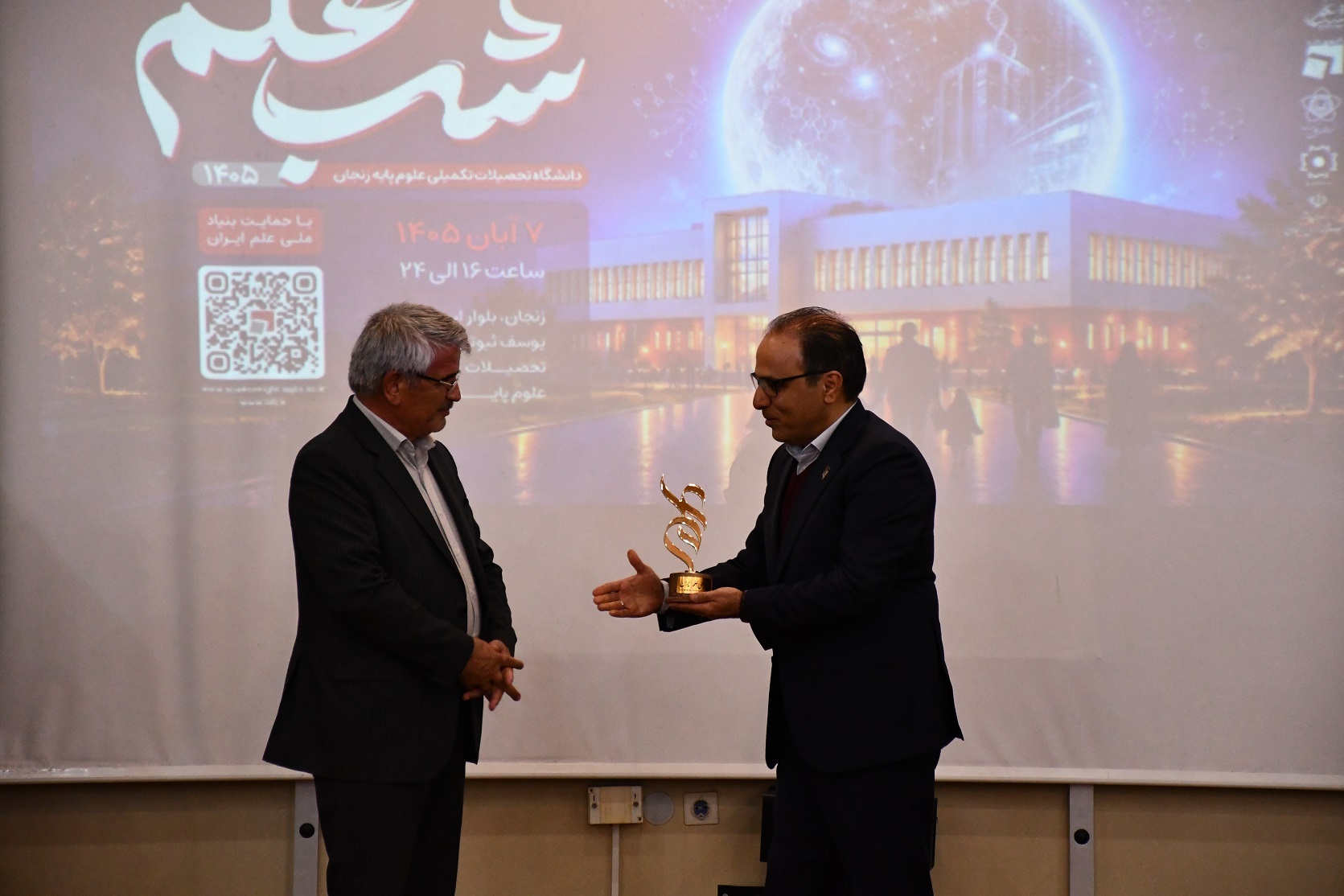
During the opening ceremony, the Iranian National Science Foundation’s Golden Science Statuette was presented to the IASBS President, Prof Sadollah Nasiri Gheydari, in recognition of his services and efforts to develop and promote science. The ceremony was broadcast live on Eshragh, the provincial television channel of IRIB Zanjan, and media coverage continued throughout the event.
85 stands showcase science, research, and technology
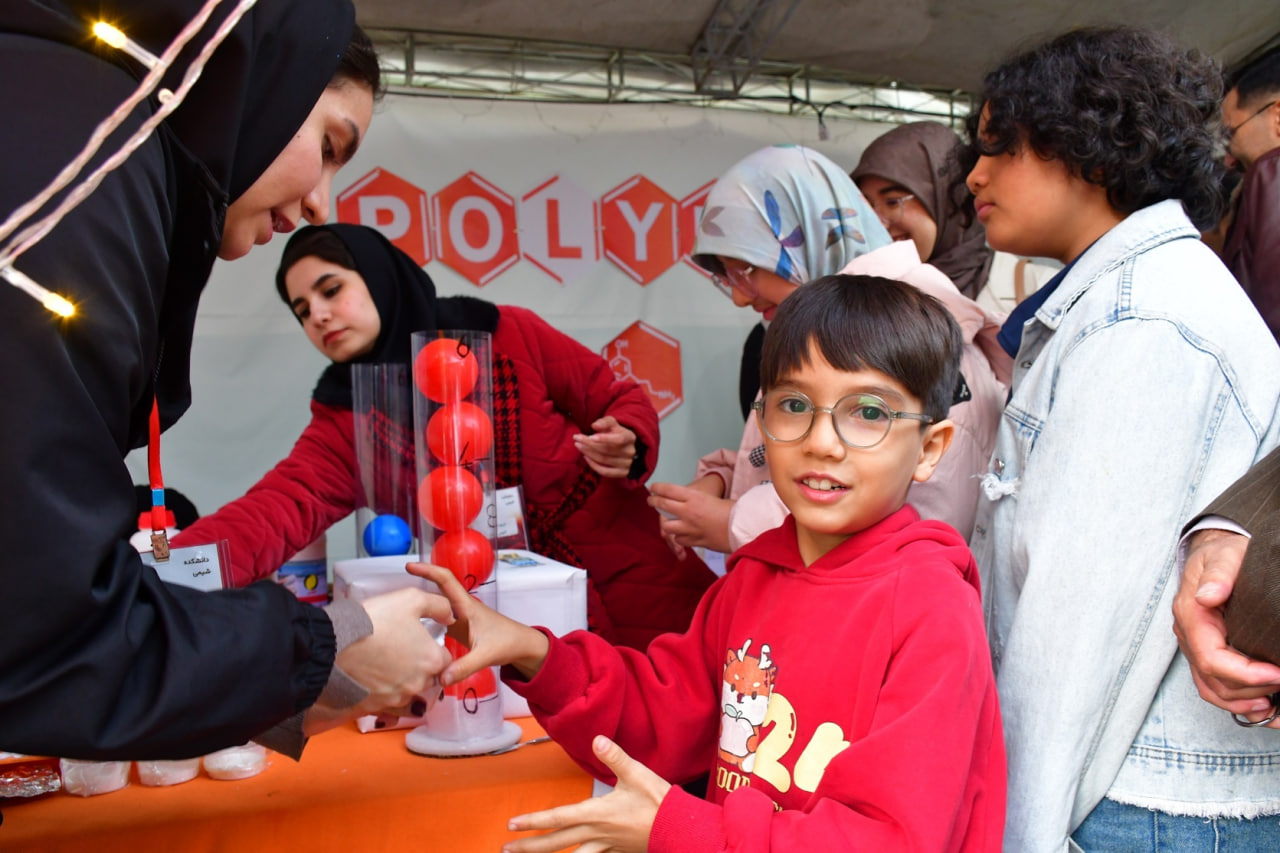
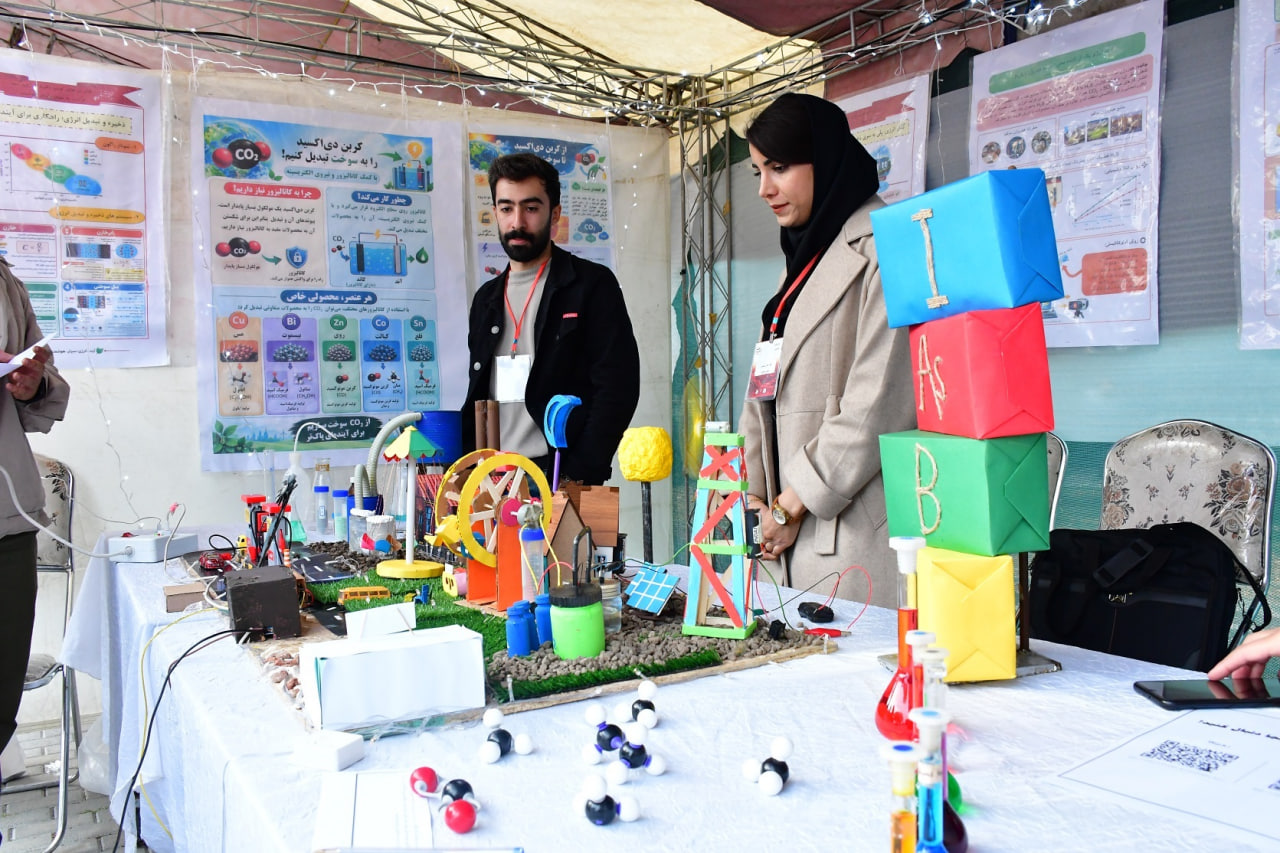
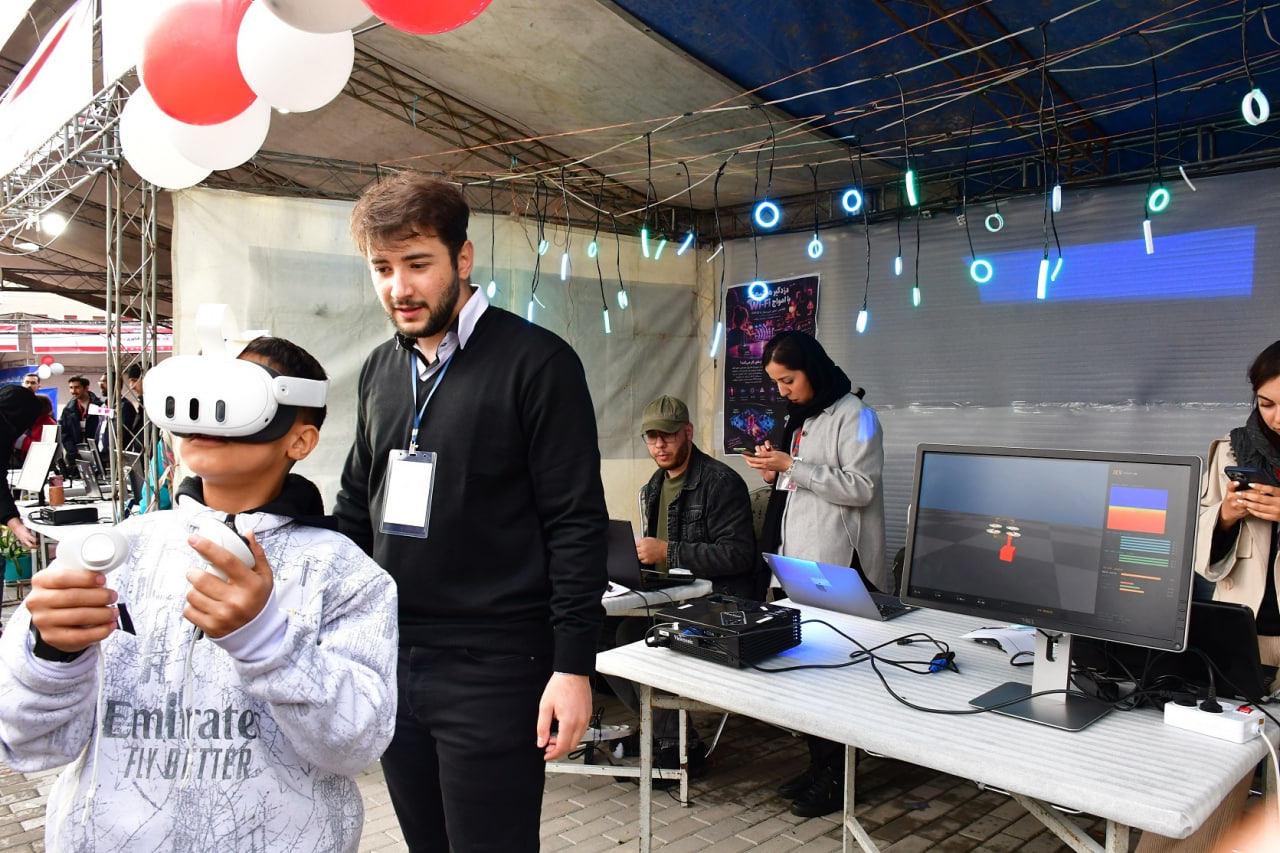
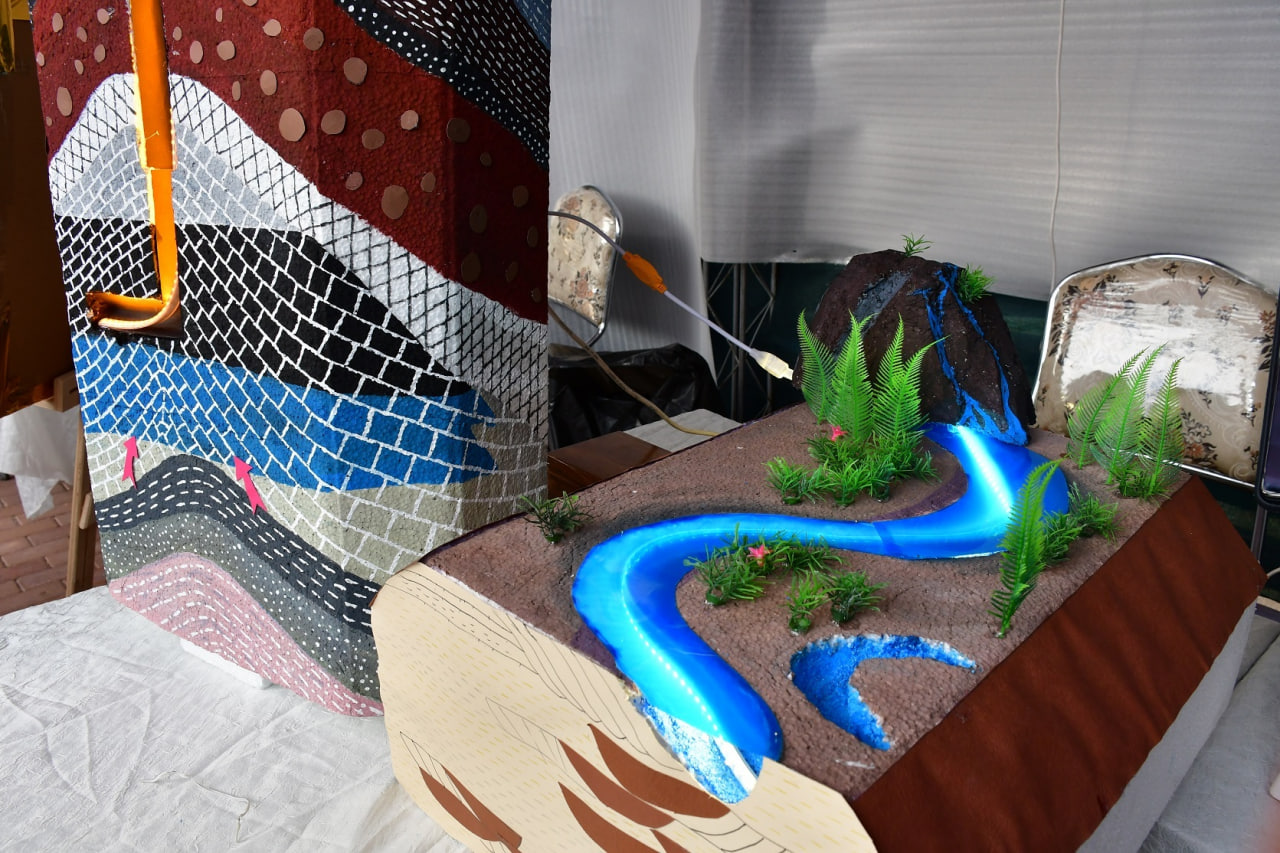
One of the main attractions of Science Night was an extensive exhibition involving the university’s Departments, research centres, companies, and public agencies. A total of 85 exhibition stands were set up across the university and associated spaces.
All six Departments took part, presenting their findings, activities, and scientific capabilities to the public. The Department of Physics had 15 stands and the Department of Chemistry 13, the largest numbers among the Departments. The Departments of Earth Sciences, Mathematics, Biological Sciences, and Computer Science and Information Technology also formed a substantial part of the exhibition, alongside the university’s Science and Technology Park, the Shahid Shahriari Research Institute, and the Torkaman Library.
External companies and organisations also participated actively. These included Zanjan Province Water and Wastewater Company, Pars Switch, Zanjan University of Medical Sciences and Health Services, the emergency medical services, the provincial Directorate-General of Education, the Young Thinkers and Scientists Festival, and Farhangan Libraries. Dedicated programmes and spaces were also provided by the children and young people’s sections, sport and health, healthy food, the Office of Cultural and Student Affairs, and the university’s Science House.
This breadth allowed visitors to explore a wide range of subjects, from fundamental scientific concepts and the wonders of nature to applications of science in health, the environment, water management, technology, and everyday life. The stands sought to move beyond purely technical explanations, making science accessible through demonstrations, experiments, discussion, and participatory activities.
14 scientific workshops, from quantum mechanics to artificial intelligence and health
Alongside the exhibition, 14 scientific and educational workshops were held on 28 and 29 October. They catered for a wide range of audiences, from the general public and school pupils to university students, researchers, and those with specialist interests.
The workshops covered diverse subjects, from an introduction to One Thousand and One Nights and ‘Why quantum mechanics?’, presented by the university’s founder, Prof Yousef Sobouti, to chemistry for healthy living, smart sensor technology for monitoring and managing diabetes, the Iranian National Observatory and its site selection, monitoring and assessing land subsidence, and computational molecular simulation. Other topics included lifestyle education and cancer prevention, early detection of common cancers in women, artificial intelligence in drug design, automated human personality recognition using artificial intelligence, the physics of the universe in simple terms, and mathematical genealogy. An interactive ‘Physics chat’ session with faculty members from the Department of Physics also gave enthusiasts an opportunity to speak directly with university lecturers.
Seven interactive talks explain advanced research in accessible terms
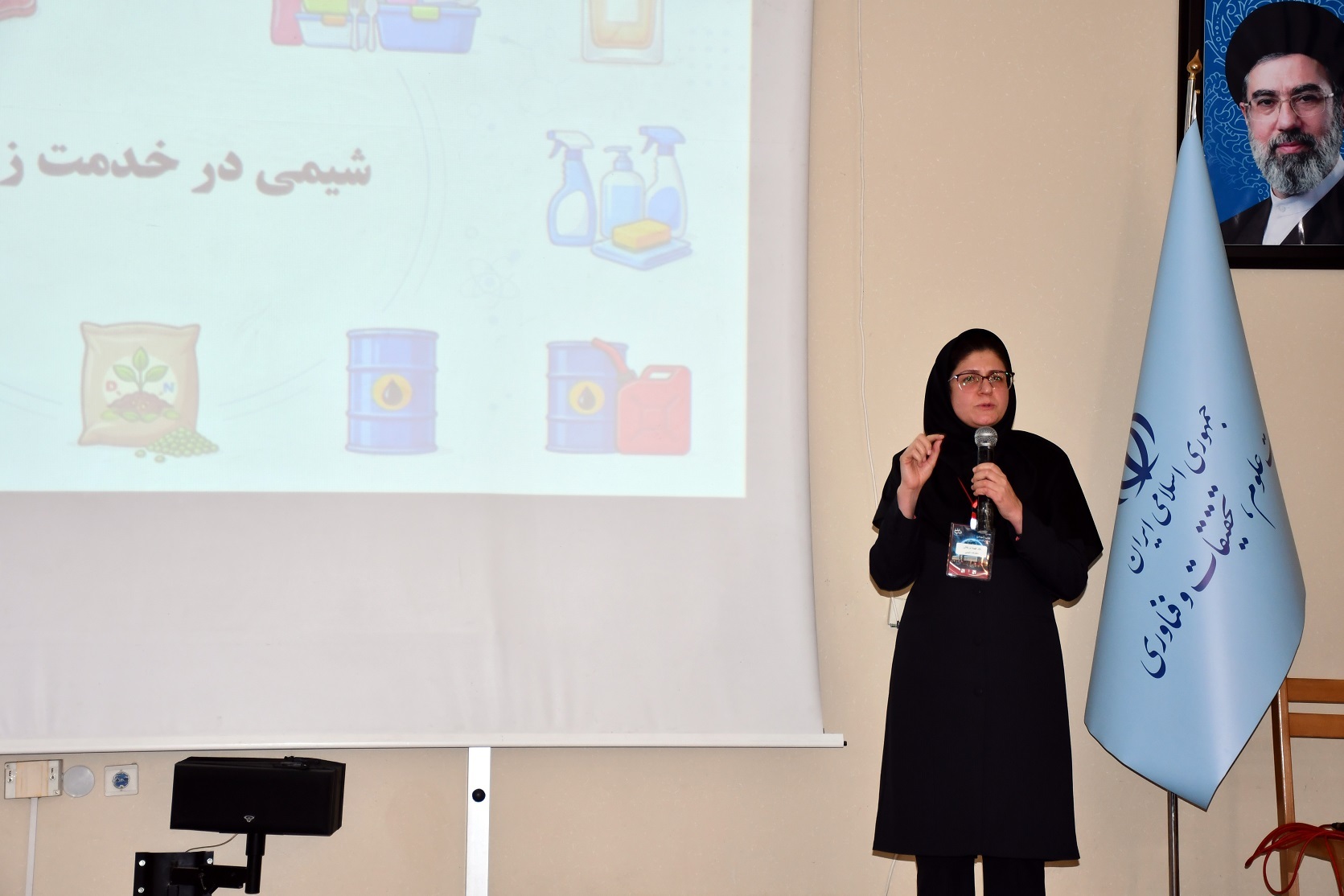
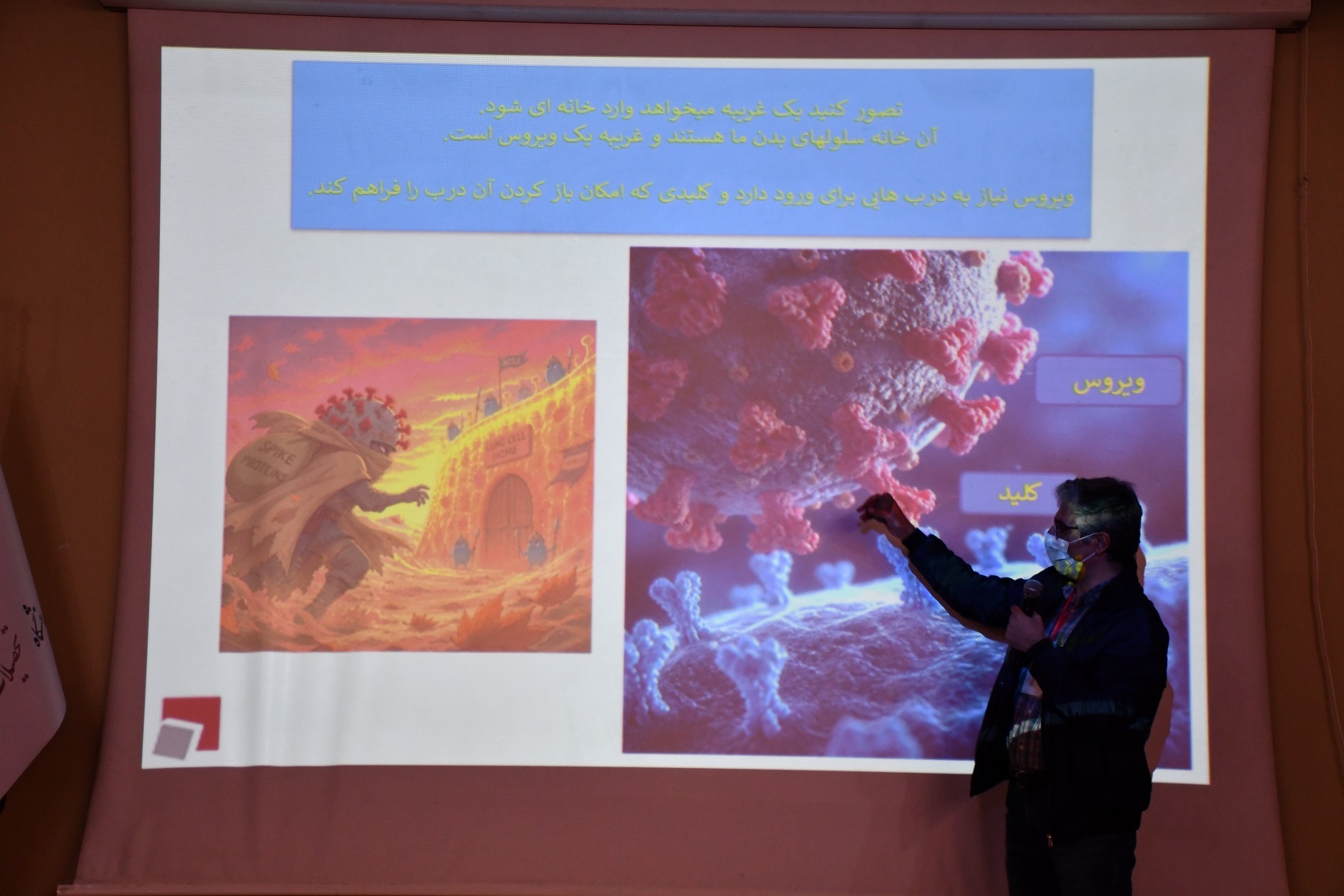
Another part of the scientific programme comprised seven interactive, ten-minute talks held in the Chemistry Amphitheatre on the afternoon of 29 October. Researchers sought to introduce specialist subjects and scientific achievements through short presentations accessible to a general audience.
Topics ranged from three-dimensional imaging of cells using light and the use of physics tools to study and move cells to methods for predicting the emergence and severity of viral disease epidemics. Other presentations explored converting factory exhaust gases into valuable materials and products using electricity and catalysts, the role of mathematics in cryptography and information security, reviving Iran’s historical knowledge of water management, and designing an intelligent system to assess drug interactions and predict side effects.
The talks were delivered by the researchers, Dr Dariush Abdollahpour, Dr Faegheh Hajizadeh, Dr Hamid Hadi Alijanvand, Dr Fahimeh Varmaghani, Dr Ali Taherkhani, Dr Massoud Saatsaz, and Dr Parvin Razzaghi. The variety of subjects demonstrated how basic science and interdisciplinary research can connect with tangible everyday issues, from health and the environment to technology and information security.
Children and young people move from watching science to asking questions
Activities for children and young people formed an important part of Science Night. These programmes were designed to offer an active, engaging experience of science, allowing younger visitors to explore the university and its scientific activities alongside their families.
As part of this programme, the school pupils’ competition ‘My city: a laboratory for science and ideas’ encouraged pupils to observe problems in their surroundings, ask questions, and propose creative ideas. Three winning projects were selected from 84 entries: ‘The pavements are for us, so why can’t we use them?’ by the school pupil, Liana Saadati; a study of packaging waste in Zanjan’s Etemadiyeh neighbourhood, with proposals for reducing urban waste, by the school pupil, Seyyed Radin Fathi; and ‘Smart bus-finder system’ by the school pupil, Ali Nouri.
The winners were announced and honoured at a programme beside the Department of Physics fountain, attended by the pupils and their families. Their prizes, comprising certificates of appreciation, Science House gold cards, and gift cards worth five million tomans each, are to be presented at a separate ceremony.
Science alongside culture and the arts
Science Night also provided an opportunity to connect science with other aspects of social and cultural life. Sport and health activities, special programmes for children and young people, and healthy food stands complemented the scientific exhibition, adding variety to visitors’ experiences.
One of the popular attractions was an orchestral performance of fine music beside the Department of Physics fountain. Attended by a large gathering of residents and families, it brought a distinctive atmosphere to the event’s cultural and artistic programme. The winners of the ‘My city’ competition were also introduced in this setting, demonstrating the coming together of science, creativity, and art.
A collective experience supported by provincial organisations
An event of this scale depended on cooperation between numerous institutions, organisations, and operational teams. The Iranian National Science Foundation, as the event’s principal supporter, Zanjan Governor-General’s Office, Zanjan Municipality and Islamic City Council, IRIB Zanjan, the provincial police command and traffic police, the University of Medical Sciences, companies and service providers, and other participating organisations all helped make the programmes possible.
The municipality’s work to prepare the surrounding spaces and car parks and provide some of the equipment and municipal services, together with IRIB Zanjan’s publicity and media coverage, played an important role in delivering the event and connecting it with residents. University lecturers, staff, students, and members of the university’s organising committee also worked together to welcome and guide visitors.
Despite intermittent rain during part of the event, Science Night continued without major disruption, and large numbers of visitors remained until late in the evening.
A university open to society
What took place at the IASBS went beyond a series of exhibitions, workshops, and cultural programmes. The presence of more than 15,000 people on campus provided a rare opportunity for society to engage directly with university lecturers, researchers, students, and scientific achievements. The university became not a remote institution, but part of the life of the city and its people.
Science Night showed that promoting science is not simply a matter of conveying information in one direction, but also requires opportunities to ask questions, listen, experiment, and engage in dialogue. The event also demonstrated the capacity of the university, public agencies, the media, and residents to work together to create a large-scale scientific and social programme.
Science Night has ended, but the dialogue between science and society should not be confined to a single evening.
Science Night: science, a light for everyone
Mon, 02 Nov 2026
Developed by the IASBS Computer Centre
IP Address:[216.73.217.122] Browser: Mozilla/5.0 AppleWebKit/537.36 (KHTML, like Gecko; compatible; ClaudeBot/1.0; +claudebot@anthropic.com)