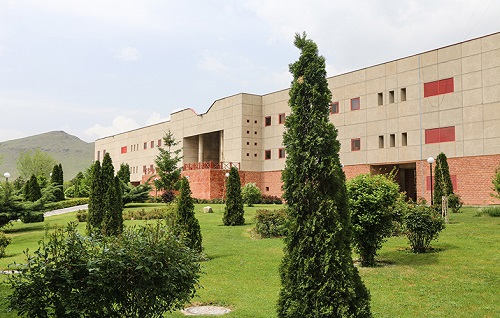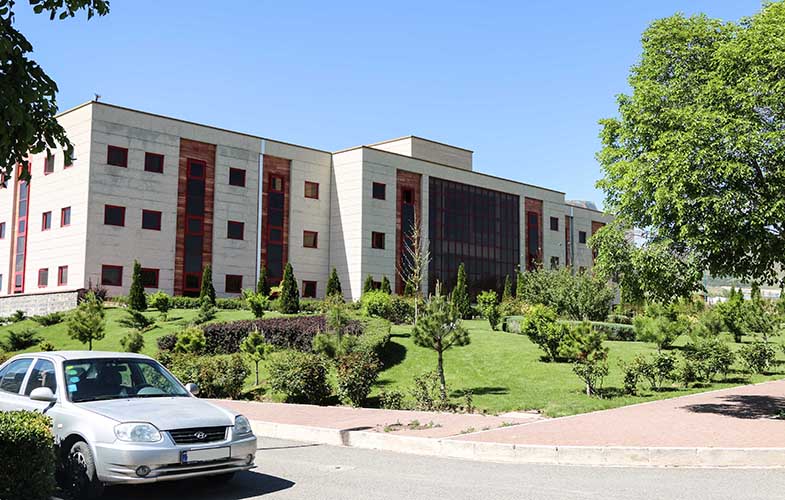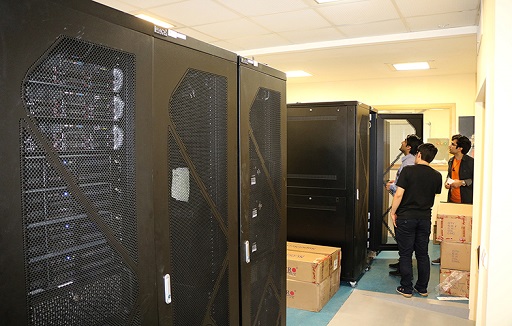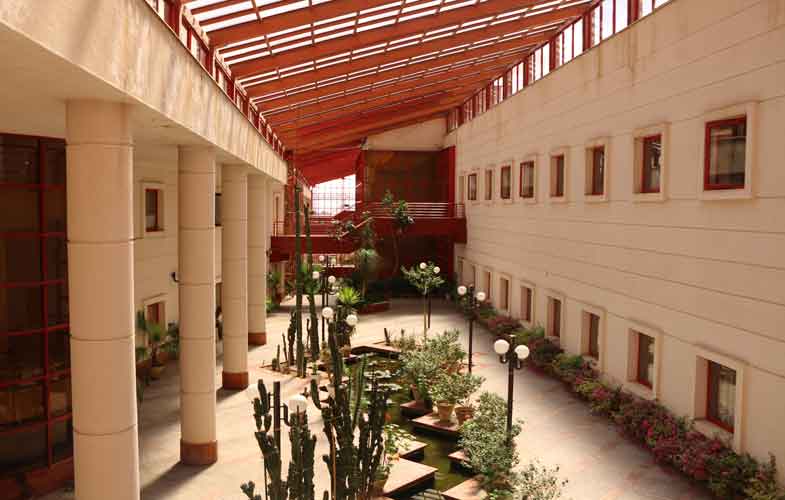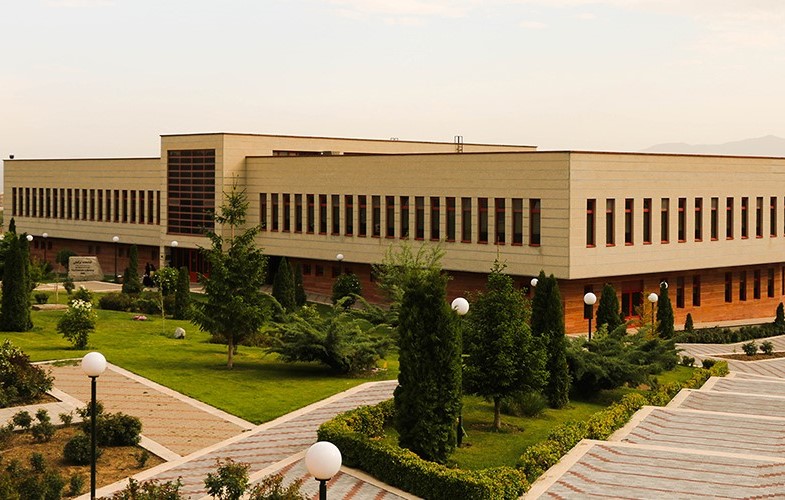
Torkaman Library was established in 1993. It contains a useful combination of specialized and general books, bilingual dictionaries, and specialized and general encyclopedias.
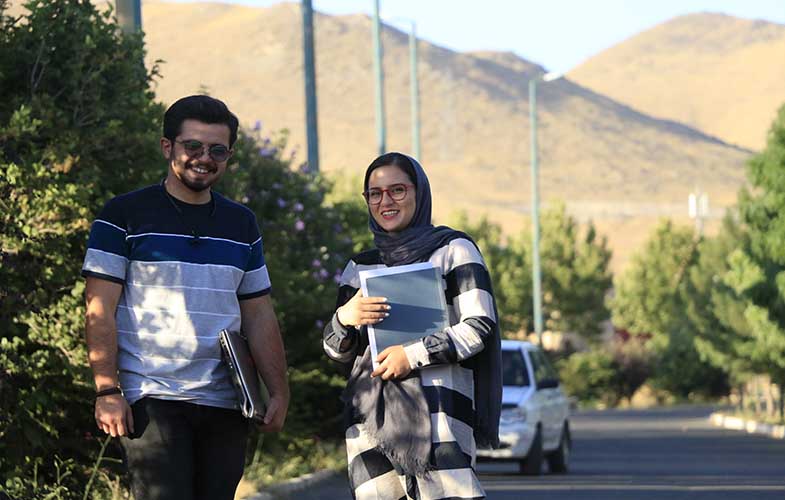
The Education Office comes under the Education and Research Department. Its main job is to manage the educational affairs of the students from registration to graduation.
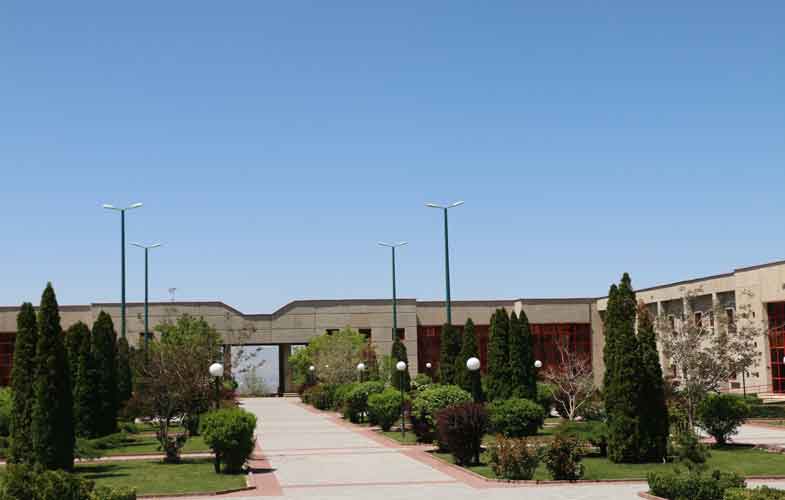
Institute for Advanced Studies in Basic Sciences (IASBS)
444 Prof. Yousef Sobouti Blvd.,
Zanjan 45137-66731, Iran
Postal Code 45137-66731
F: +98 24 3315 5142
T: +98 24 3315 1000
Feild Of The University President
T: +98 24 3315 3888
E: publicrelations[at]iasbs.ac.ir
E: international[at]iasbs.ac.ir
Room: Mathematics Department,Department Of Administrative Affairs
T: +98 24 3315 5158
Institute for Advanced Studies in Basic Sciences (IASBS)
444 Prof. Yousef Sobouti Blvd.,
Zanjan 45137-66731, Iran
Postal Code 45137-66731
F: +98 24 3315 5142
T: +98 24 3315 1000
Room: 160 Physics Dept.
T: +98 24 3315 3888
E: publicrelations[at]iasbs.ac.ir
Room: 158 Mathematics Department
T: +98 24 3315 5158
E: iasbs_z[at]iasbs.ac.ir
Researchers from the Department of Chemistry at the Institute for Advanced Studies in Basic Sciences (IASBS), Dr Mohammad Gholinejad, Ms Fatemeh Alouian, and Ms Setareh Jafarpour, have published a review article titled “Catalytic Applications of Nano-Prisms in an Aqueous Media” in the journal Current Opinion in Green and Sustainable Chemistry. The article was published as part of the special issue, Green methods in chemistry in water, in 2026 (Volume 59, 101067).
This review was invited and edited by Professor Bruce H. Lipshutz (University of California, USA), Professor Shu Kobayashi (University of Tokyo, Japan), and Professor Thomas R. Ward (University of Basel, Switzerland). The study explores the potential of nano-prisms as efficient catalysts in water-based systems for green and sustainable chemistry.
The review highlights the applications of nano-prisms in the synthesis of valuable chemical compounds, the removal of organic dyes and phenolic pollutants from water, the degradation of contaminants such as bisphenol A, and advanced wastewater treatment technologies. The authors also discuss the use of bimetallic nano-prisms in various organic transformations, demonstrating the catalytic potential of nano-prisms in organic synthesis, reducing the consumption of hazardous chemicals, and supporting environmentally friendly technologies.
Mon, 27 Jul 2026

Developed by the IASBS Computer Centre
IP Address:[216.73.217.122] Browser: Mozilla/5.0 AppleWebKit/537.36 (KHTML, like Gecko; compatible; ClaudeBot/1.0; +claudebot@anthropic.com)